 Rooms & furniture
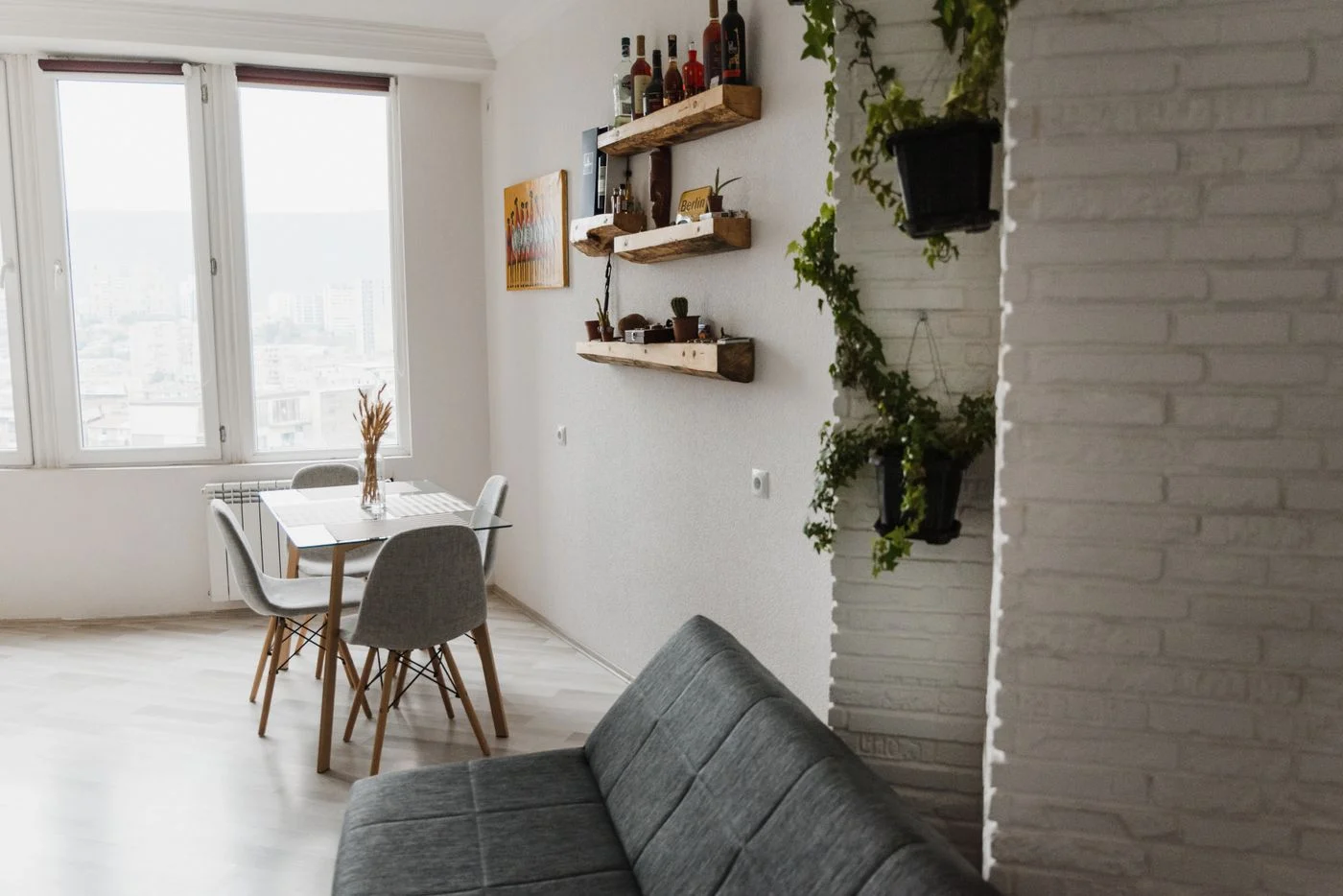
A sofa and dining table in one small room
Sitting, eating and moving through the room all need space. Plan these activities together before choosing two separate sets of furniture.
Read article ↗A journal for the home
Rooms & furnitureSitting, eating and moving through the room all need space. Plan these activities together before choosing two separate sets of furniture.
Read article ↗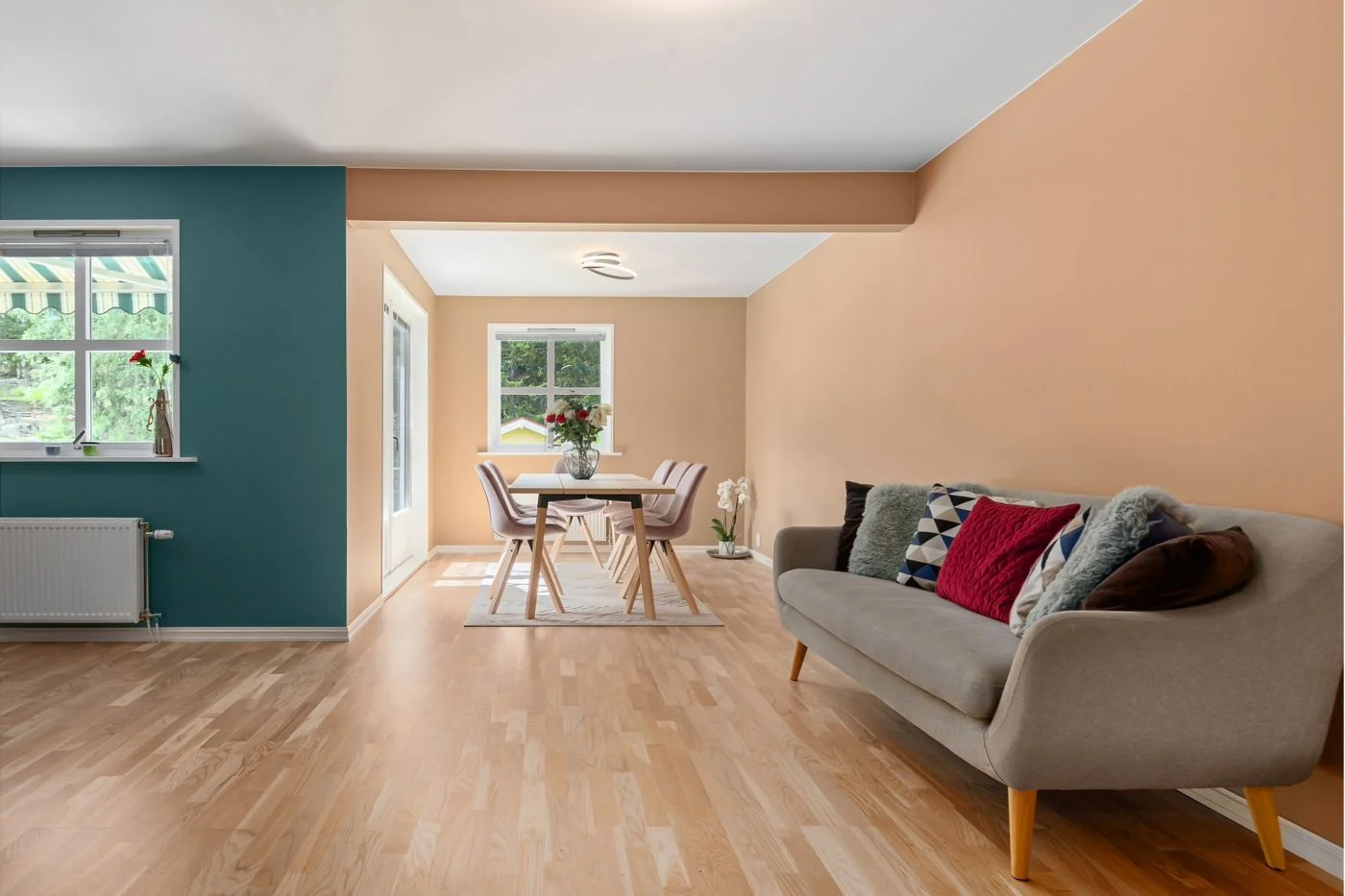 Rooms & furniture
A long room does not need a piece of furniture at every boundary. Start with the route between its doors.
Read article ↗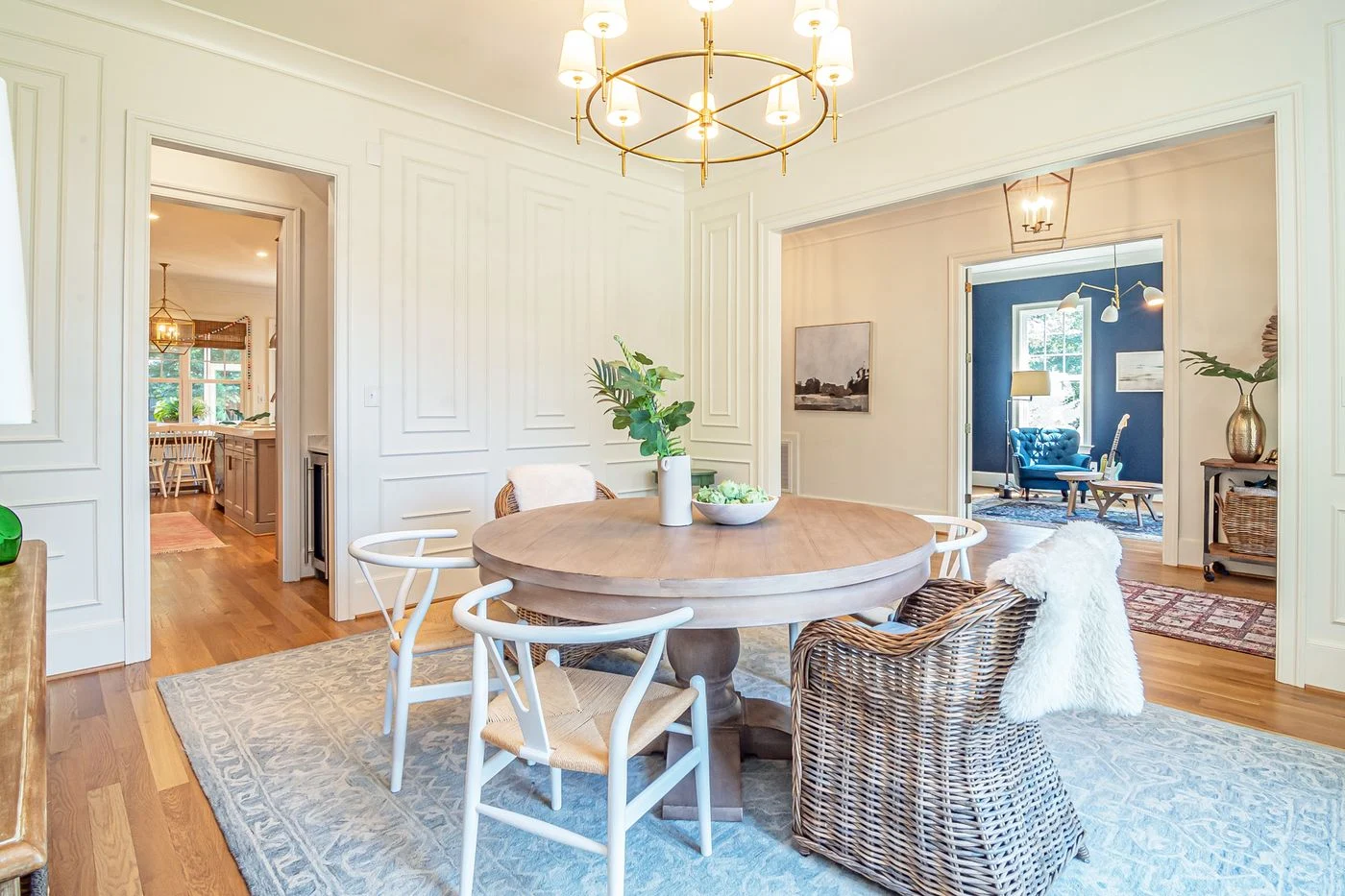 Rooms & furniture
Choose the table shape by looking at seats, the outline of the room and whether the table will stand freely or against a wall.
Read article ↗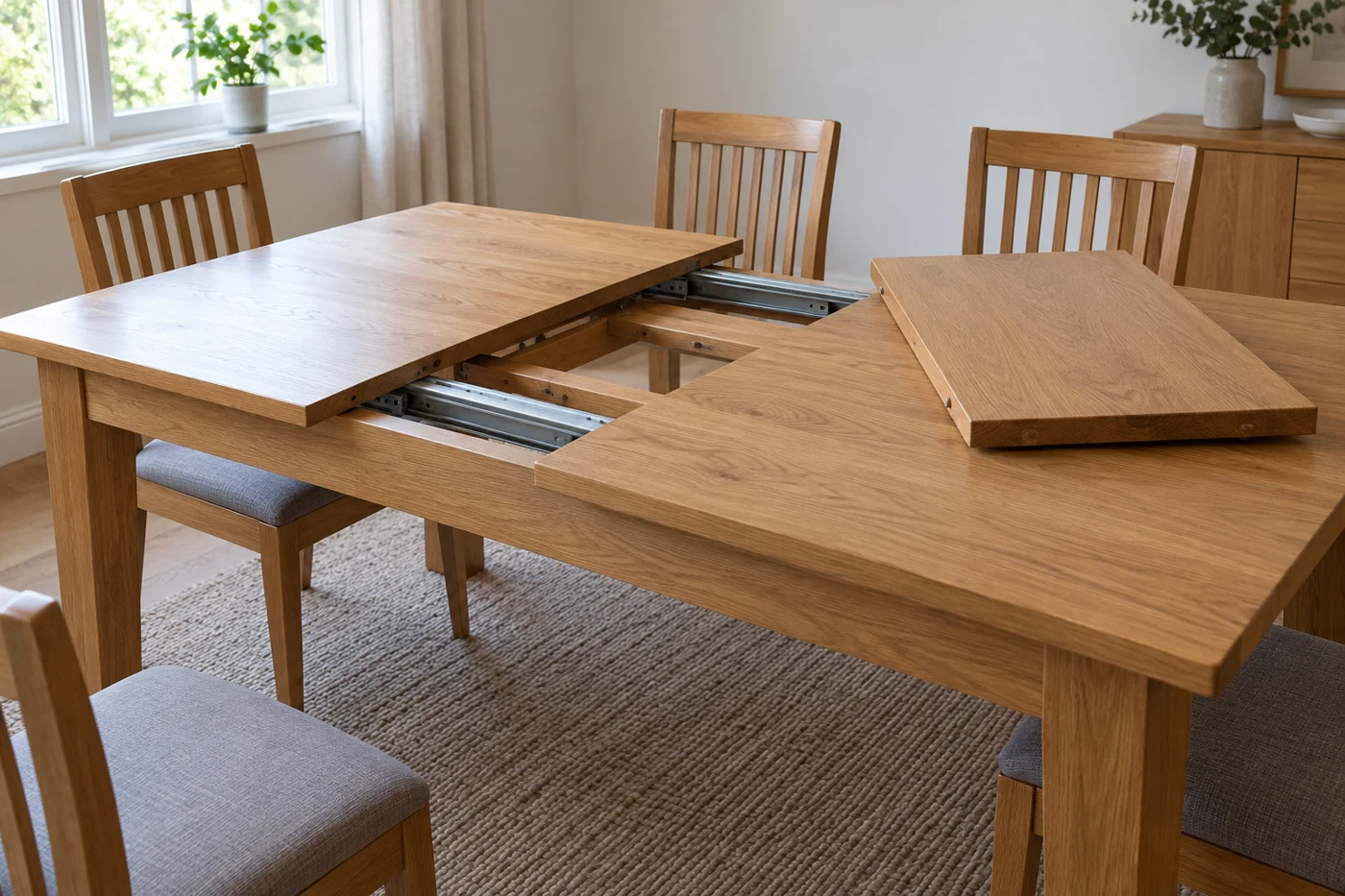 Rooms & furniture
An extending table needs more than room for a longer top. Include the leaves, spare chairs and the work of changing it over.
Read article ↗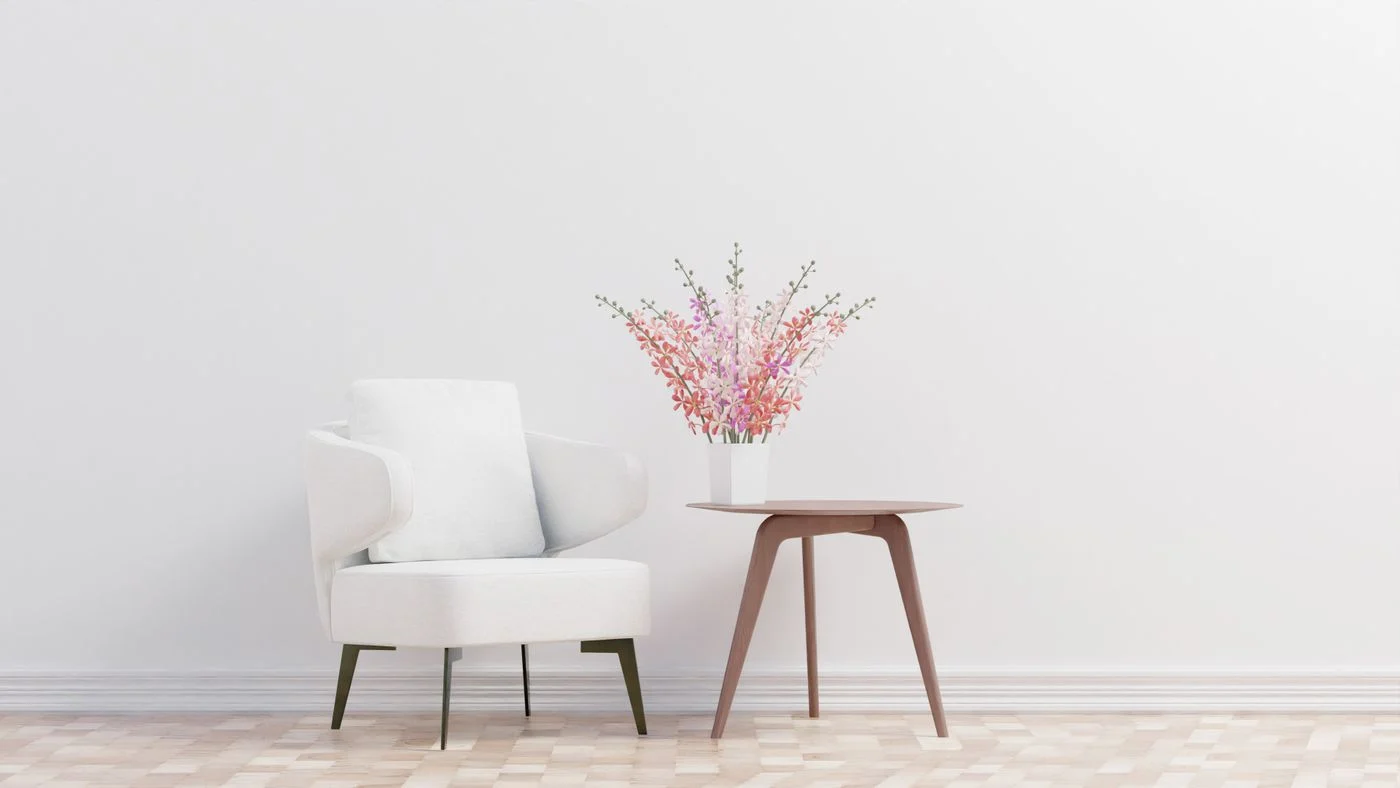 Rooms & furniture
An armchair can change a seating group without taking up the footprint of a second sofa. Consider its full use area, not just the width of the seat.
Read article ↗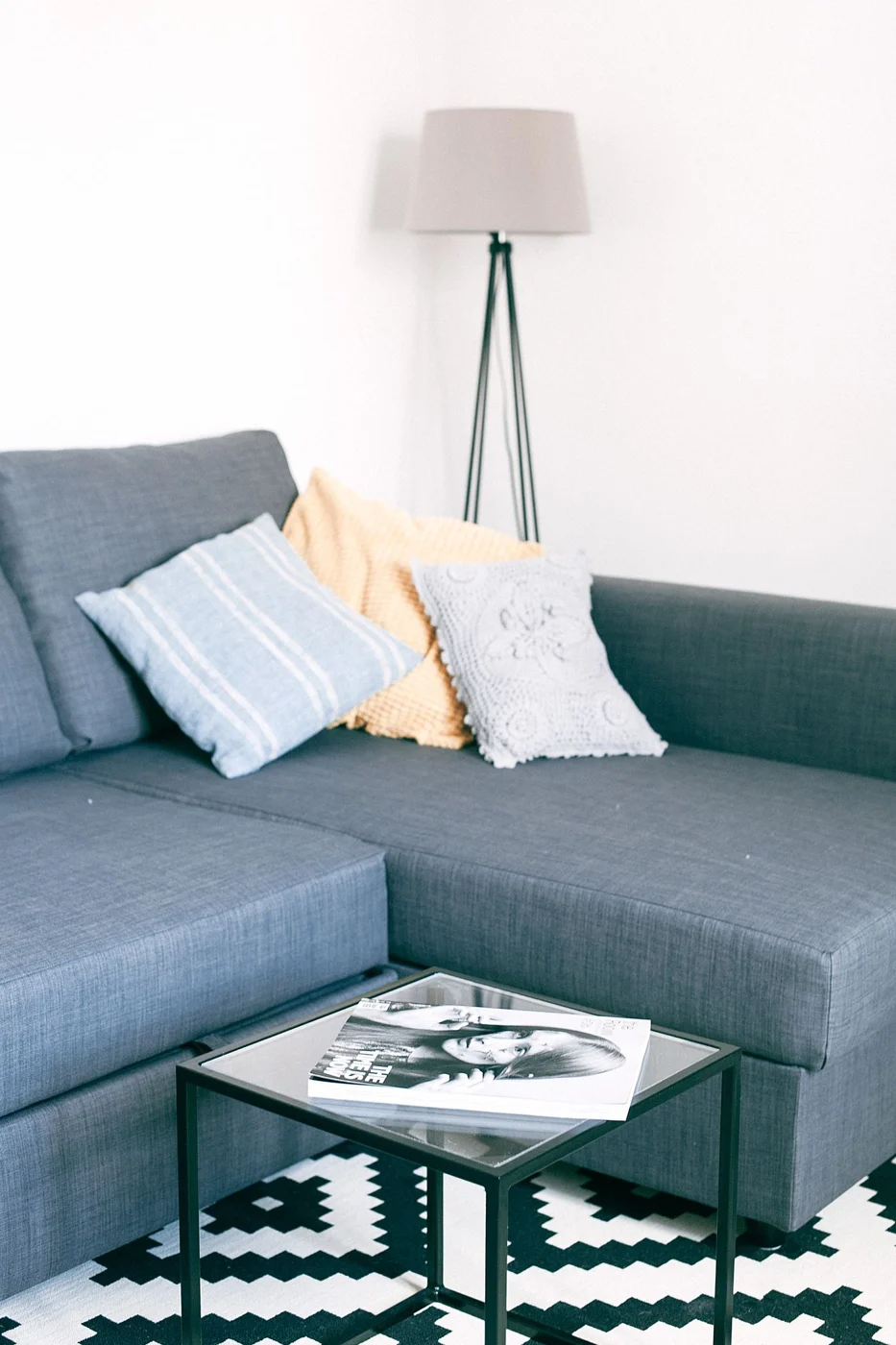 Rooms & furniture
The gap between a sofa and coffee table has to allow reaching, moving your legs and getting up. One standard measurement cannot answer all three needs.
Read article ↗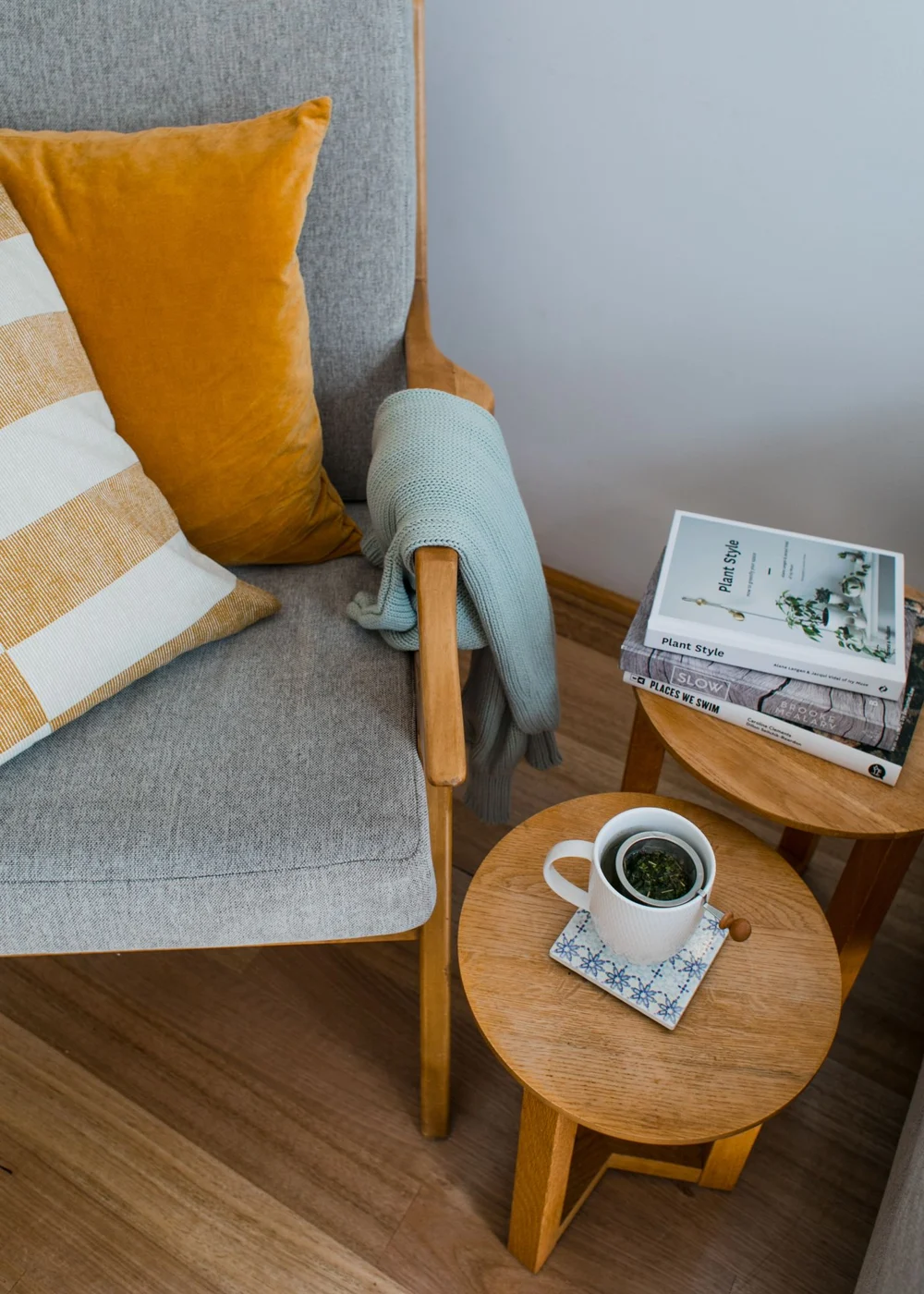 Rooms & furniture
A side table can move between reading, occasional meals and visitors. Its different jobs still have to suit the same construction.
Read article ↗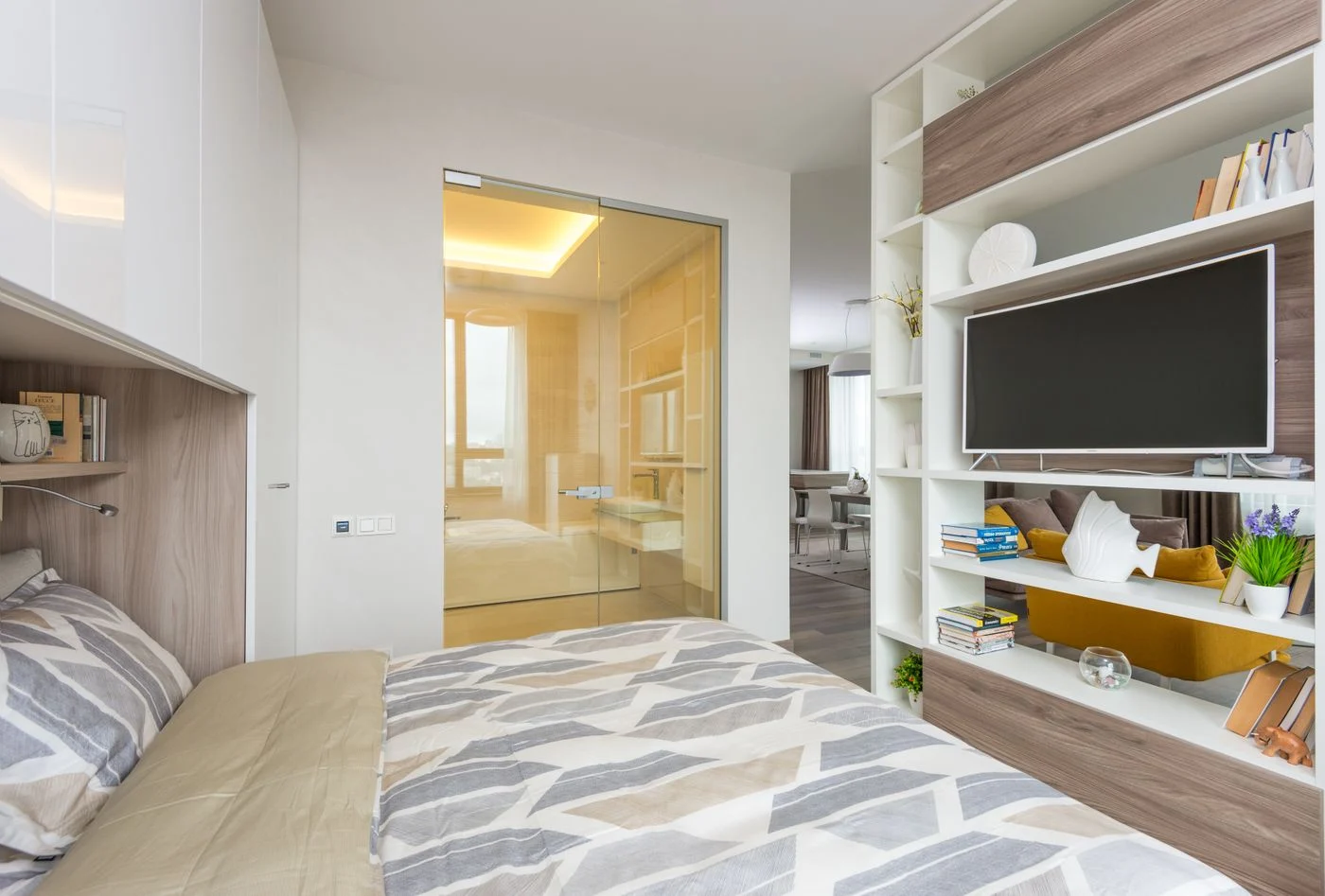 Rooms & furniture
An open shelving unit can divide a room while preserving views through it. The layout and the requirements for safe installation need to be considered together.
Read article ↗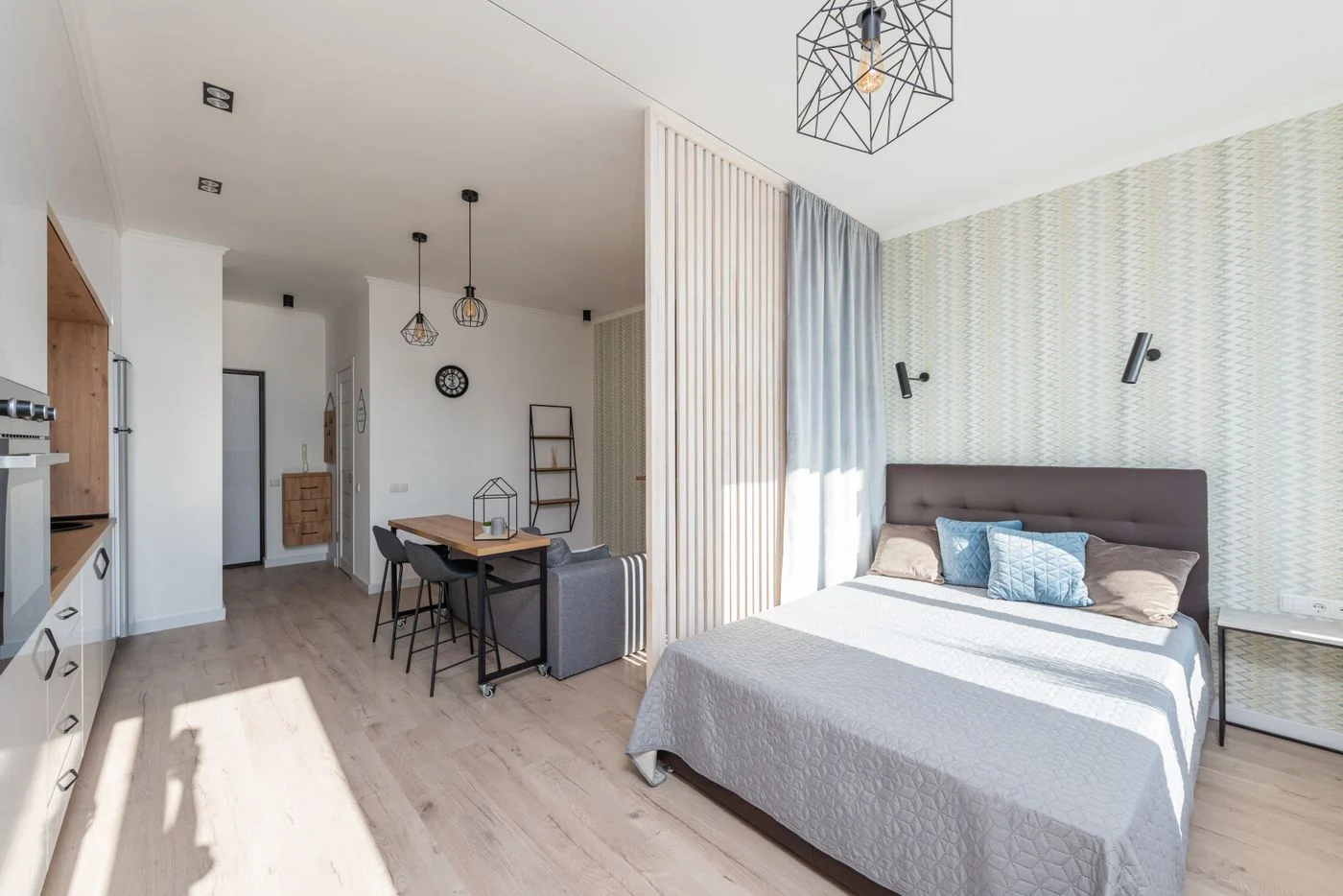 Rooms & furniture
In a studio, the bed is a large area used every day. Its position determines how the rest of the room works.
Read article ↗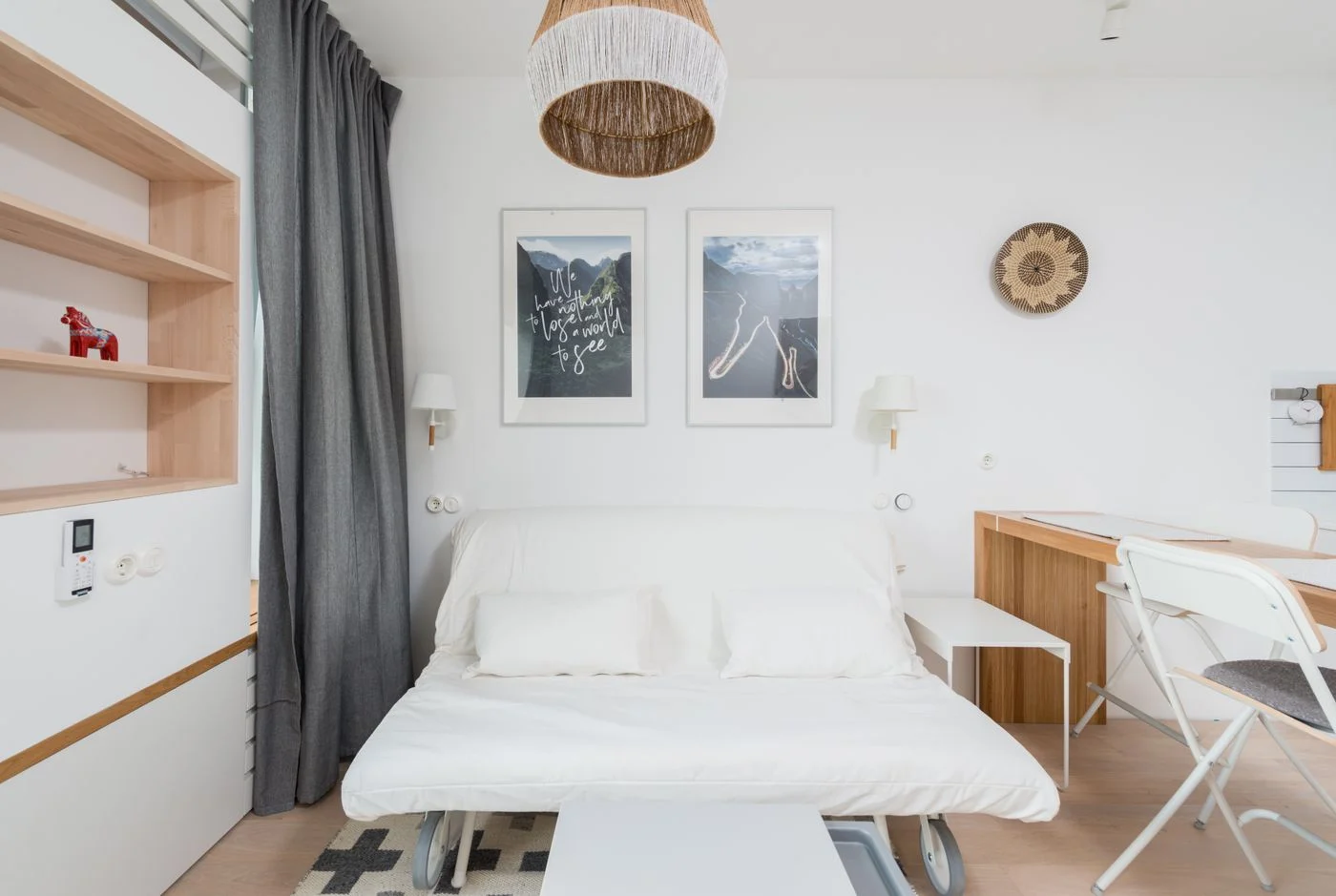 Rooms & furniture
For a sofa bed, delivery dimensions, seating dimensions, sleeping area and opening space are separate measurements. Put all four on the plan.
Read article ↗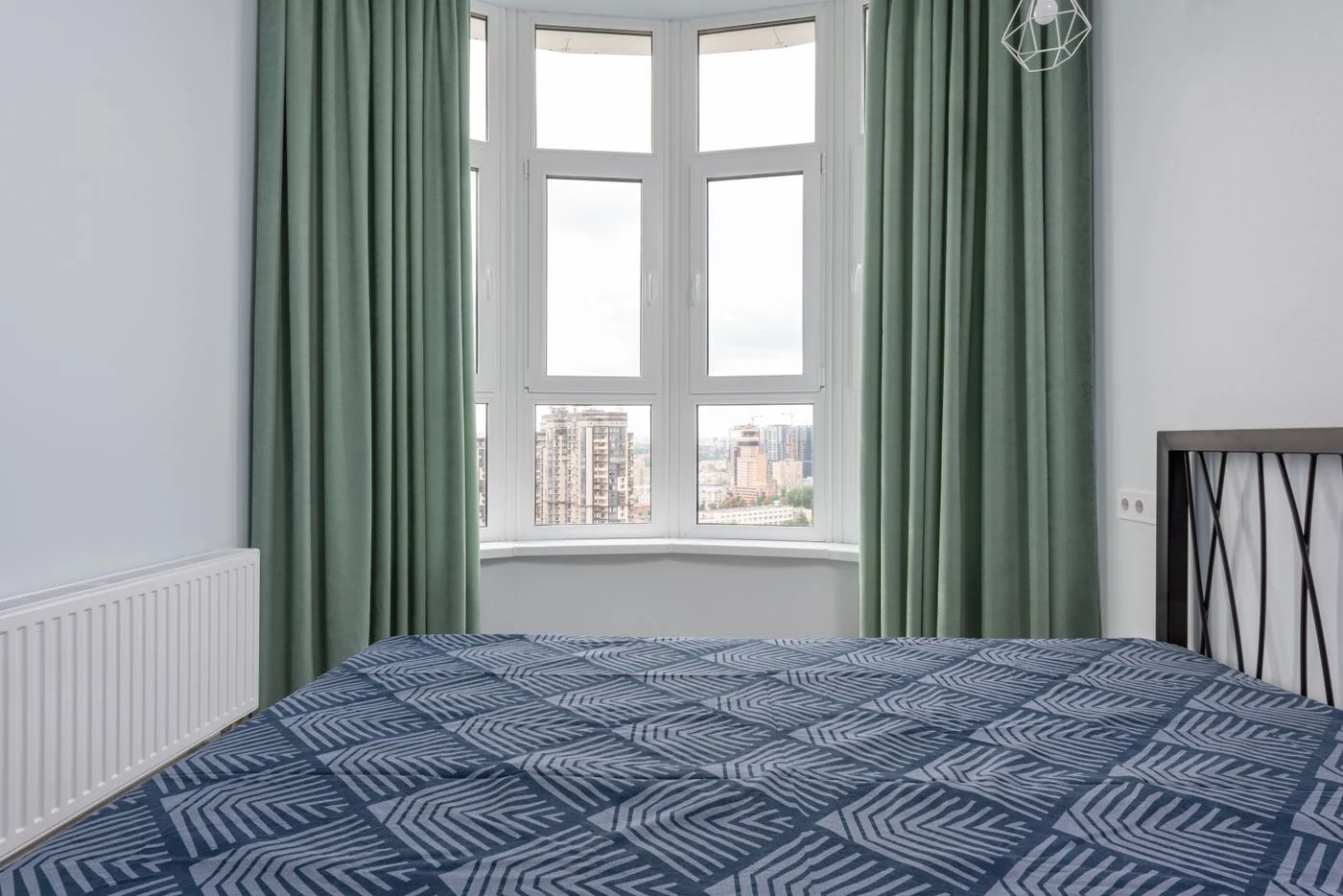 Rooms & furniture
For a double bed in a small bedroom, start the plan with the frame. Mattress width alone often understates the footprint.
Read article ↗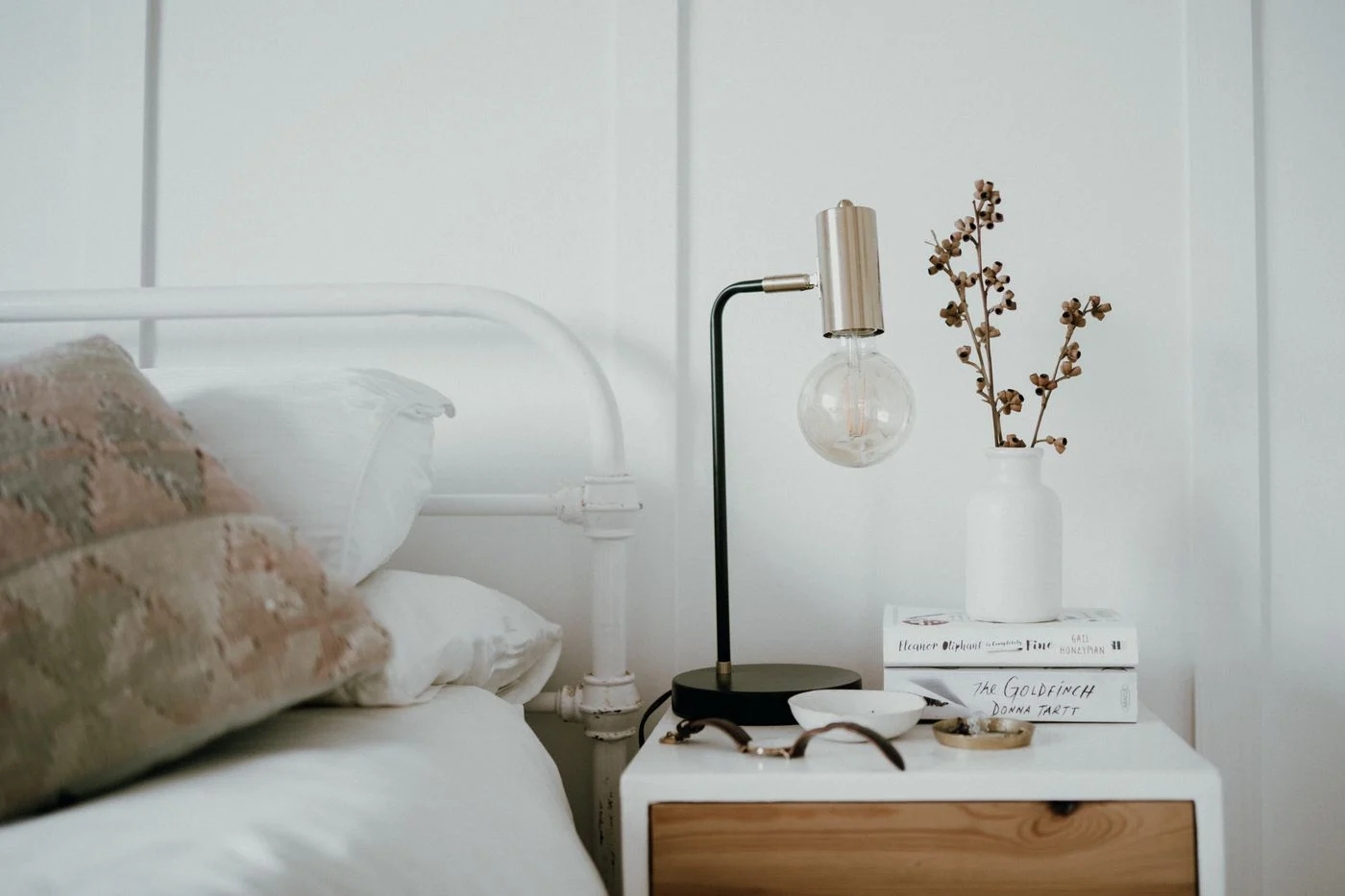 Rooms & furniture
A bedside surface need not be large, but it has to work from the bed. In a tight room, select the few things that genuinely belong there.
Read article ↗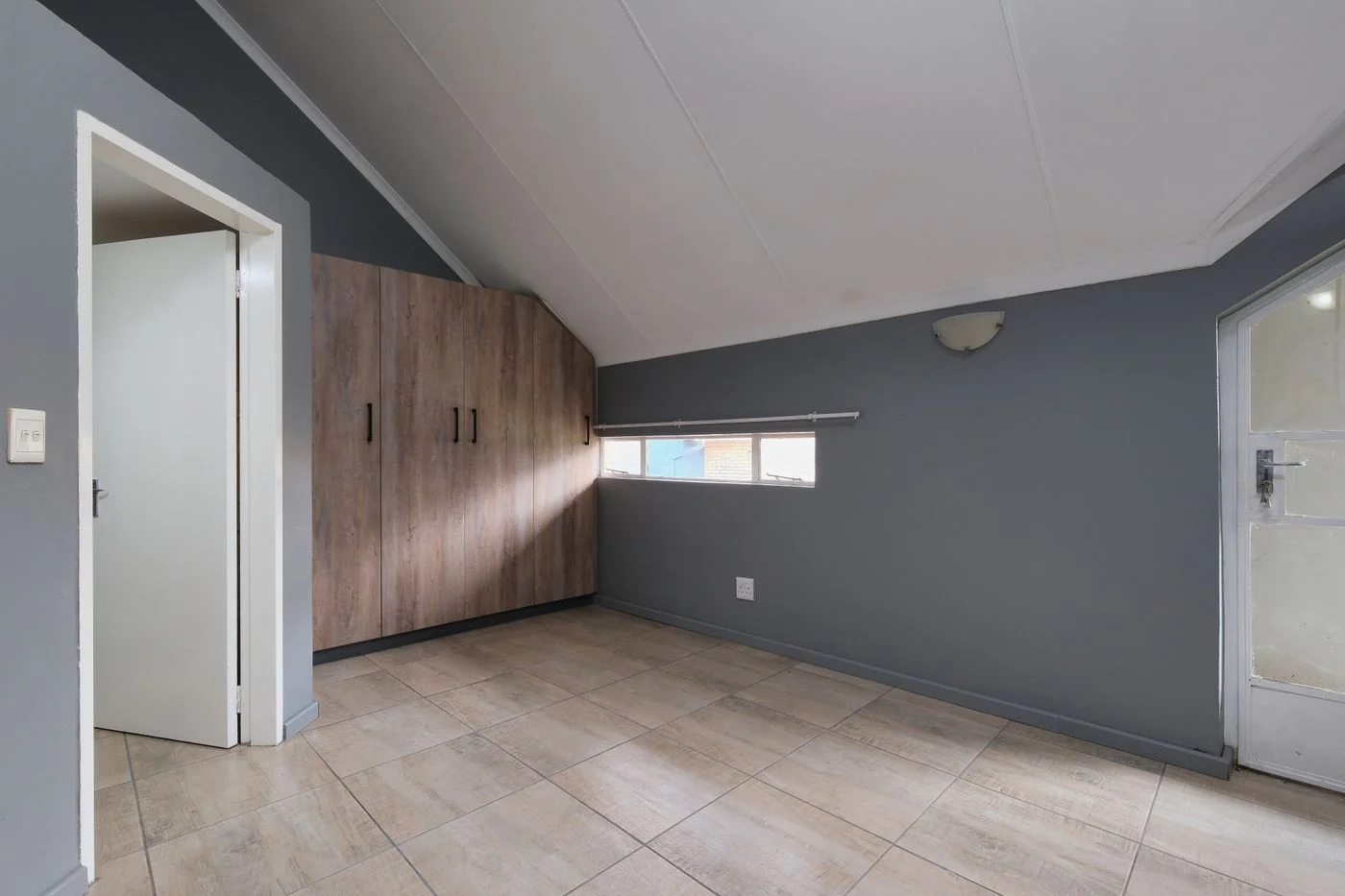 Rooms & furniture
Under a sloping ceiling, available height changes across the floor. A wardrobe must be checked in depth and during assembly.
Read article ↗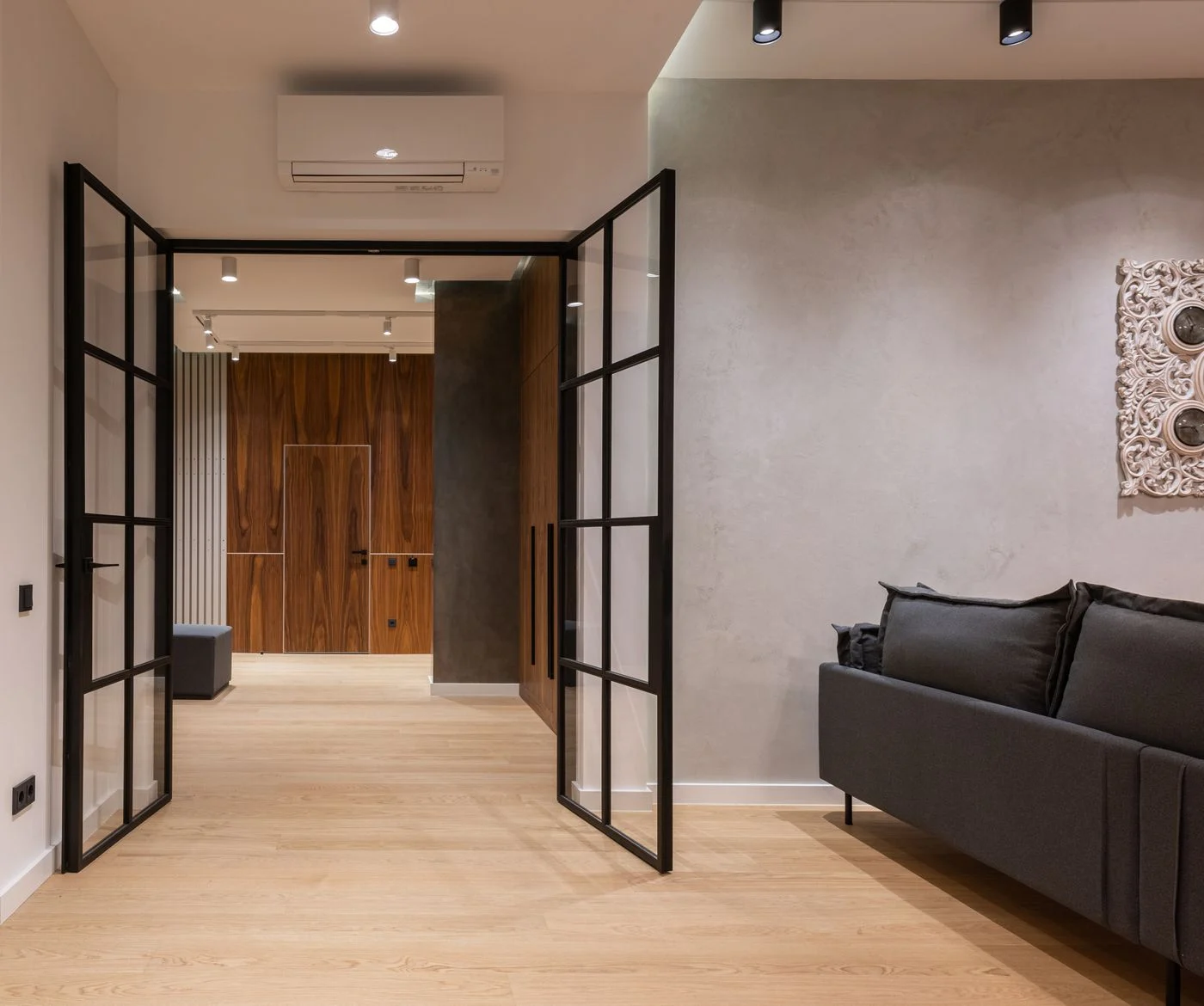 Rooms & furniture
Several doors do not necessarily make a room small, but they divide its walls into short sections. Begin with the connections between those openings.
Read article ↗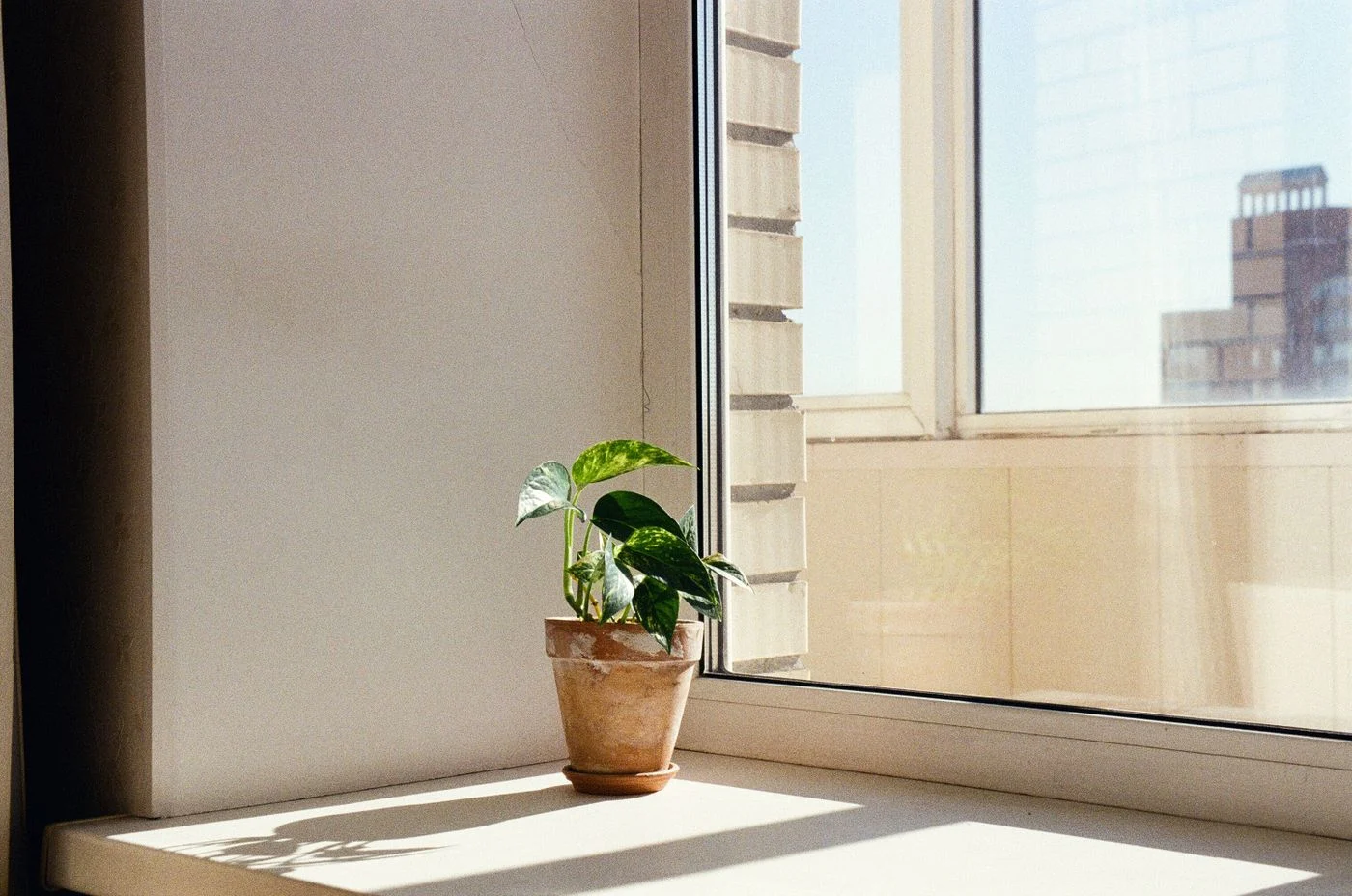 Rooms & furniture
A windowsill can hold small objects, but it is not an unlimited extension of the worktop. Window operation and the surface itself set the limits.
Read article ↗ Rooms & furniture
A dining bench can give a compact eating area a clear arrangement. Whether it saves space depends on how people get in and out.
Read article ↗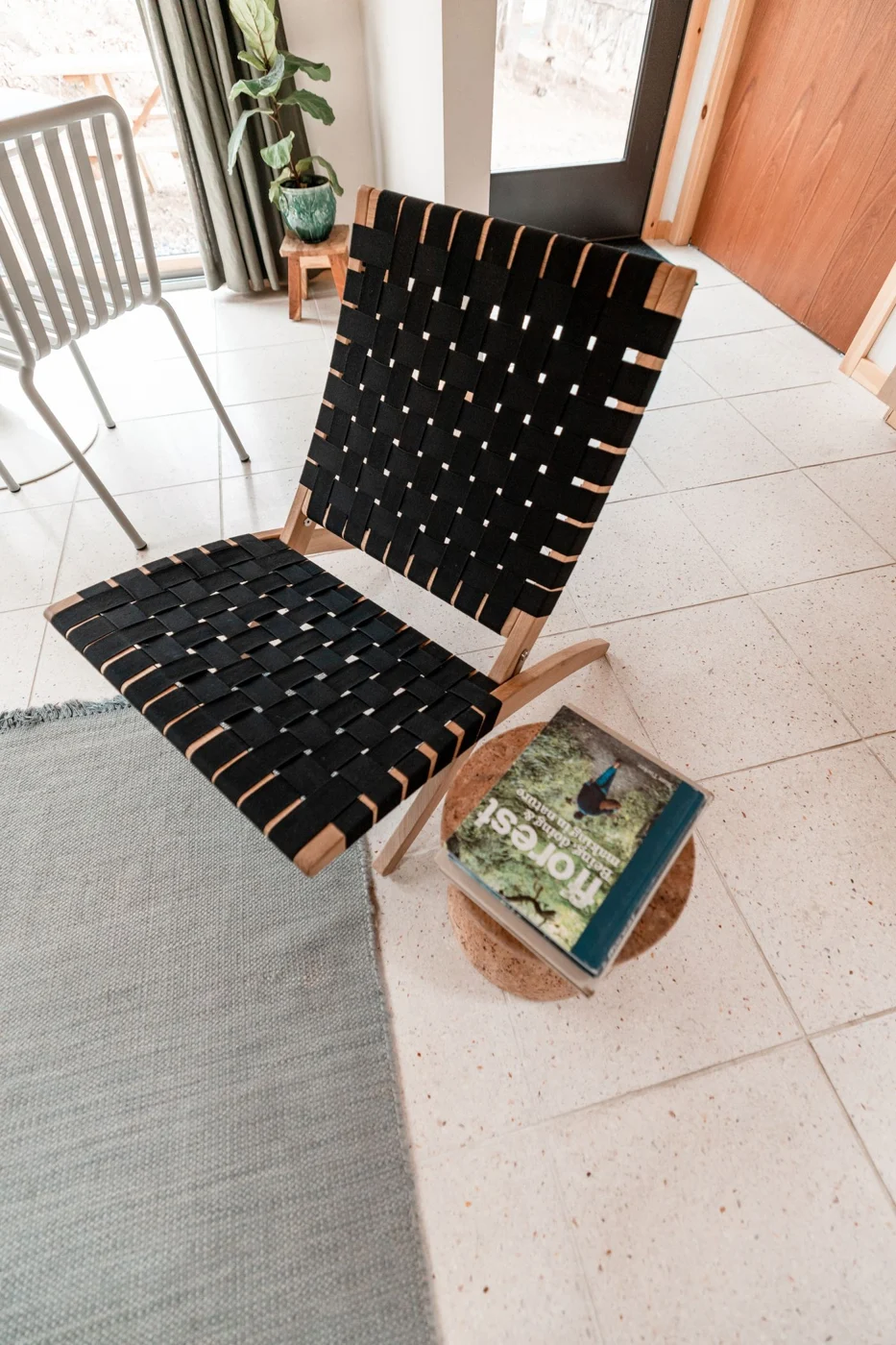 Rooms & furniture
Folding chairs solve a guest-seating problem only if they are usable at the table and accessible between visits.
Read article ↗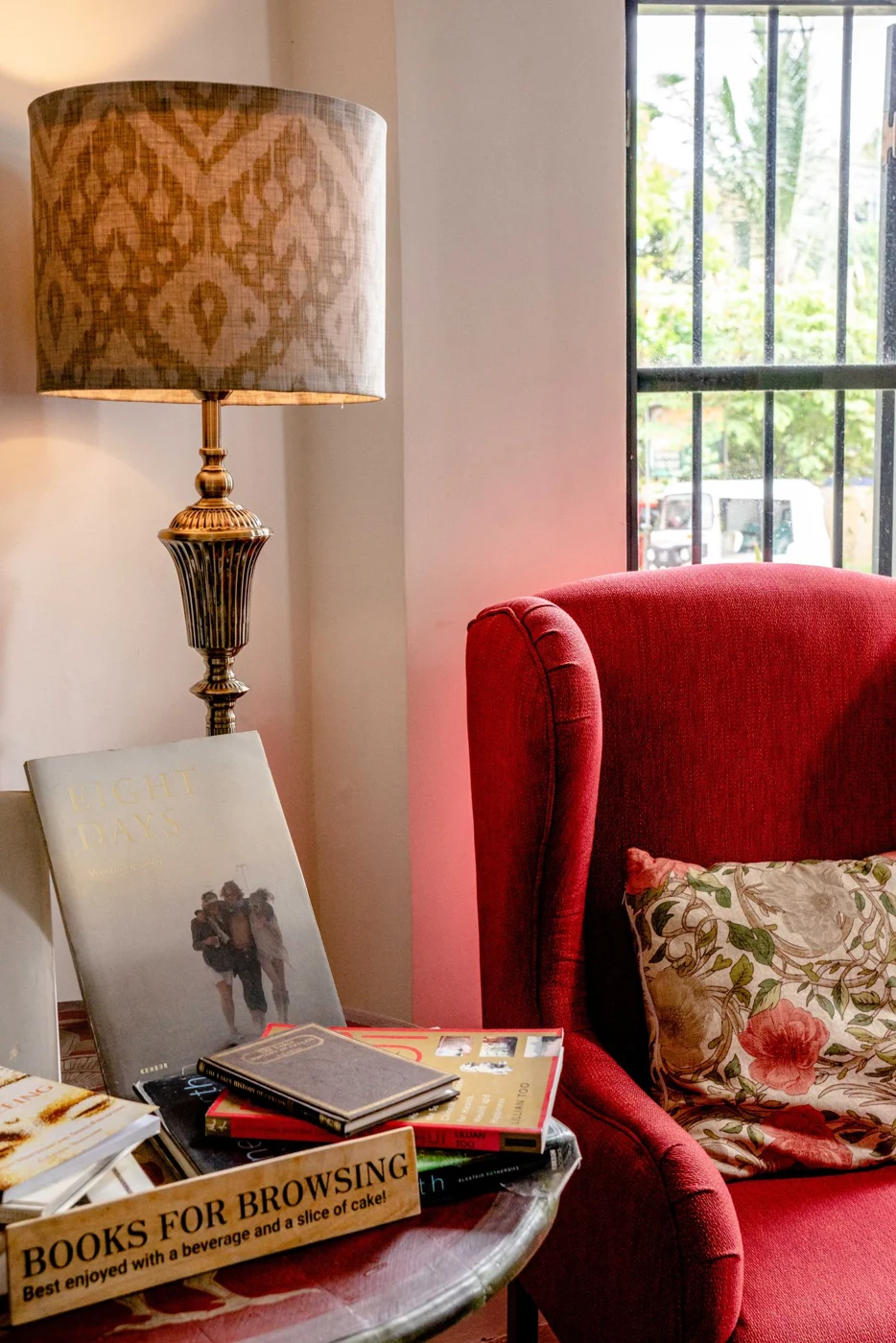 Rooms & furniture
A reading corner comes from a usable seat, light and a small surface. It does not require a separate room or a wall full of books.
Read article ↗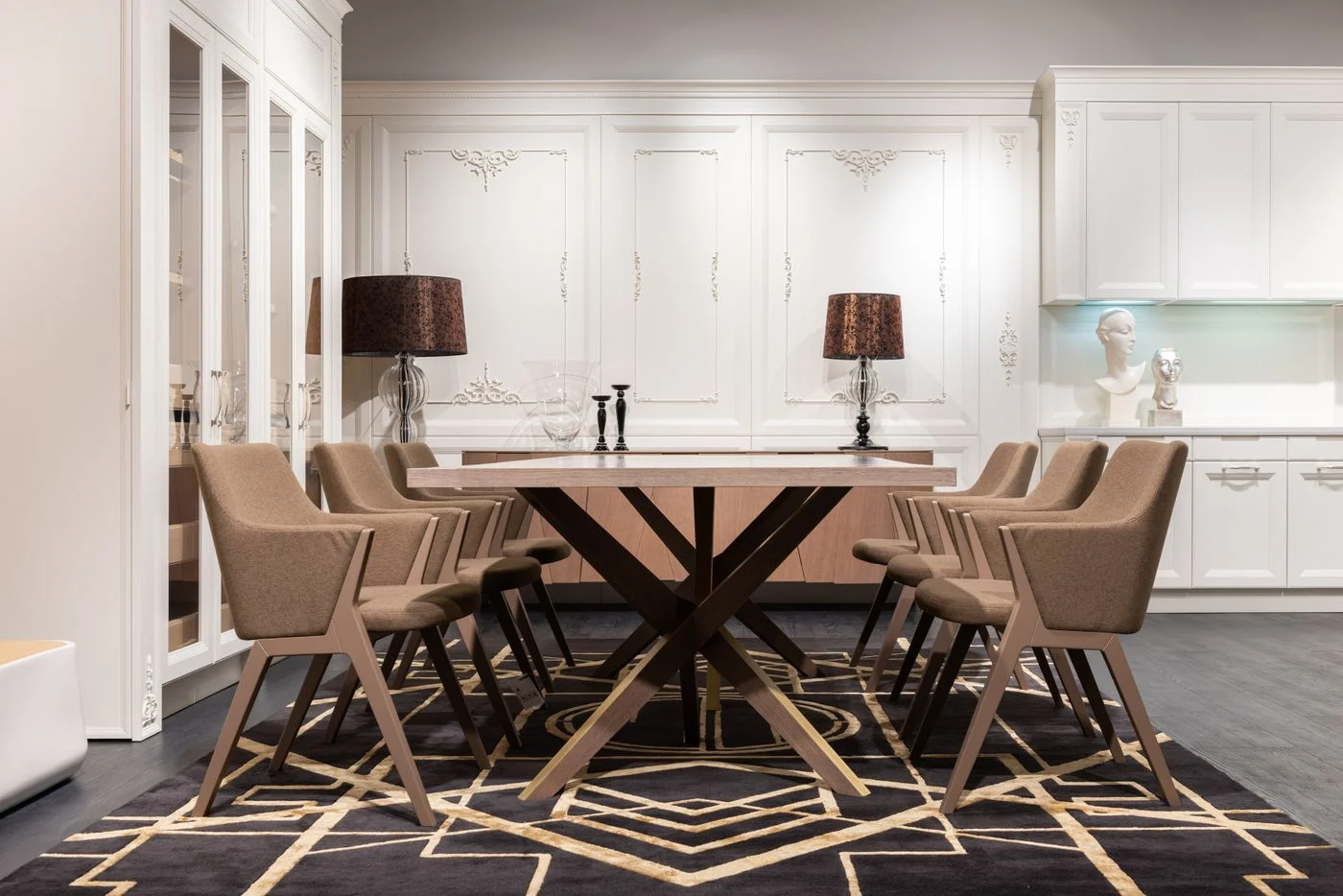 Rooms & furniture
A dining rug has to accommodate moving chairs. Its dimensions and surface matter more than a coordinating pattern alone.
Read article ↗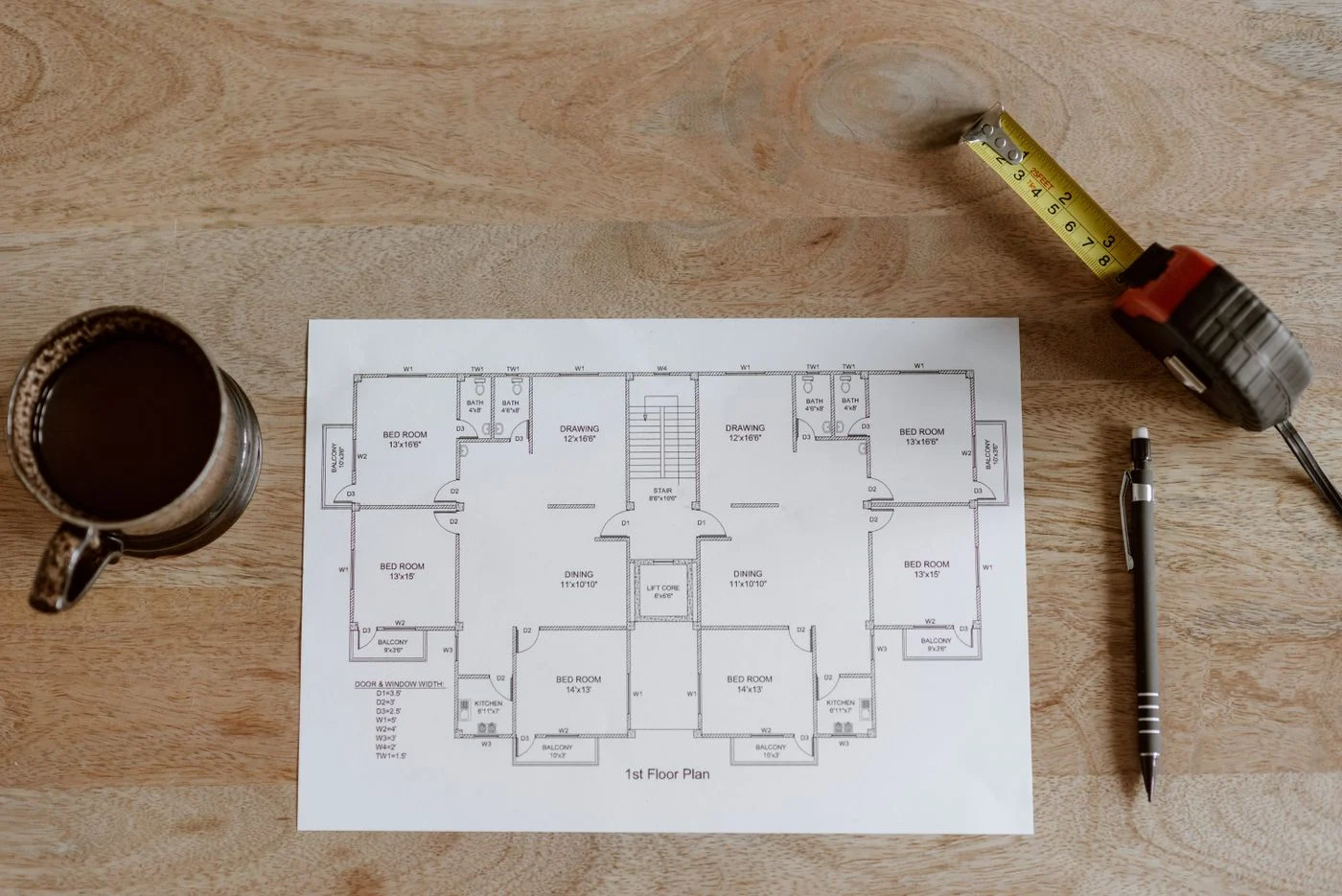 Rooms & furniture
A simple floor plan can prevent poor furniture purchases when it includes movement and height. An attractive view from above is not enough.
Read article ↗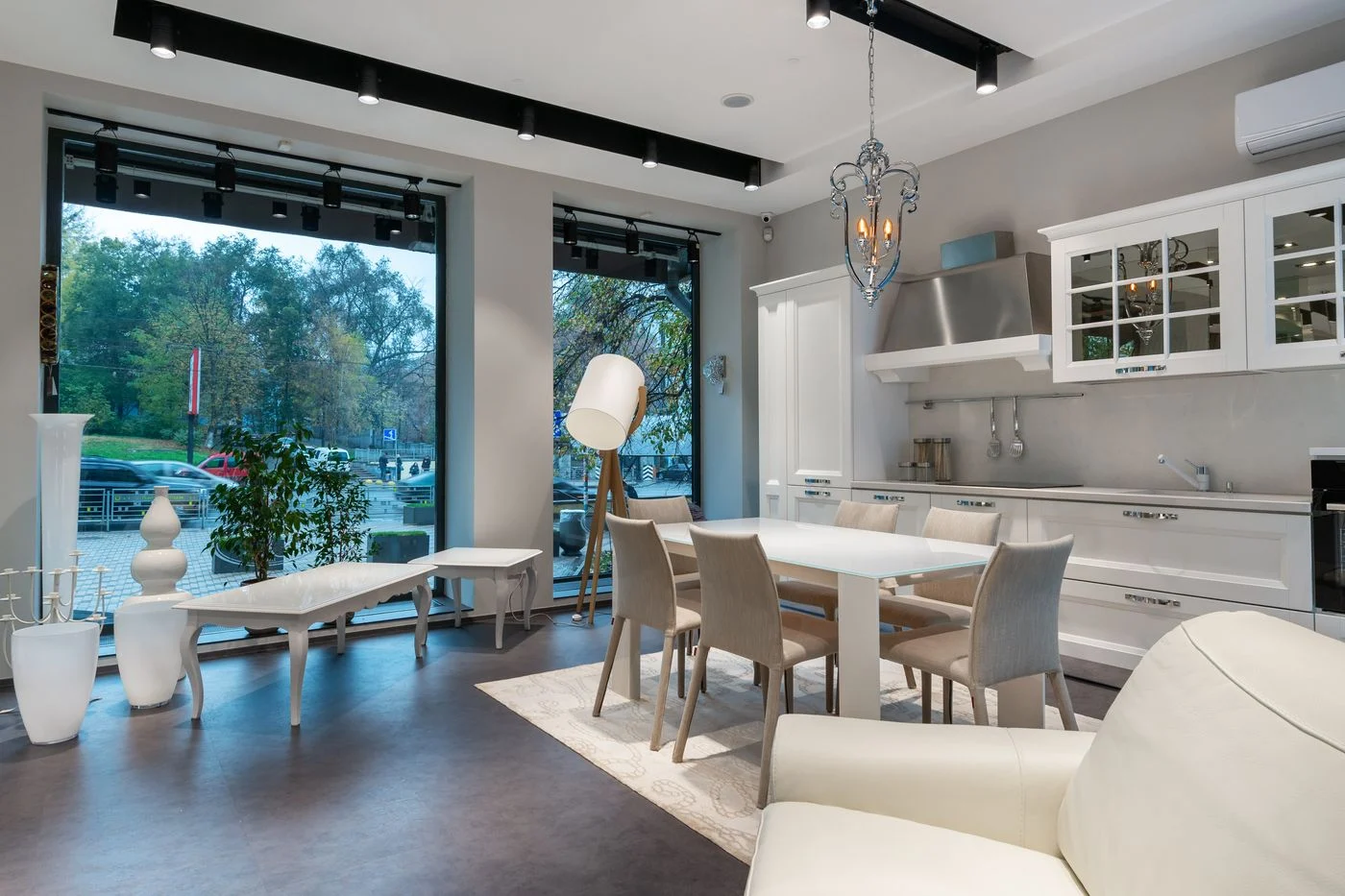 Rooms & furniture
An open kitchen and living area do not need identical furniture everywhere. A few repeated features and clear working routes can connect them.
Read article ↗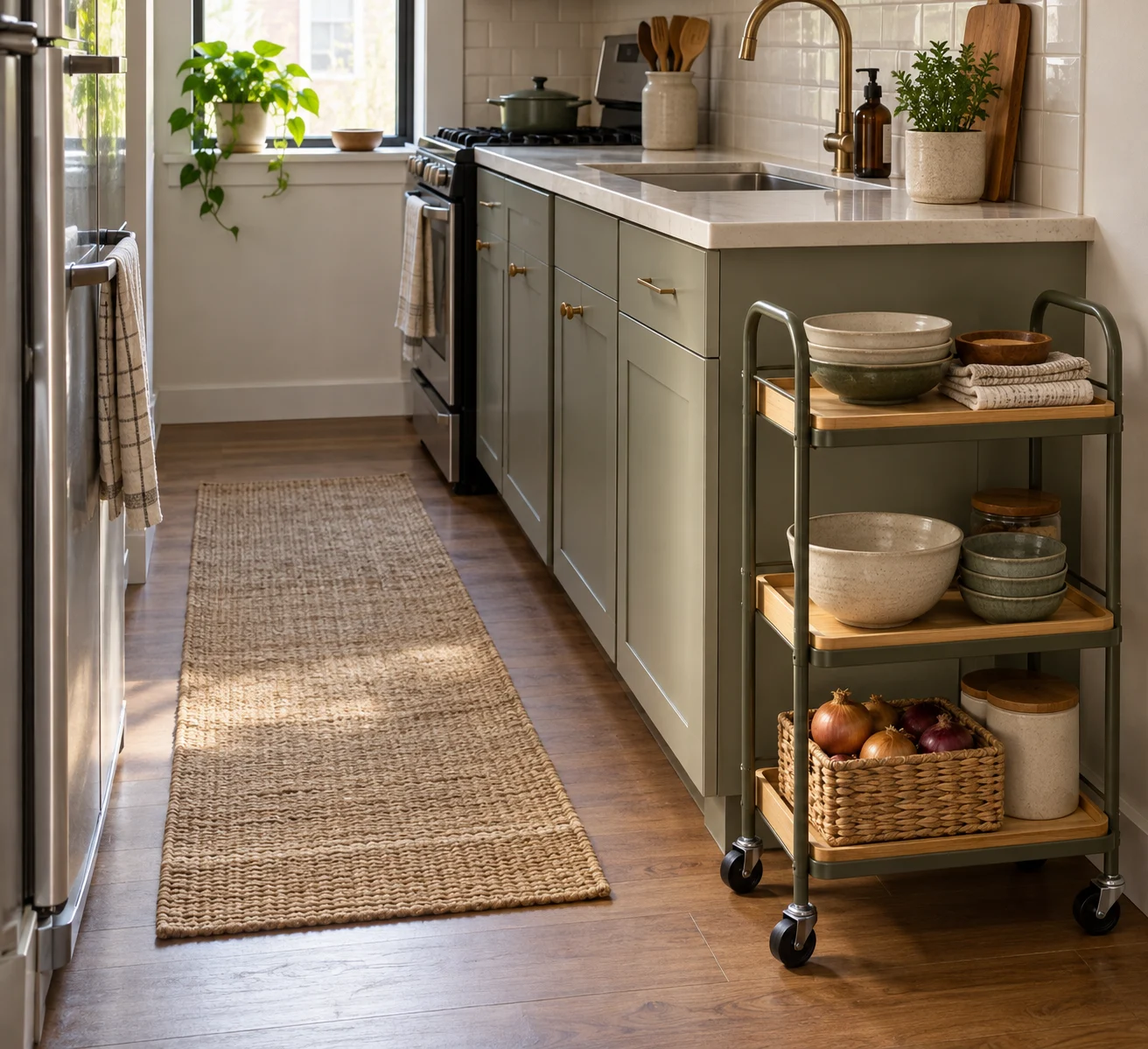 Rooms & furniture
A kitchen trolley needs both a parking place and a purpose. Without them, its movable surface can quickly become an obstruction.
Read article ↗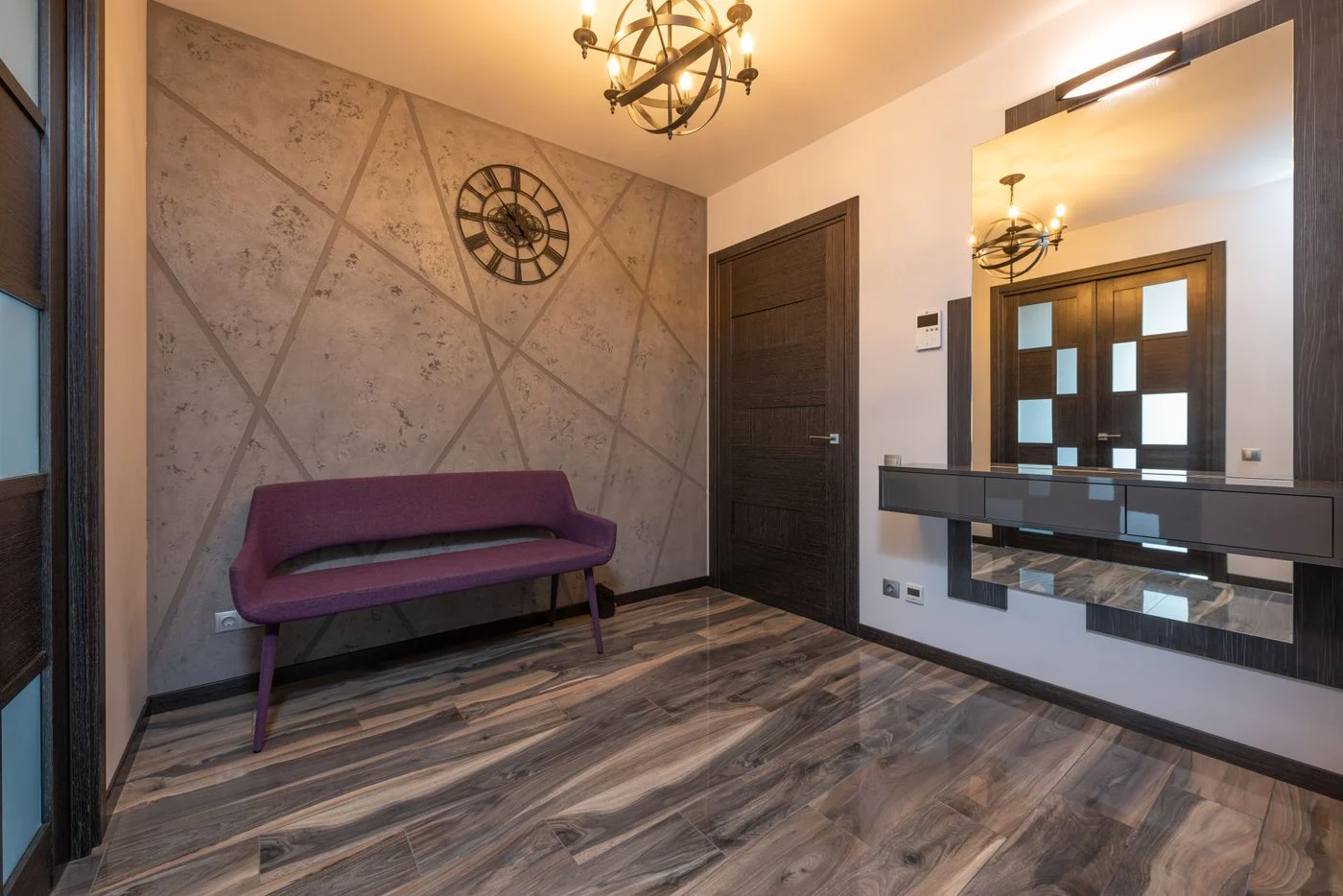 Rooms & furniture
A seat in the hallway makes putting on shoes easier. It must accommodate the seated person as well as everyone passing through.
Read article ↗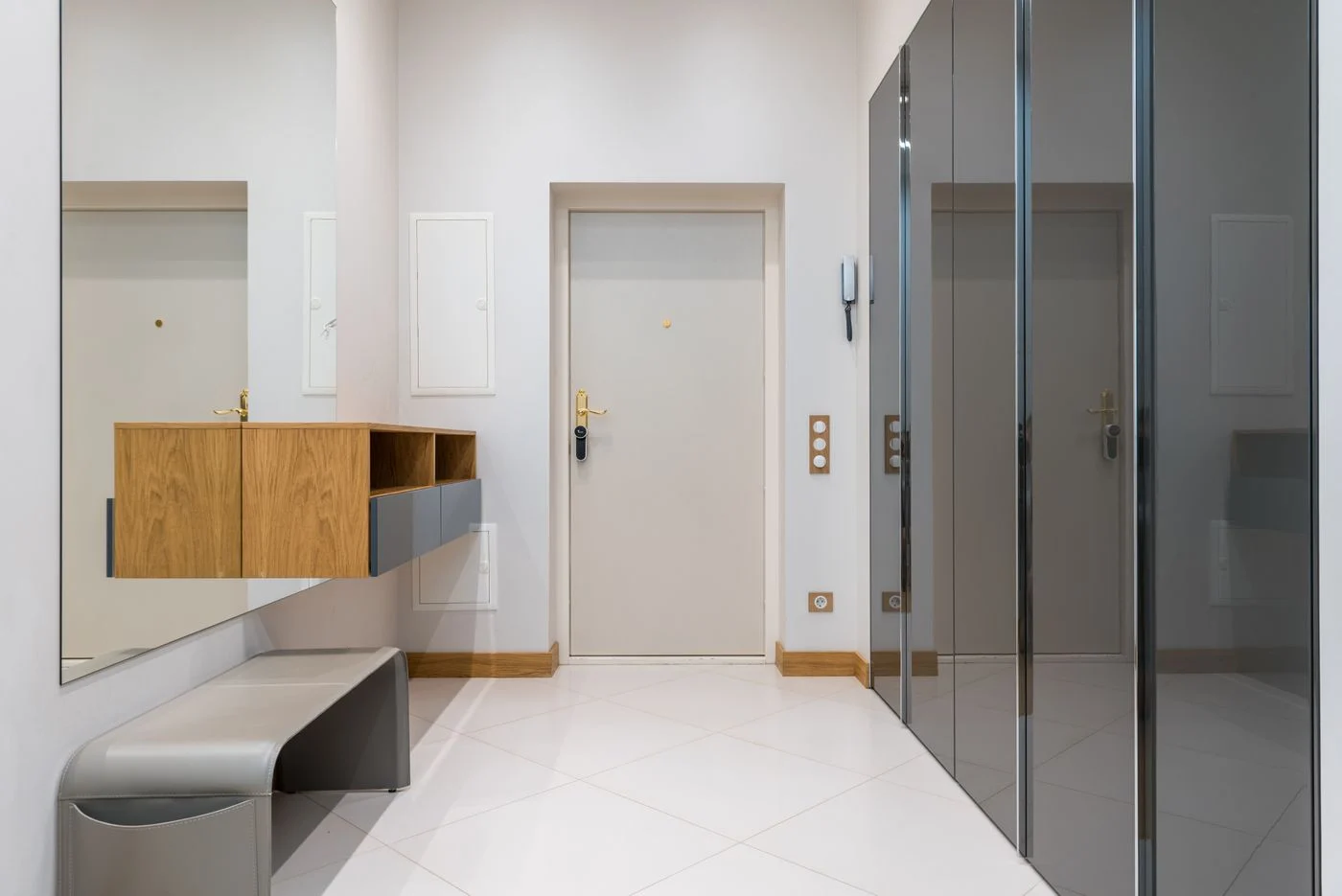 Rooms & furniture
A hallway mirror starts with a viewing task: checking clothing, adjusting hair or looking over an outfit before leaving. Choose its position around that task.
Read article ↗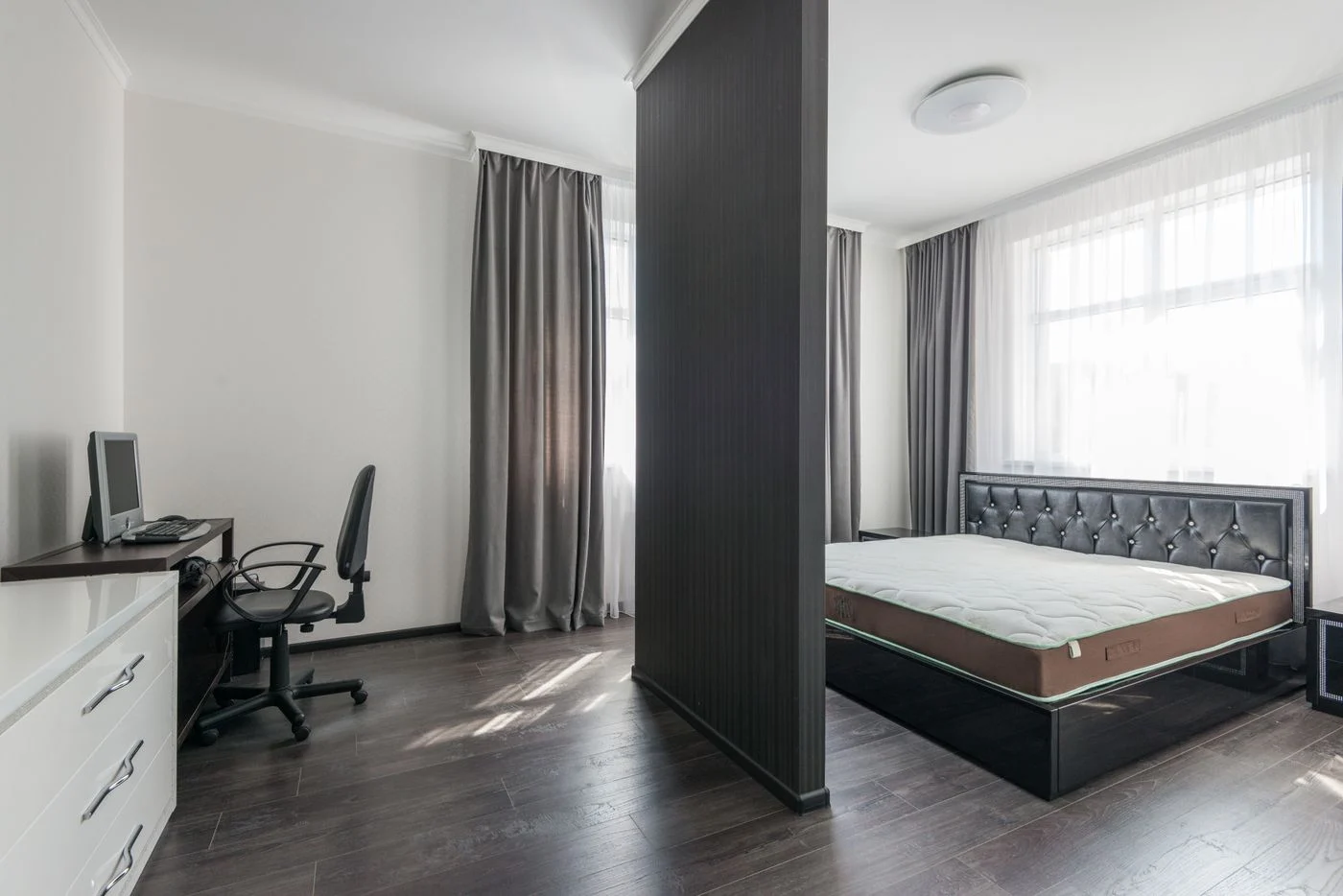 Rooms & furniture
A study can accommodate guests when the complete change between work and sleep has been planned. Enough floor for a bed is only one part of that change.
Read article ↗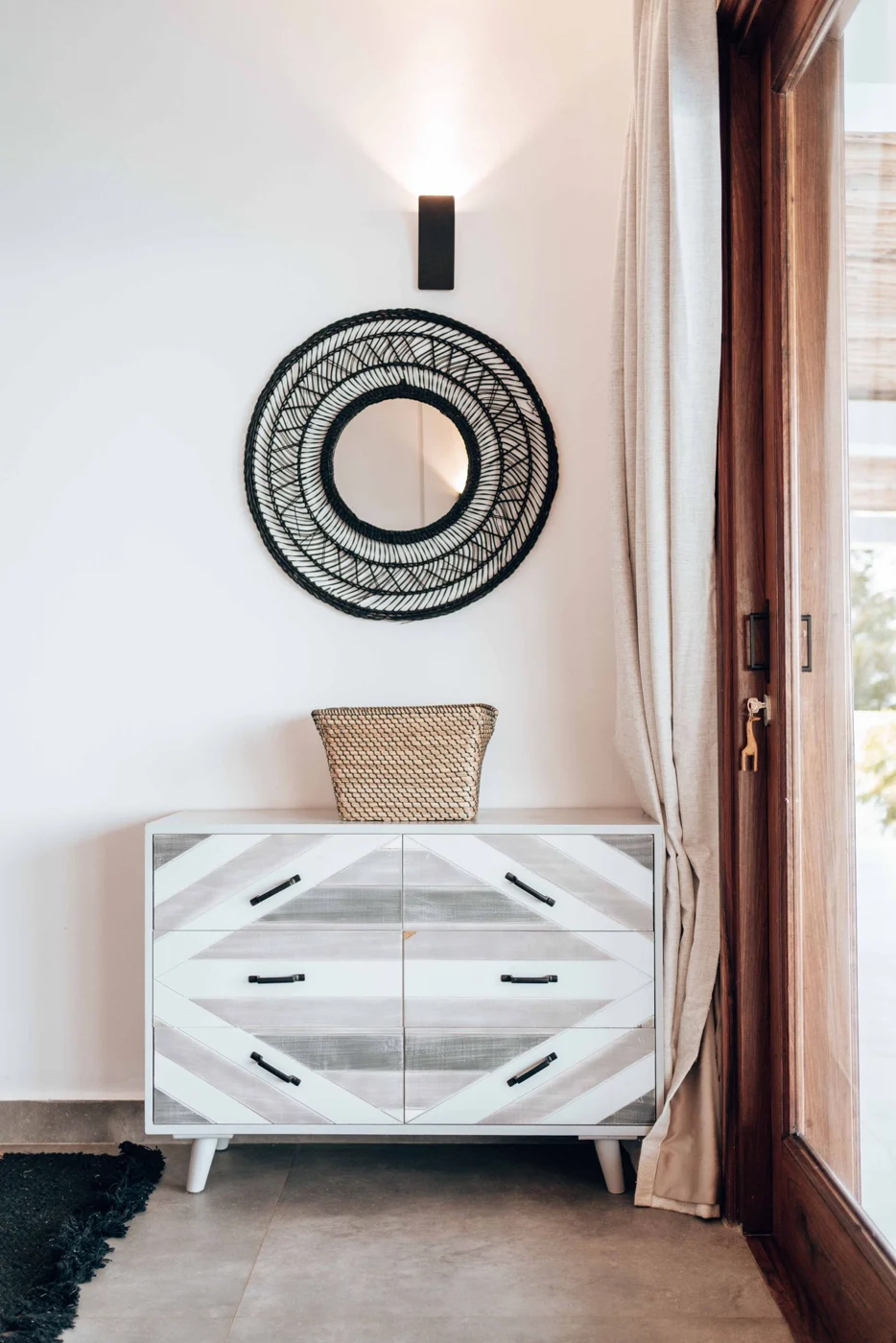 Rooms & furniture
A chest of drawers and a tall cabinet use space differently. Choose by contents and access rather than height alone.
Read article ↗ Rooms & furniture
Furniture that fits the room may still fail to pass through the building. Check the complete delivery route using the actual transport dimensions.
Read article ↗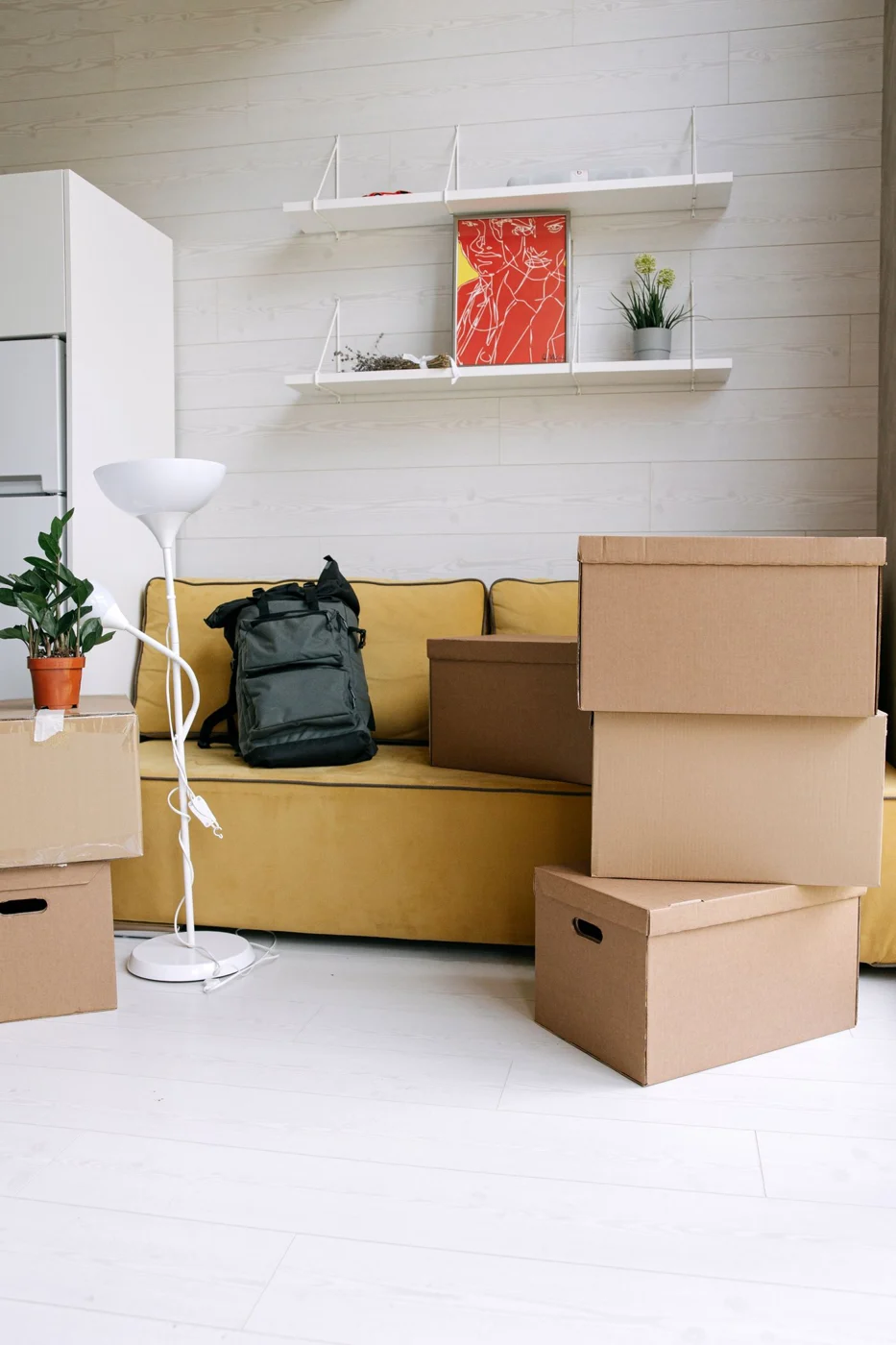 Rooms & furniture
After a move, familiar furniture has to perform in a different setting. A provisional arrangement lets you learn about the room before buying more pieces.
Read article ↗ Rooms & furniture
For used wooden furniture, construction, condition and transport belong in the same decision. An attractive surface cannot compensate for missing parts or unsuitable dimensions.
Read article ↗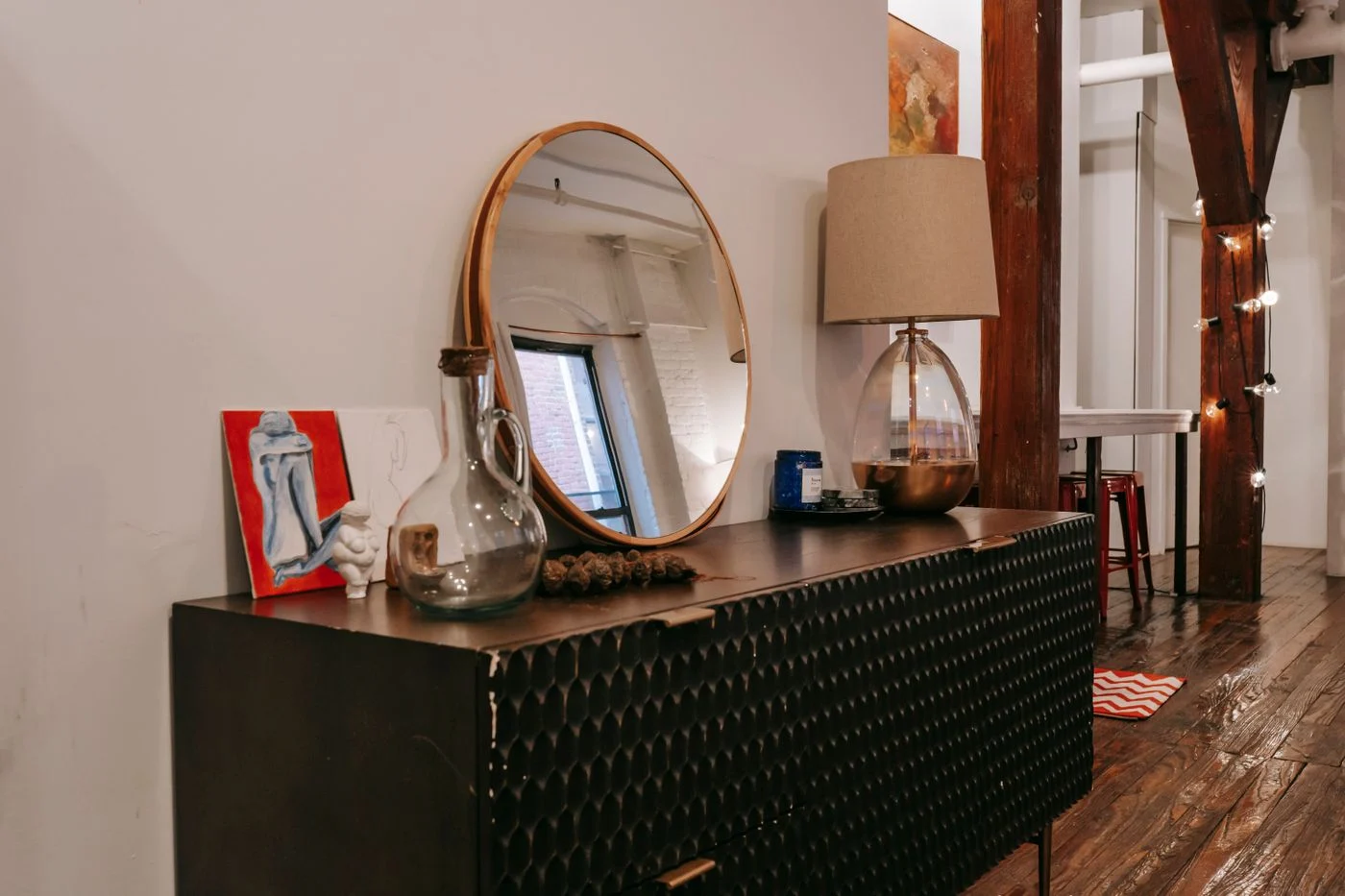 Rooms & furniture
Dark furniture does not have to leave a small room. Its distribution and the surrounding surfaces strongly affect how dense the arrangement feels.
Read article ↗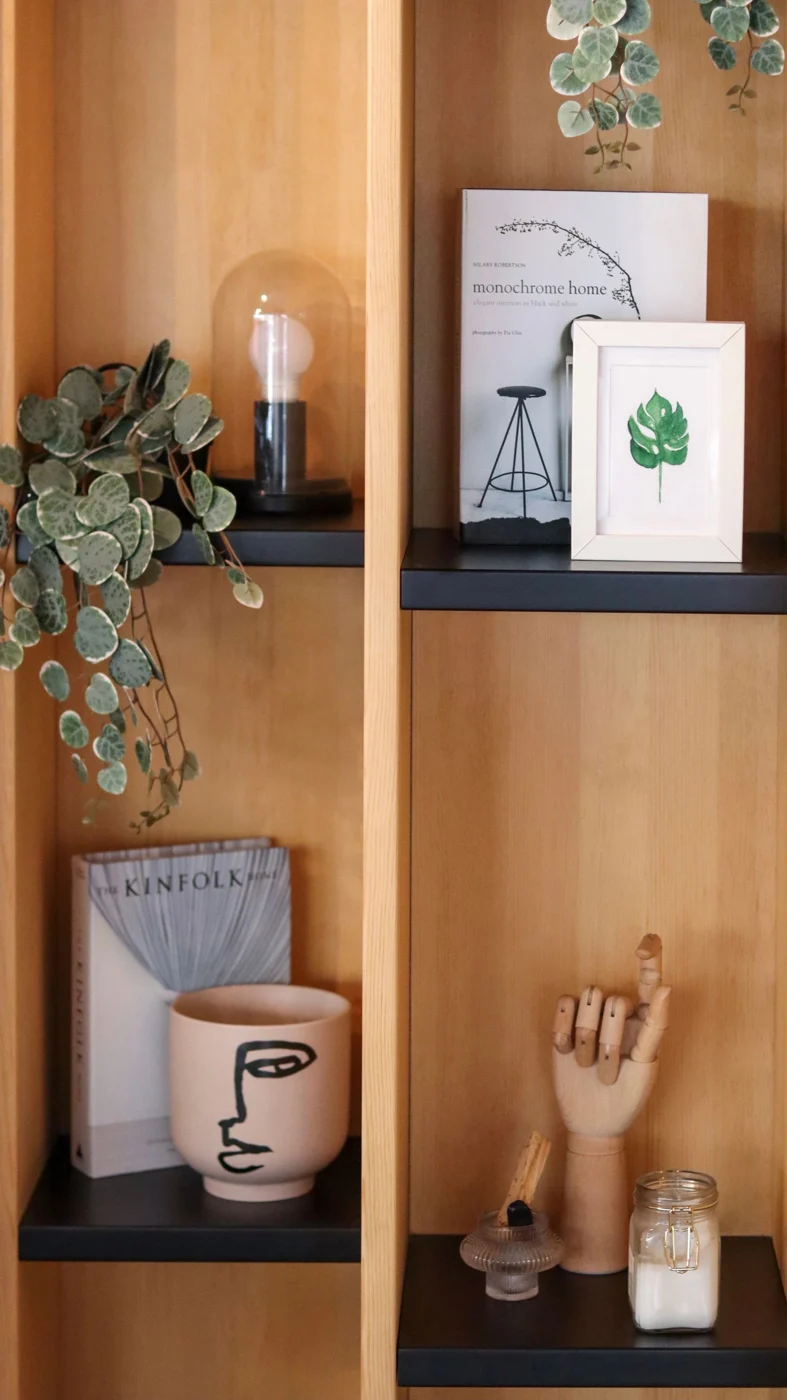 Rooms & furniture
An open shelf does not need decoration in every compartment. Empty areas make its contents easier to read and reach.
Read article ↗ Rooms & furniture
A quiet place in a shared living room does not have to pretend to be a separate room. Its main boundaries concern views, sound and shared habits.
Read article ↗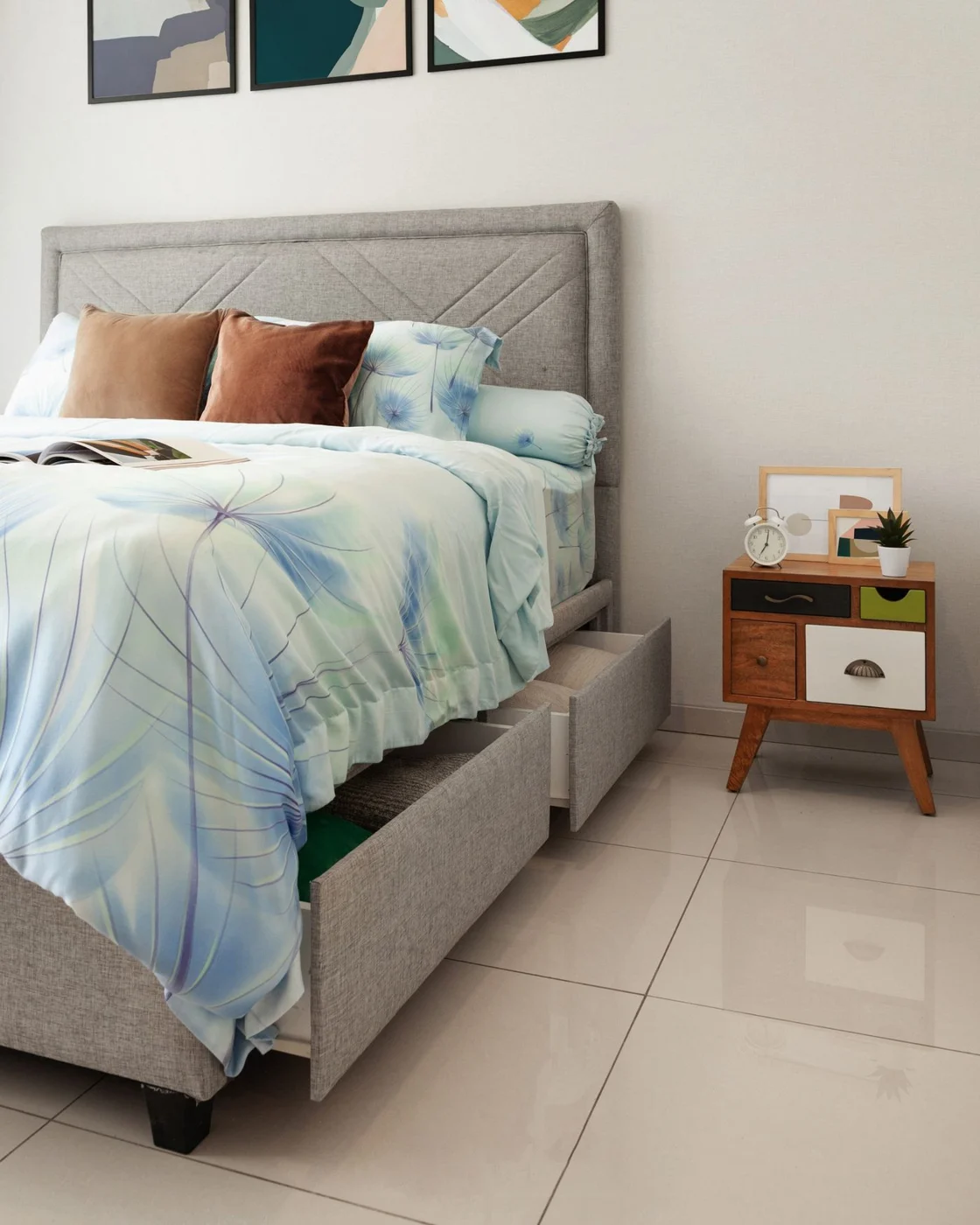 Rooms & furniture
Drawers beneath a bed can use floor area already occupied by the frame. Their capacity is available only if the drawers remain accessible.
Read article ↗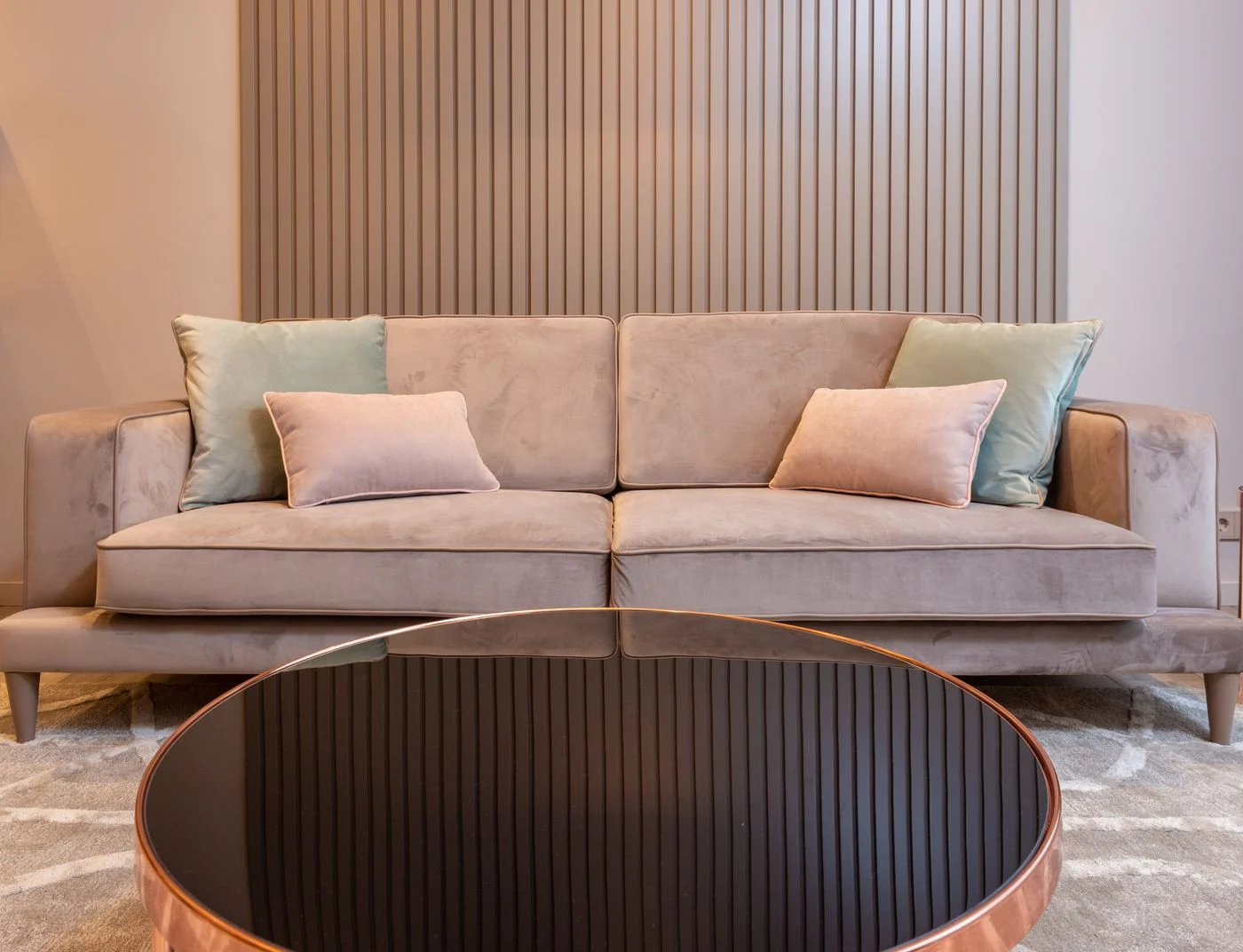 Rooms & furniture
A round coffee table may suit a narrow route, but it still occupies a real area. Choose it for more than the absence of corners.
Read article ↗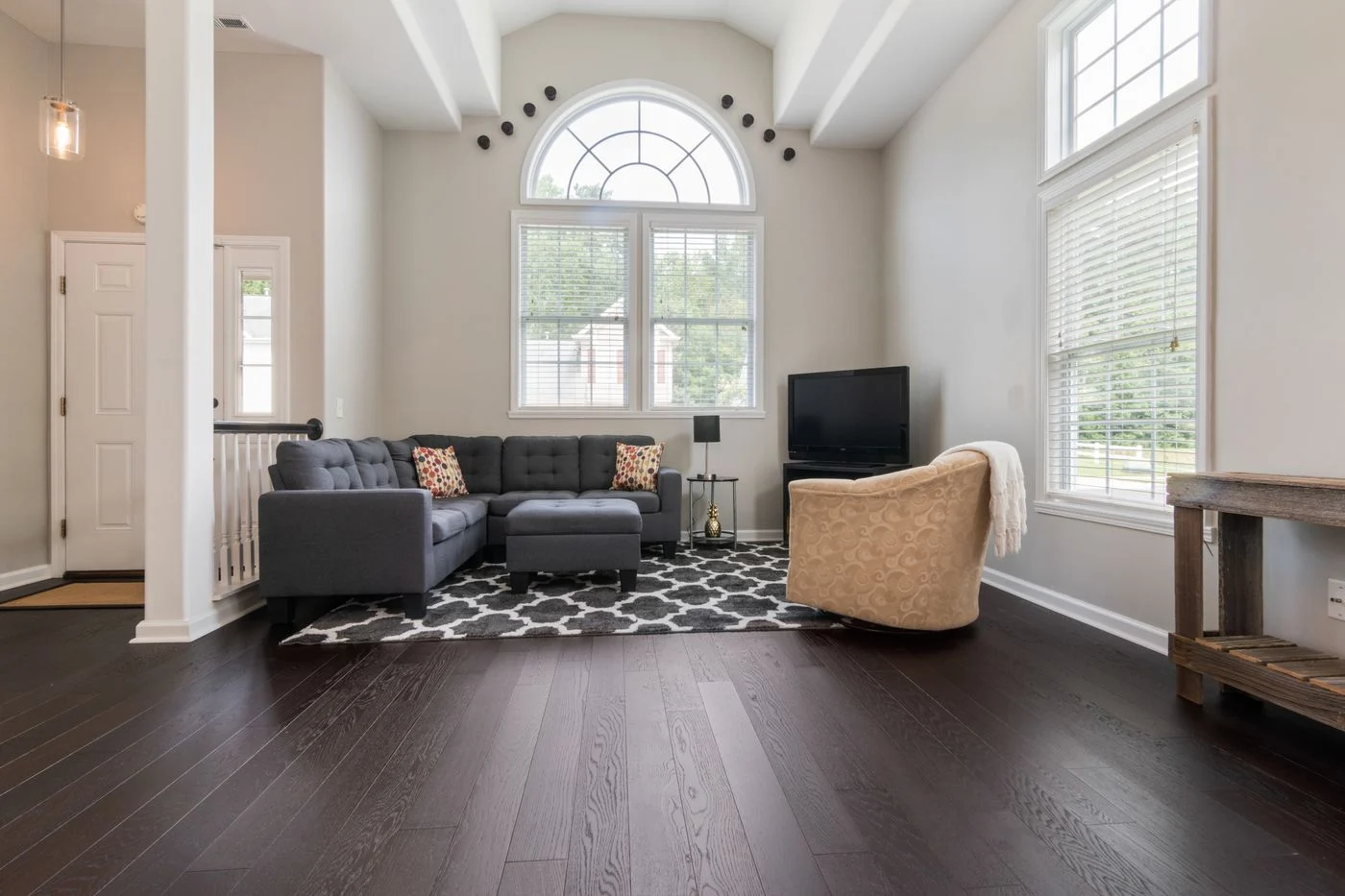 Rooms & furniture
A high ceiling can make a small floor area feel generous. The furniture does not therefore have to reach the ceiling too.
Read article ↗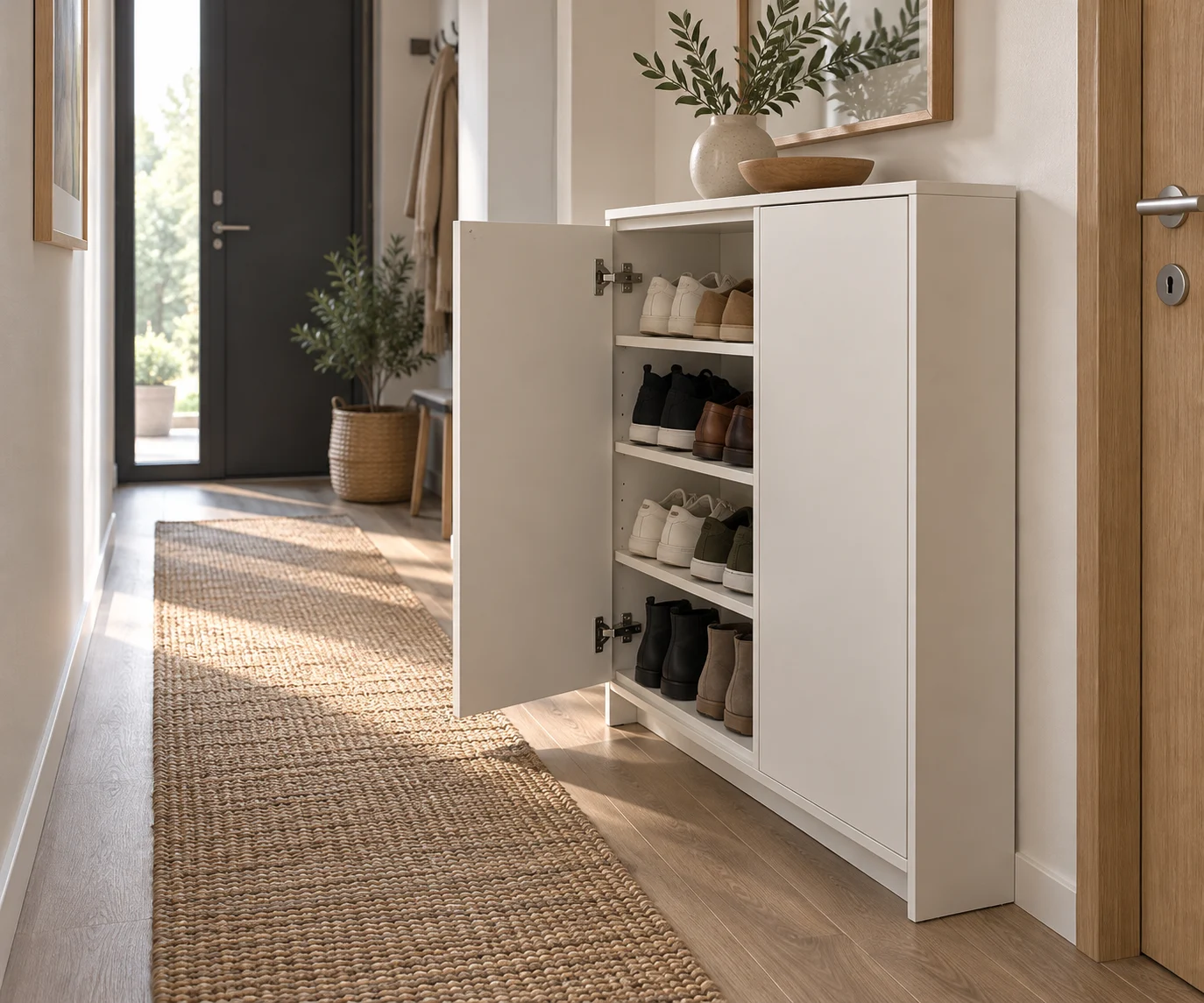 Storage & organisation
A shallow shoe cabinet can release space in a hallway. Whether the shoes fit and the compartments open properly matters as much as its depth.
Read article ↗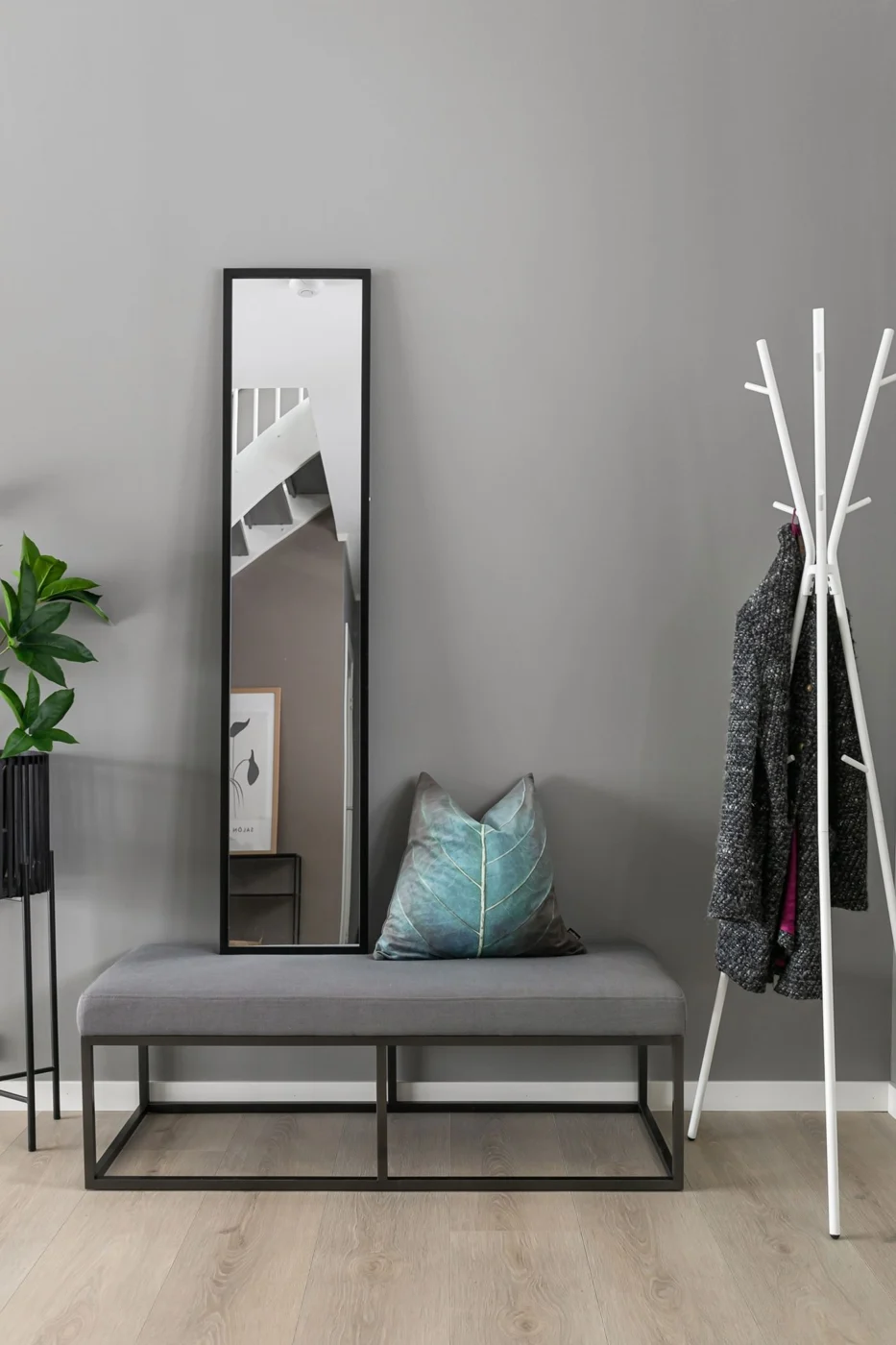 Storage & organisation
Without a large coat cupboard, the entrance needs a limited selection of coats and suitable hanging space. The whole winter wardrobe does not have to live by the door.
Read article ↗ Storage & organisation
Keys and incoming post need different routines. One large basket collects both but rarely solves the search before leaving home.
Read article ↗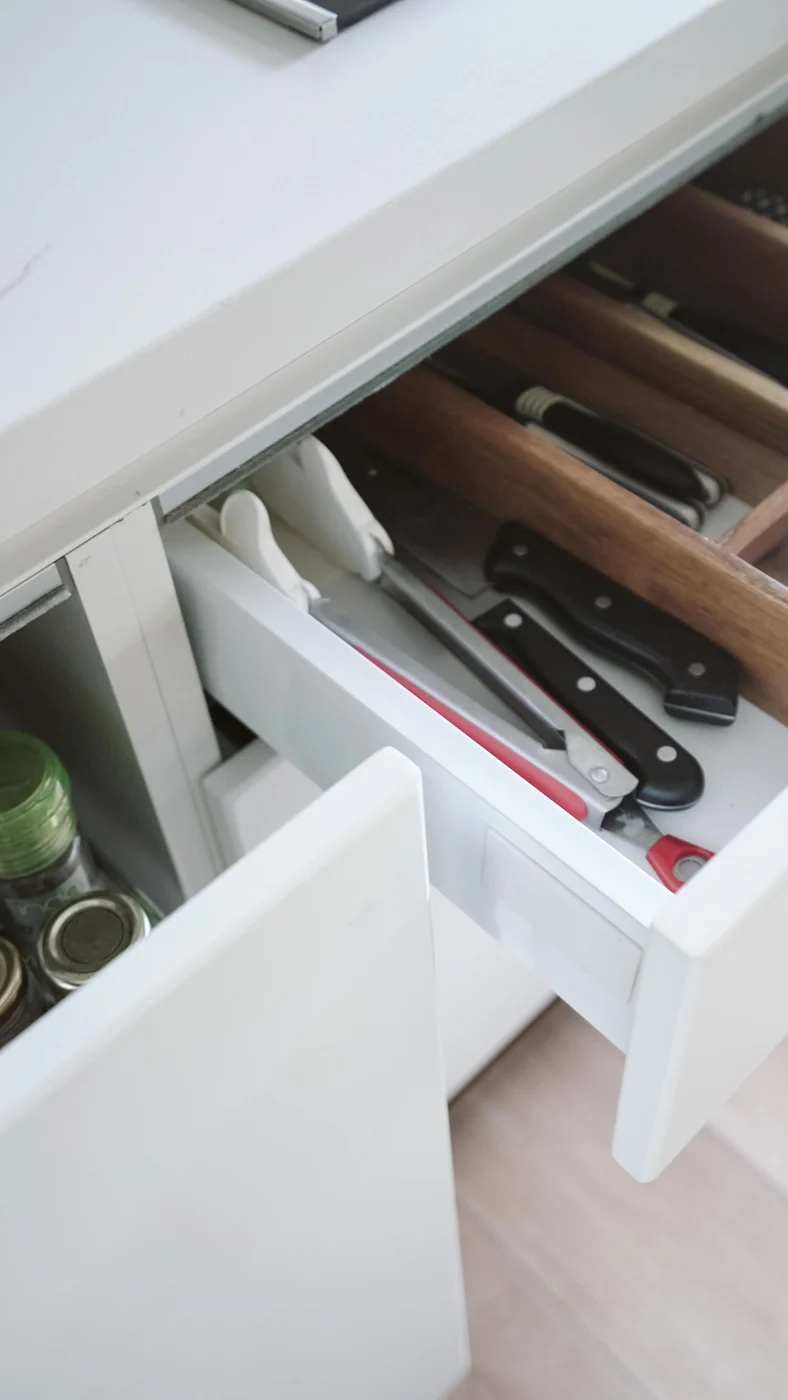 Storage & organisation
A kitchen drawer becomes clearer when its contents relate to the work nearby. Choose inserts after making that allocation.
Read article ↗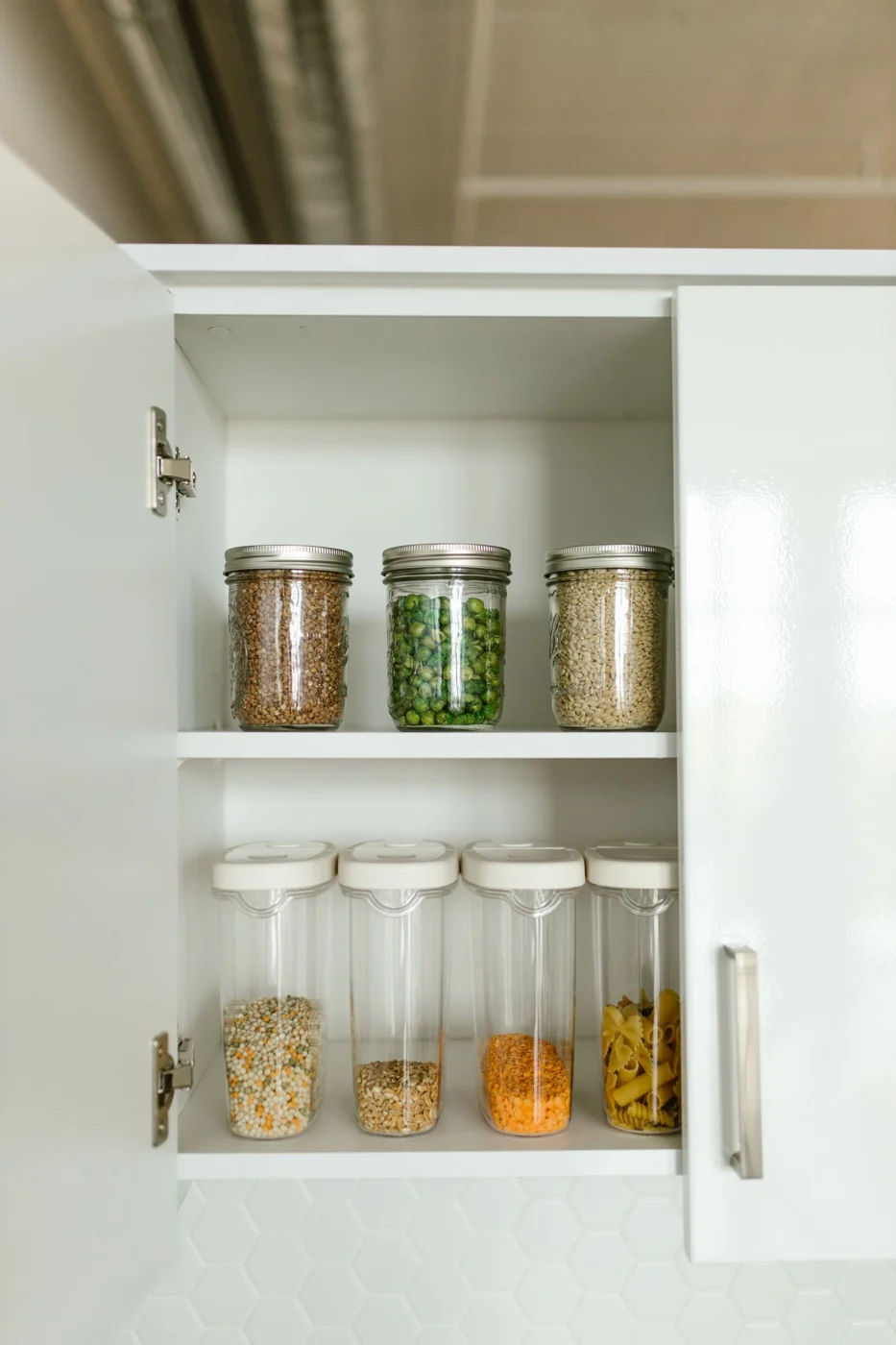 Storage & organisation
A deep food cupboard may hold plenty while remaining difficult to use. The issue is whether rear packages can be seen and reached without emptying the front.
Read article ↗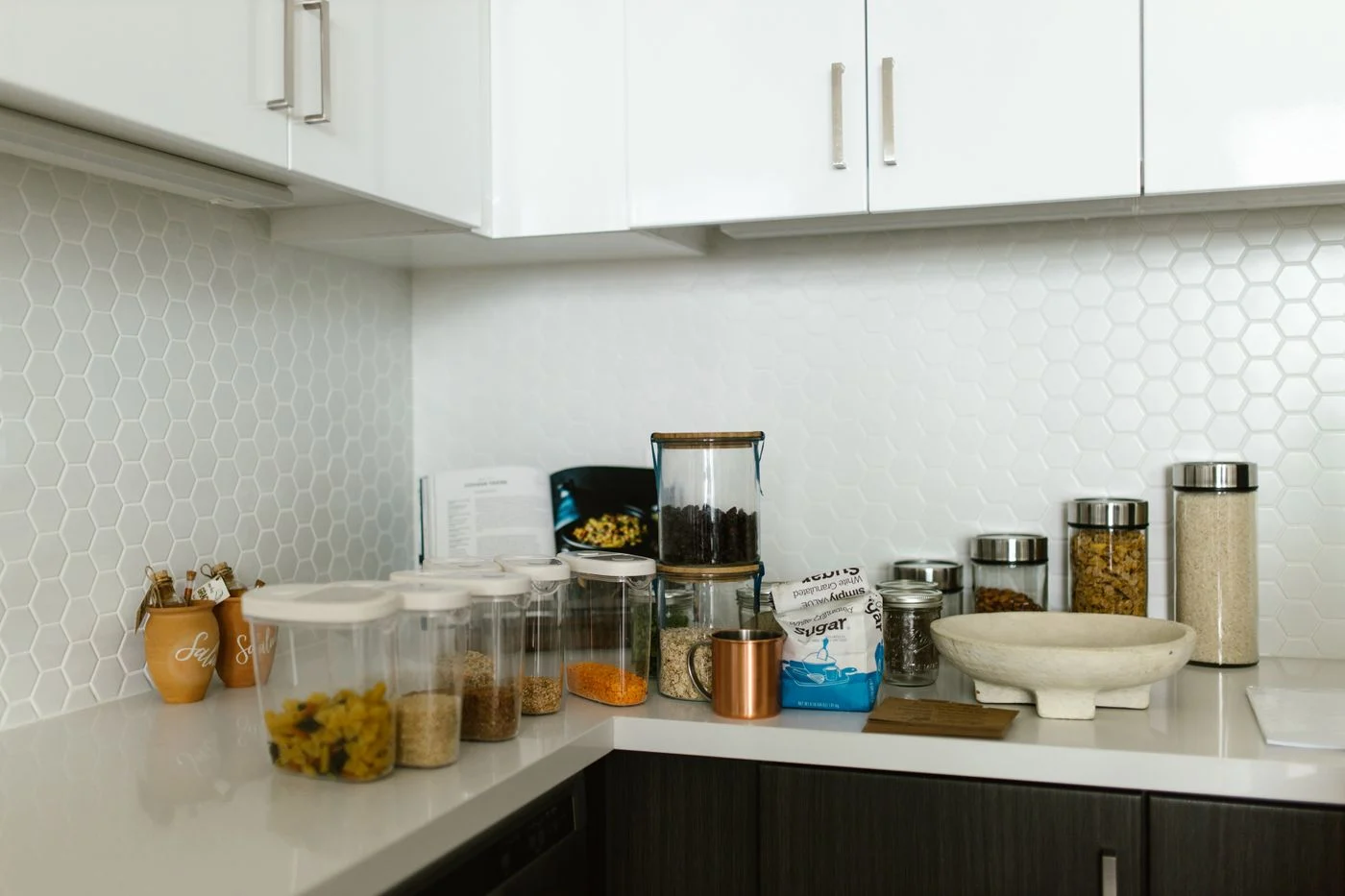 Storage & organisation
Food-container clutter often comes from lids that no longer have an obvious match. Pairing everything once reveals which containers are genuinely usable.
Read article ↗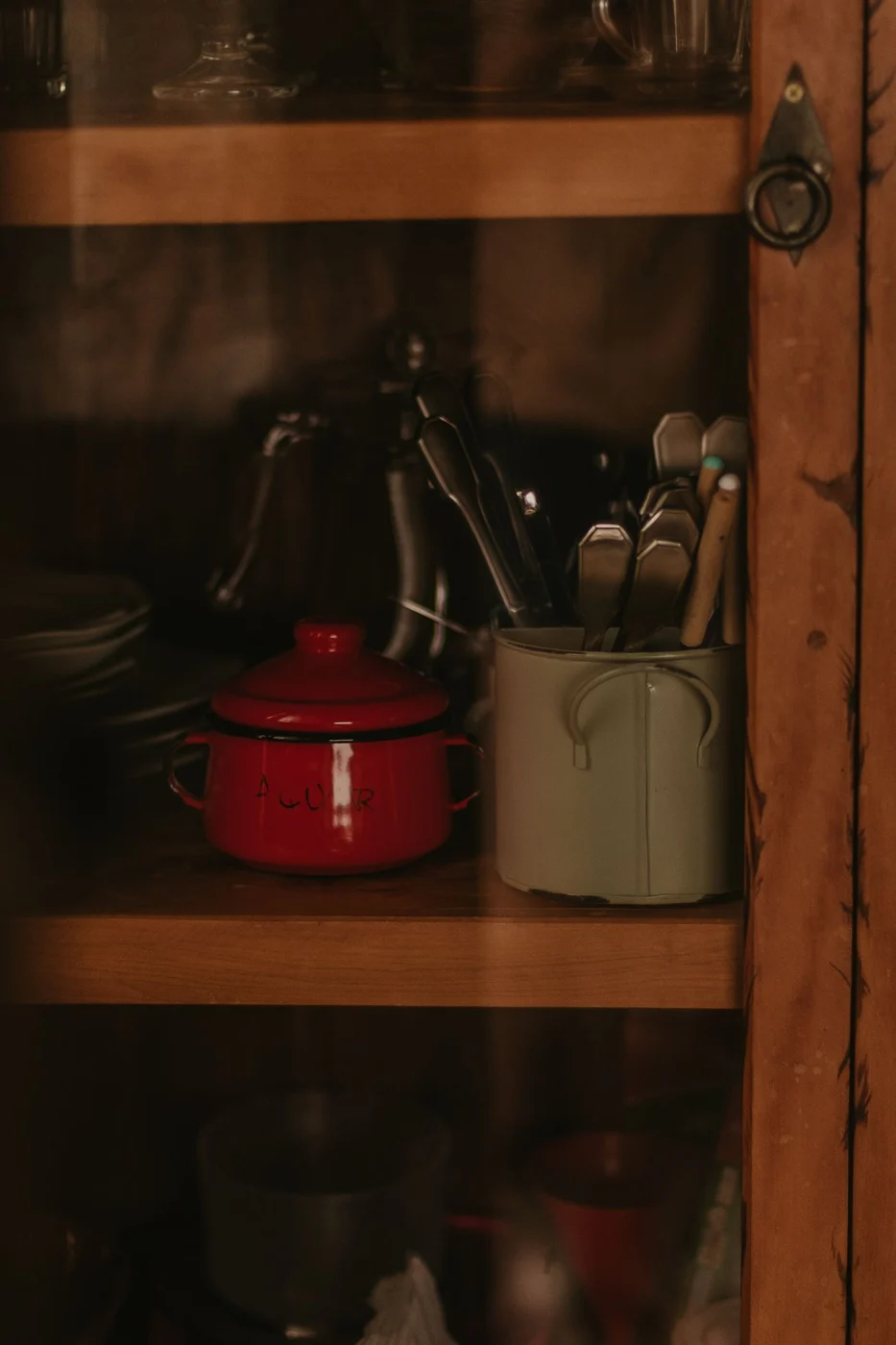 Storage & organisation
Pans need space for their handles and a way to retrieve them without damage. A tall stack uses height but makes the bottom pan difficult to reach.
Read article ↗ Storage & organisation
Spices should be easy to find without living beside constant heat and steam. The convenient spot above the hob is not always a suitable storage location.
Read article ↗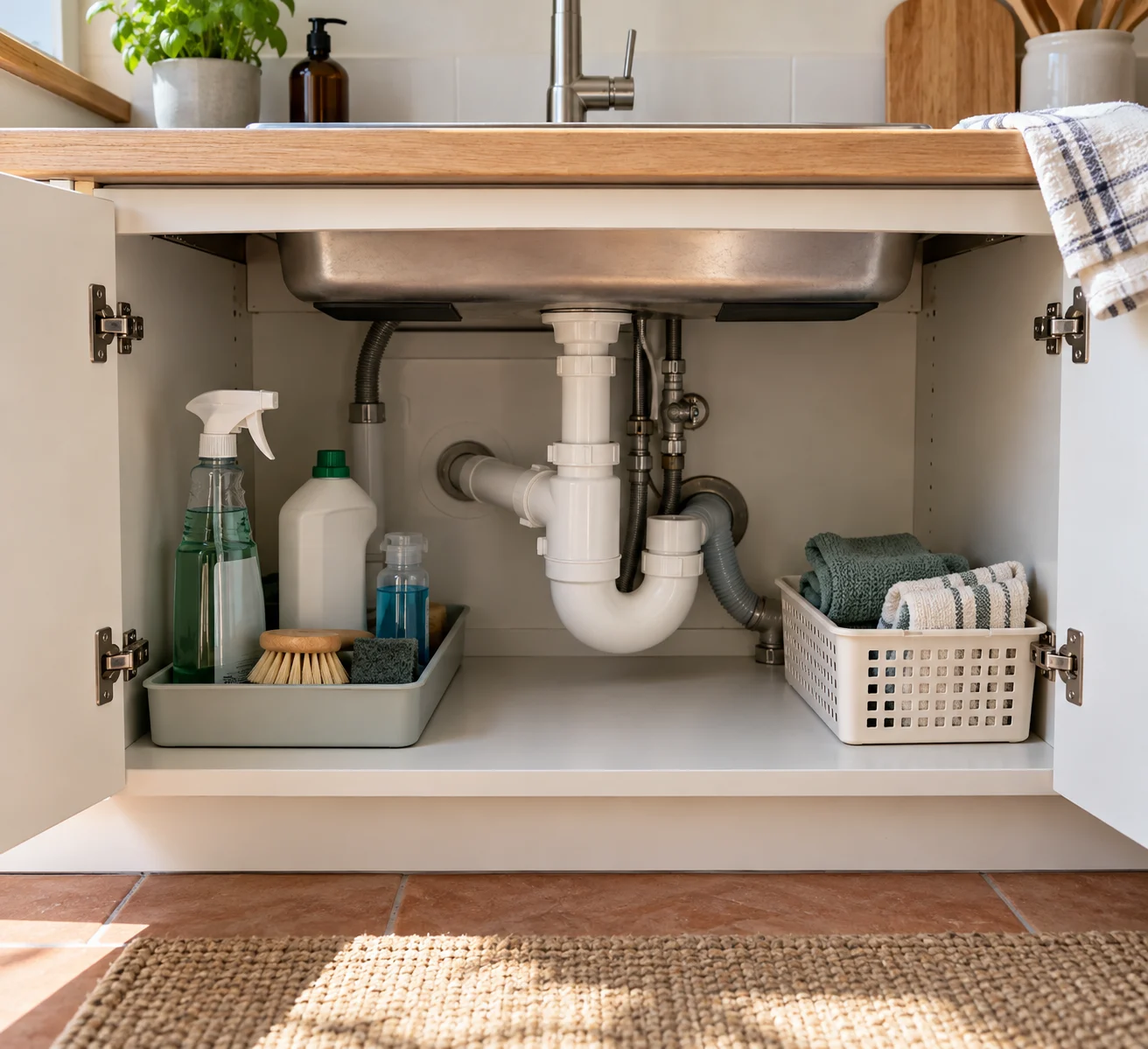 Storage & organisation
Pipes and connections interrupt storage beneath a sink. The arrangement should preserve access to them and suit the products being kept there.
Read article ↗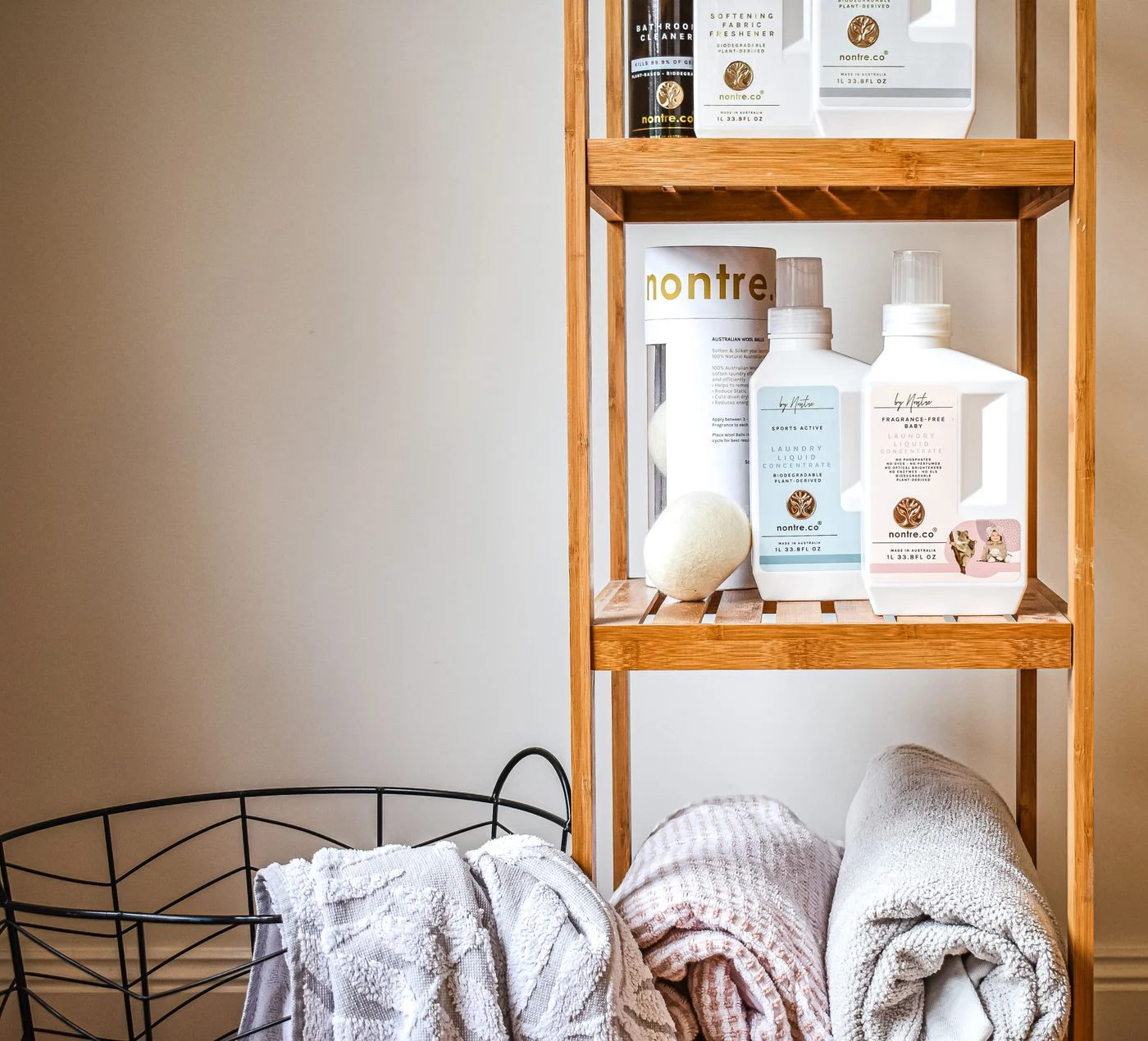 Storage & organisation
A small bathroom needs places for used towels to dry and clean spares to remain protected. These are different jobs and should not share one crowded shelf.
Read article ↗ Storage & organisation
A small bathroom shelf should hold products used every day. Reserves and occasional treatments do not need the same accessible position.
Read article ↗ Storage & organisation
A laundry collection point should simplify the next wash without hiding damp clothing in a closed space. Location and carrying weight matter together.
Read article ↗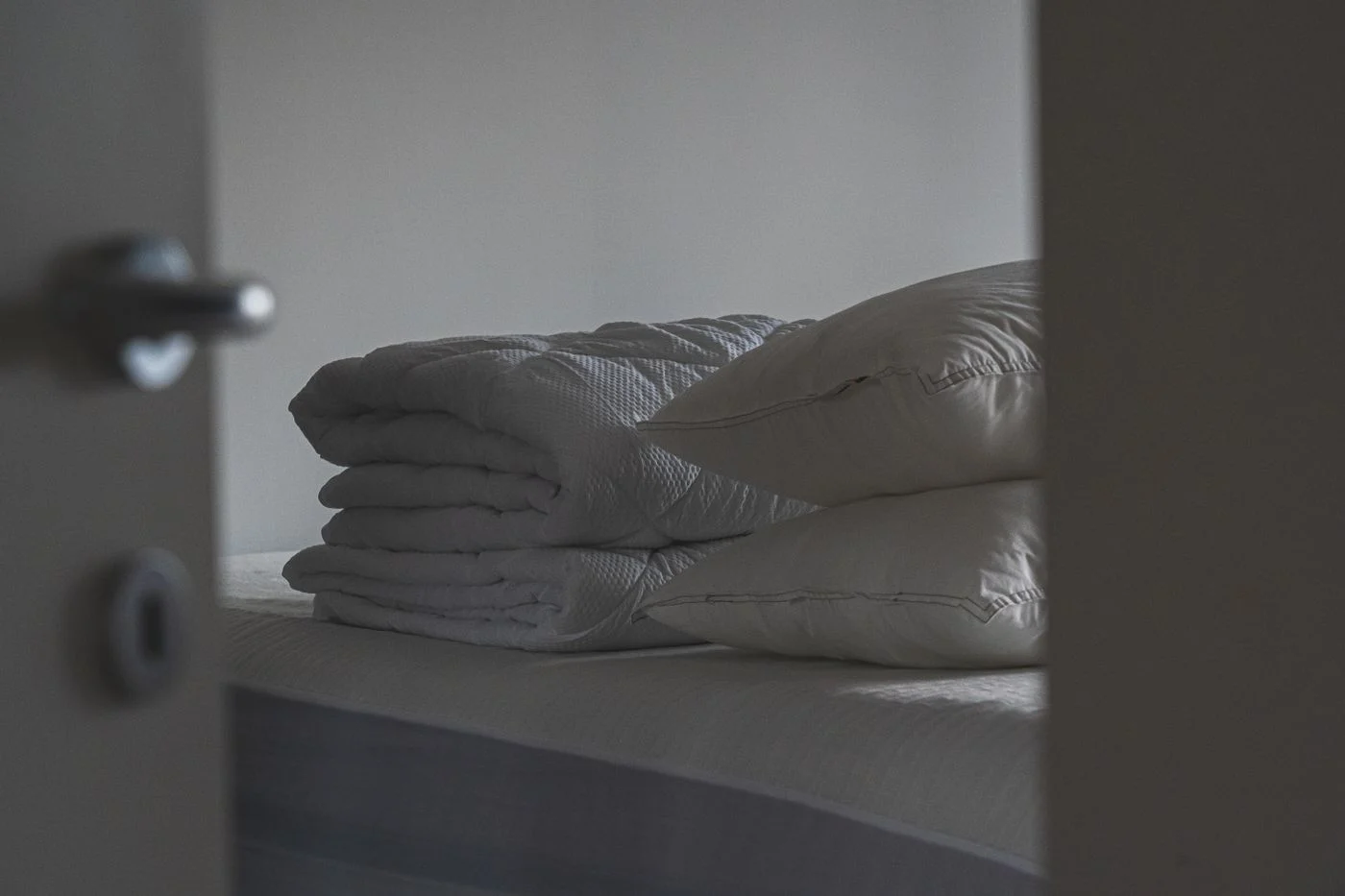 Storage & organisation
Keeping bed linen in sets saves searching for matching sizes. The pieces first need to be identified correctly.
Read article ↗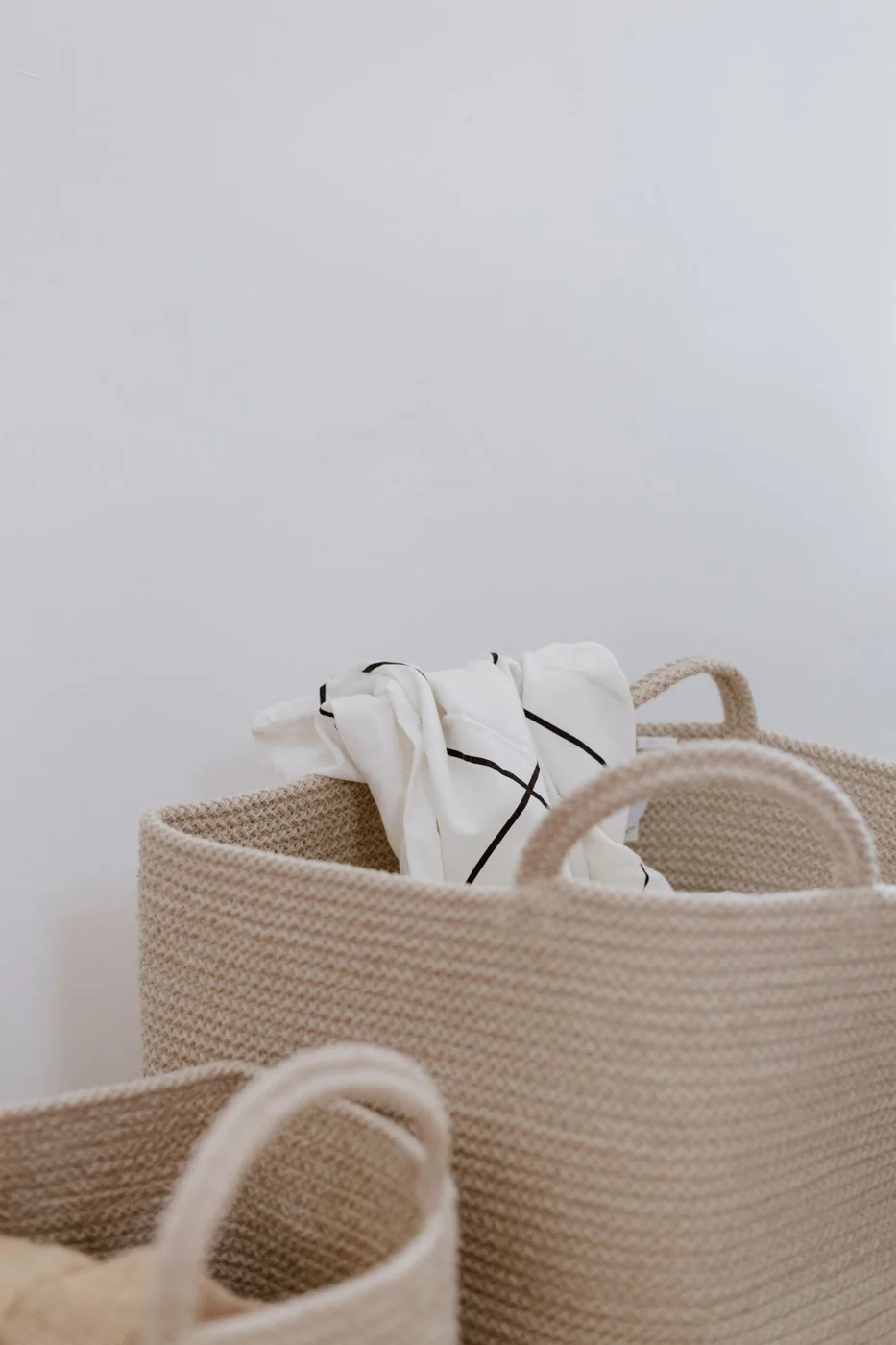 Storage & organisation
A winter duvet needs a dry, protected place between seasons. Its filling determines suitable preparation and packaging.
Read article ↗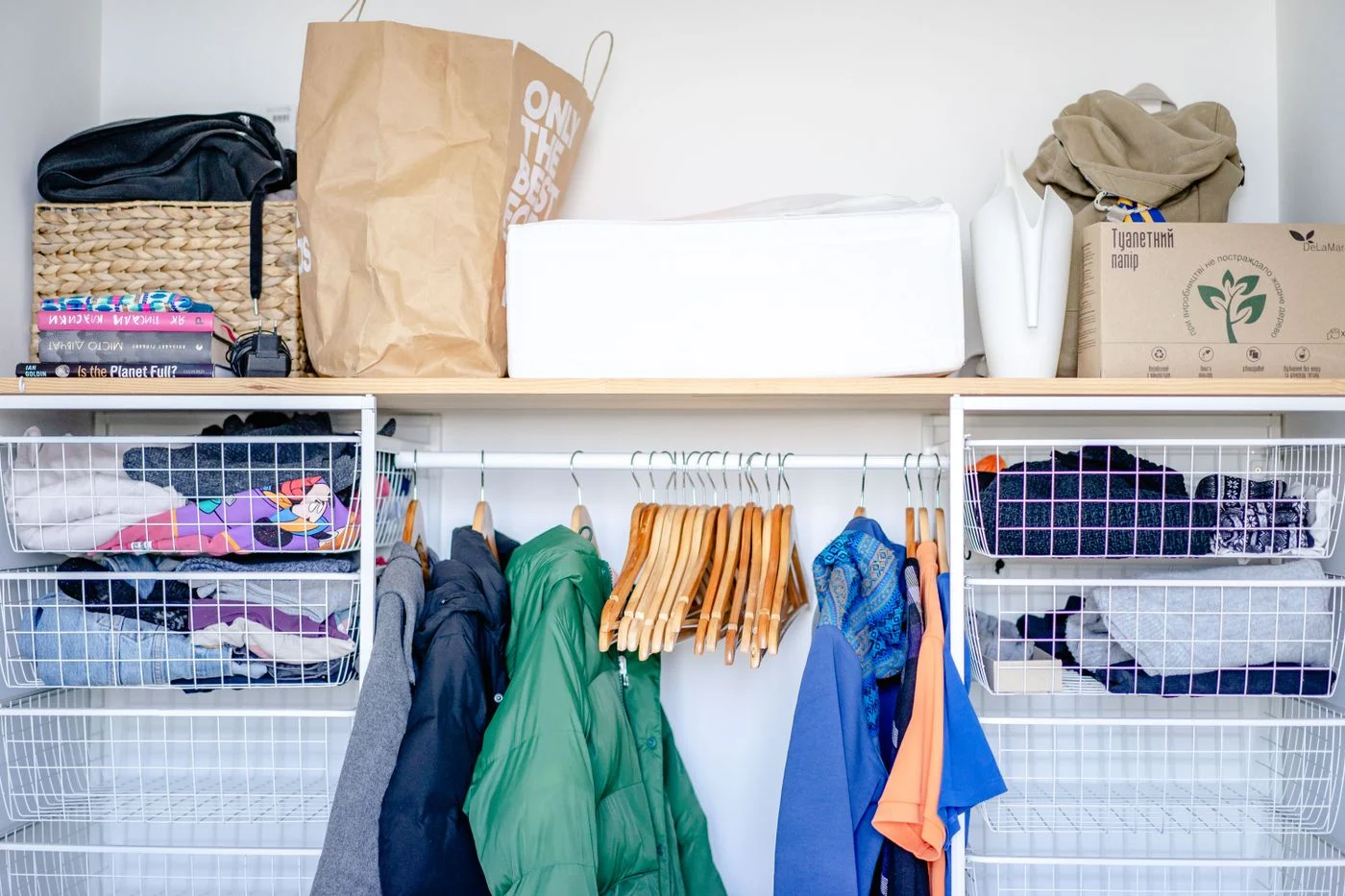 Storage & organisation
A wardrobe with few drawers can still be easy to use. Folded clothes need a different arrangement from hanging garments.
Read article ↗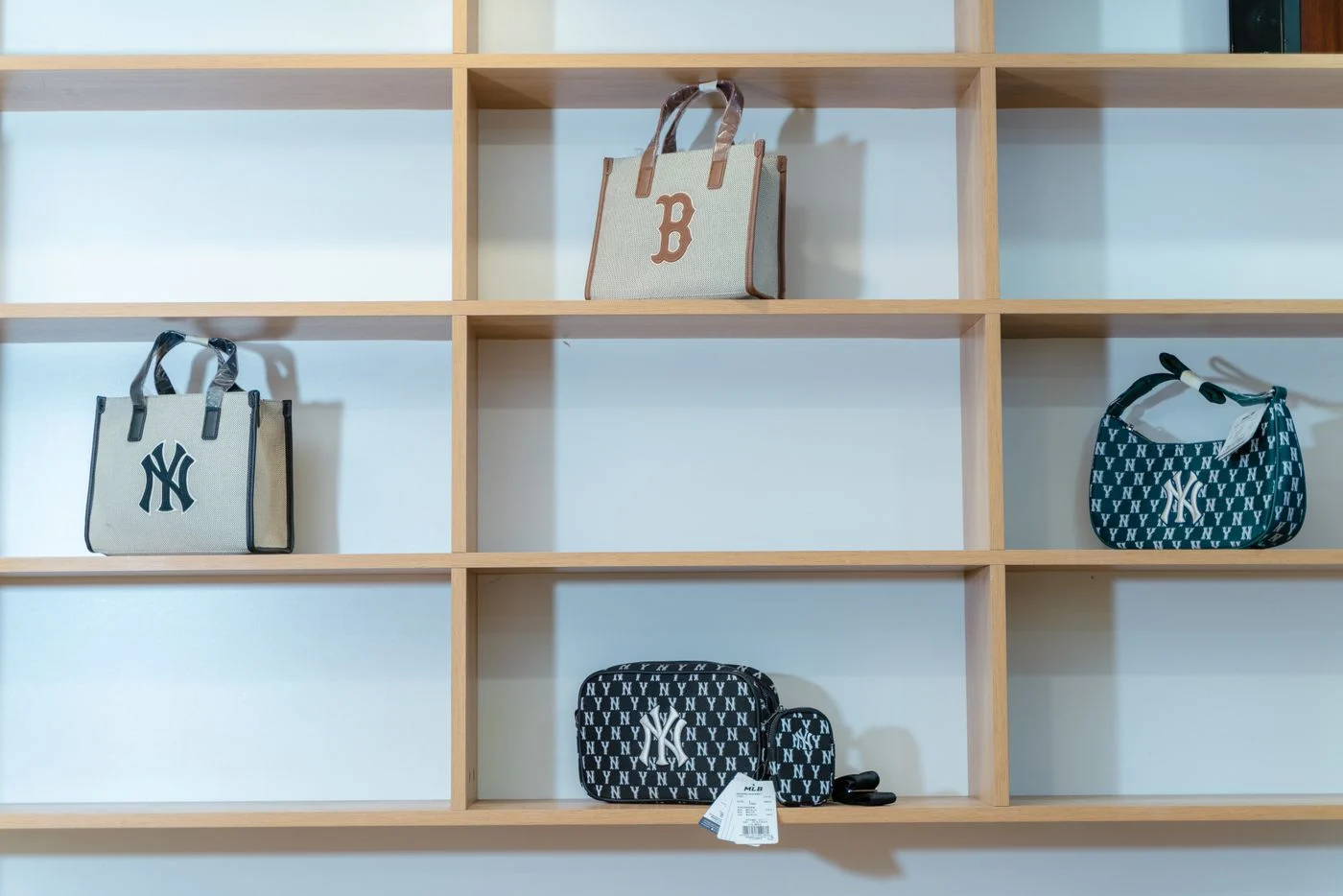 Storage & organisation
Bags differ in material, structure and shape. Suitable storage supports those qualities rather than pressing every design as flat as possible.
Read article ↗ Storage & organisation
Storing seasonal clothes can release space in the everyday wardrobe. The changeover is also an opportunity to review condition and actual need.
Read article ↗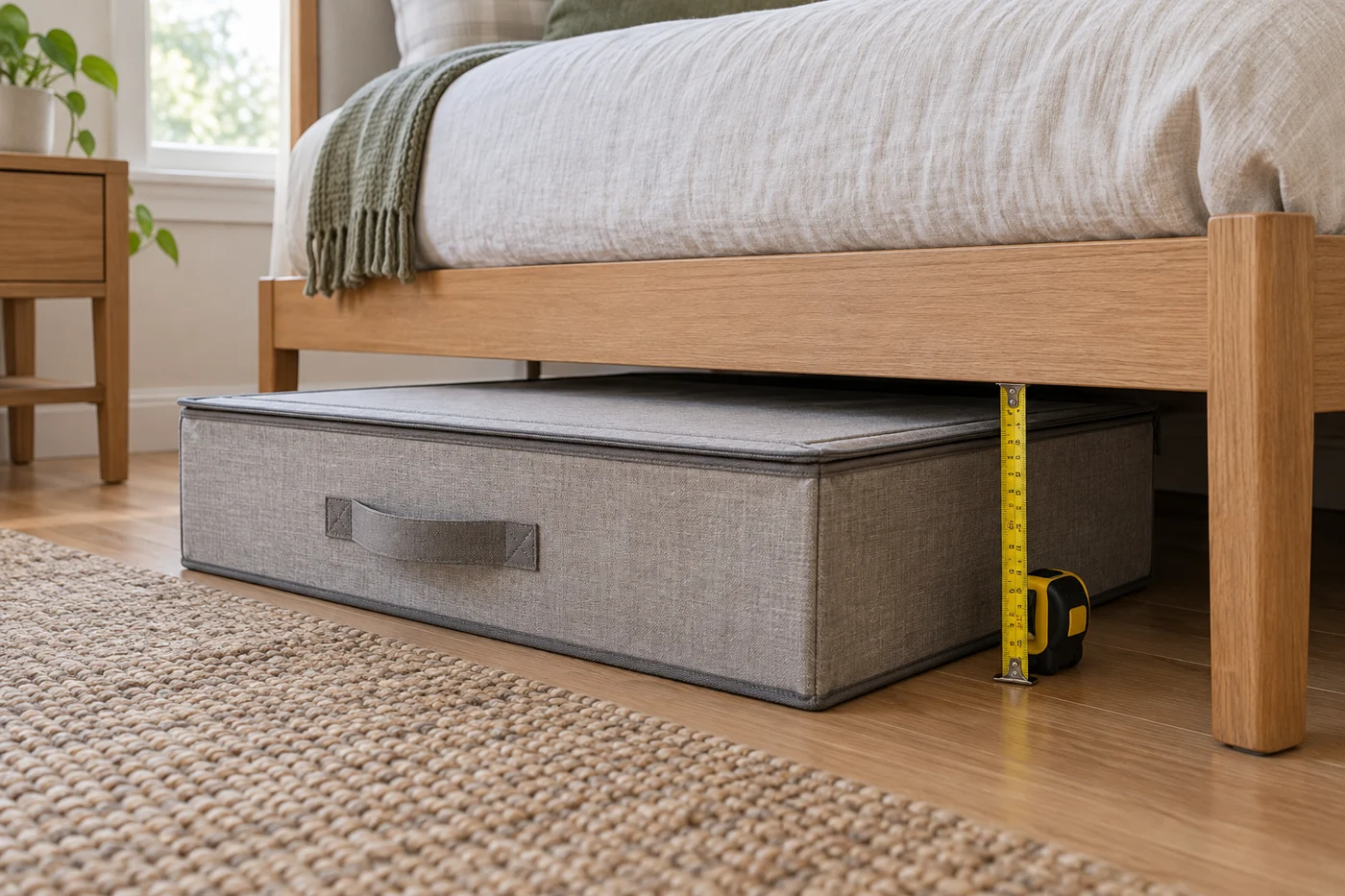 Storage & organisation
Under-bed boxes fit only if they pass beneath the frame and internal supports. The visible clearance at the edge is just the starting point.
Read article ↗ Storage & organisation
Books need adequately supported shelves and an order that suits reading. In a small home, every volume is not equally useful in the same location.
Read article ↗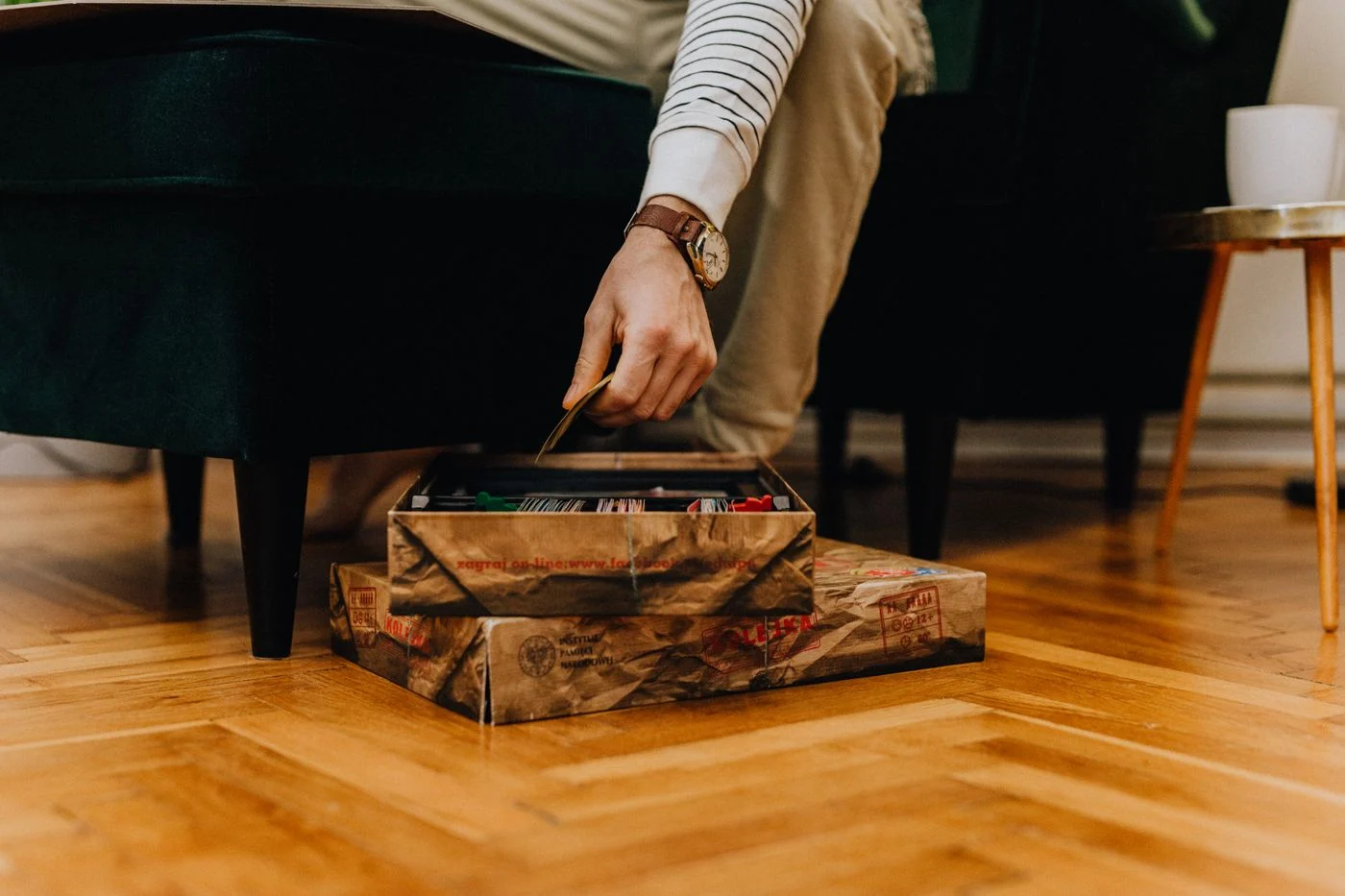 Storage & organisation
Board games stay usable when boxes, rules and small pieces remain together. Storage should support setting up a game rather than merely hide its packaging.
Read article ↗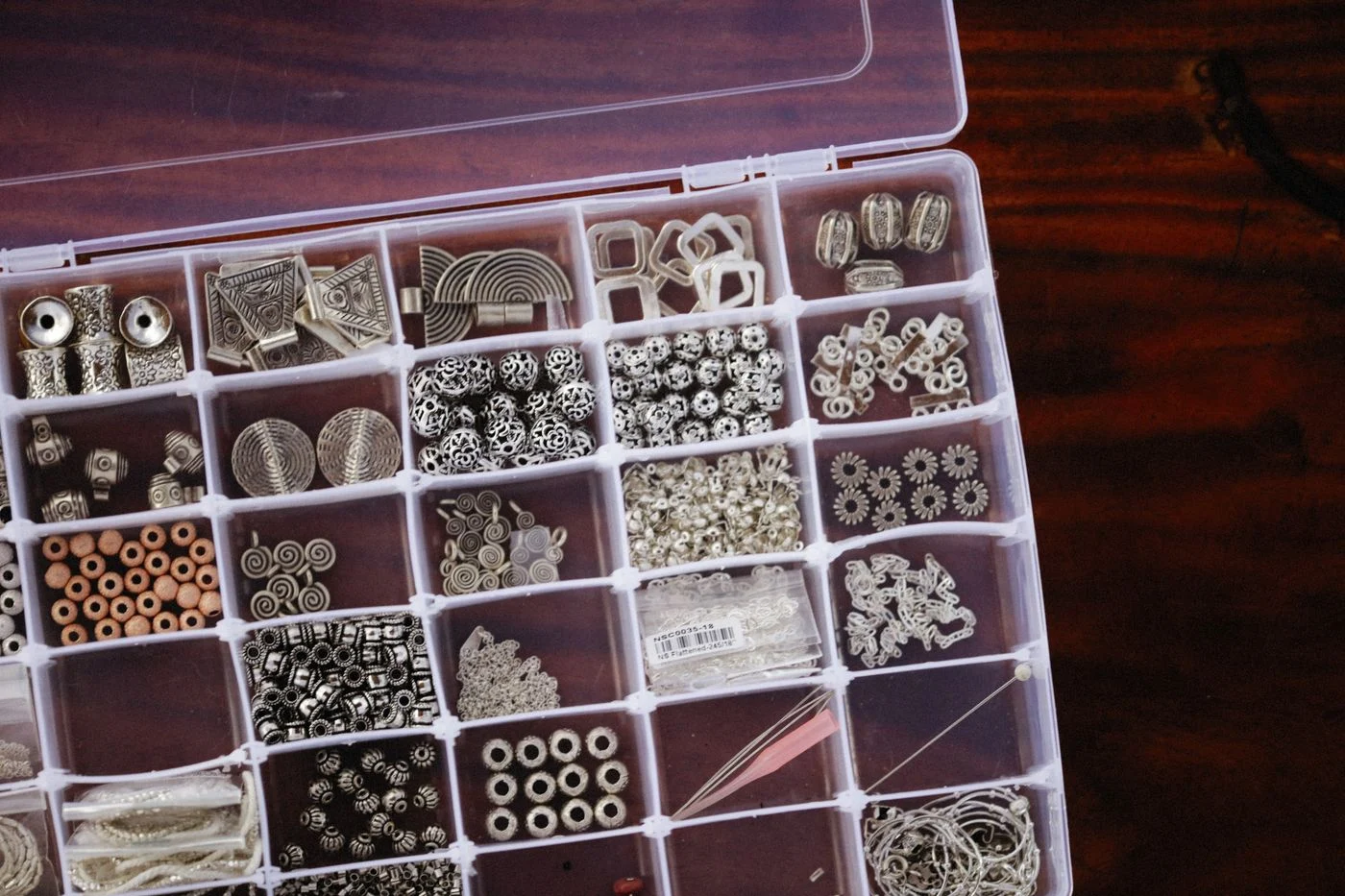 Storage & organisation
Portable craft boxes let a project use the dining table without keeping supplies there permanently. Each box should hold either one project or a clearly defined material group.
Read article ↗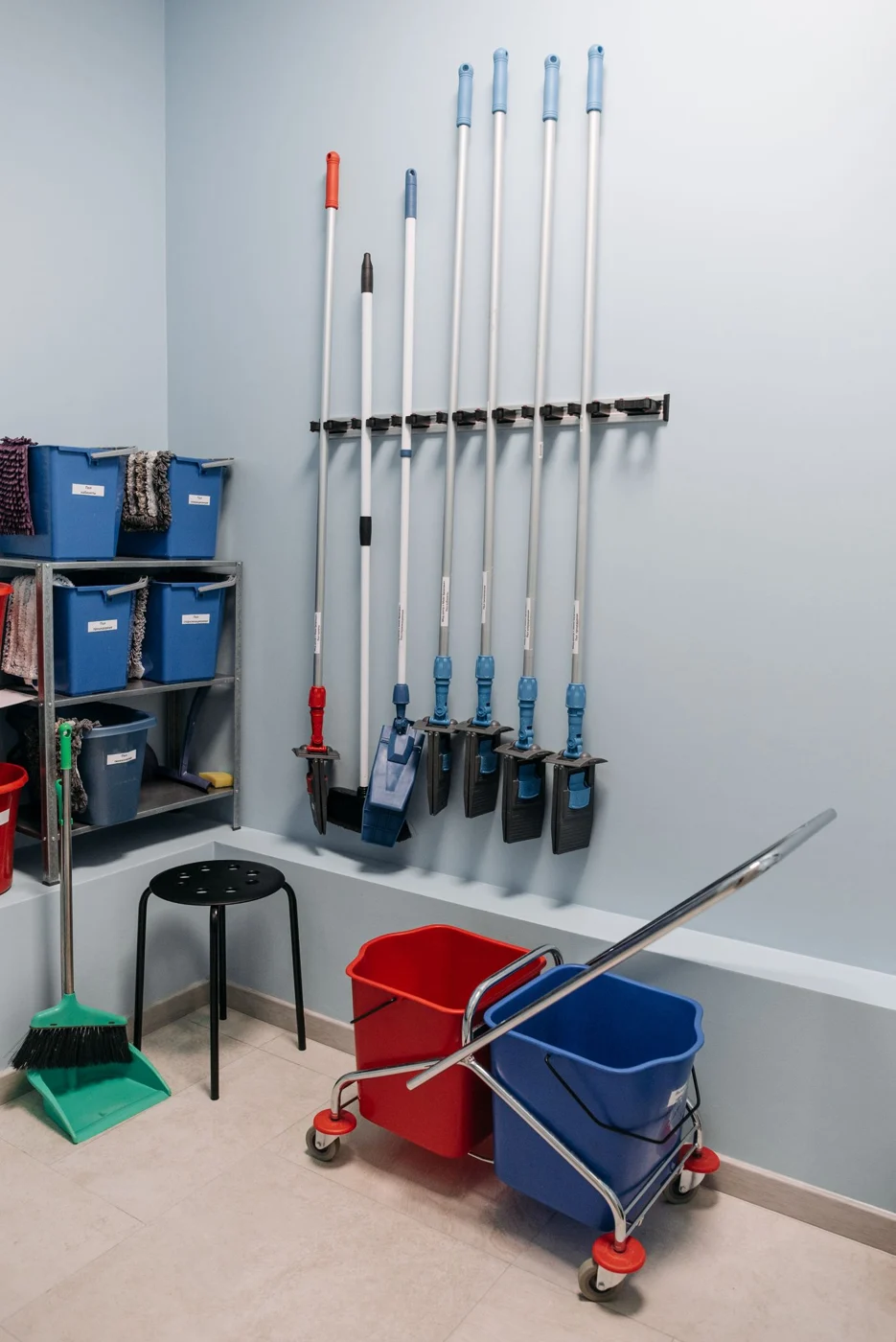 Storage & organisation
Cleaning equipment is easier to use when dry supplies, used cloths and tools have separate places. One large bucket rarely handles all those roles well.
Read article ↗ Storage & organisation
A paper stock list can prevent duplicate purchases if it tracks only the things that are genuinely difficult to keep in view.
Read article ↗ Storage & organisation
Cables and chargers should remain identifiable by function. Matching connector shapes alone do not establish identical use.
Read article ↗ Storage & organisation
Suitcases need a dry place between journeys and an accessible opening. They may hold additional belongings, but should not become forgotten cupboards.
Read article ↗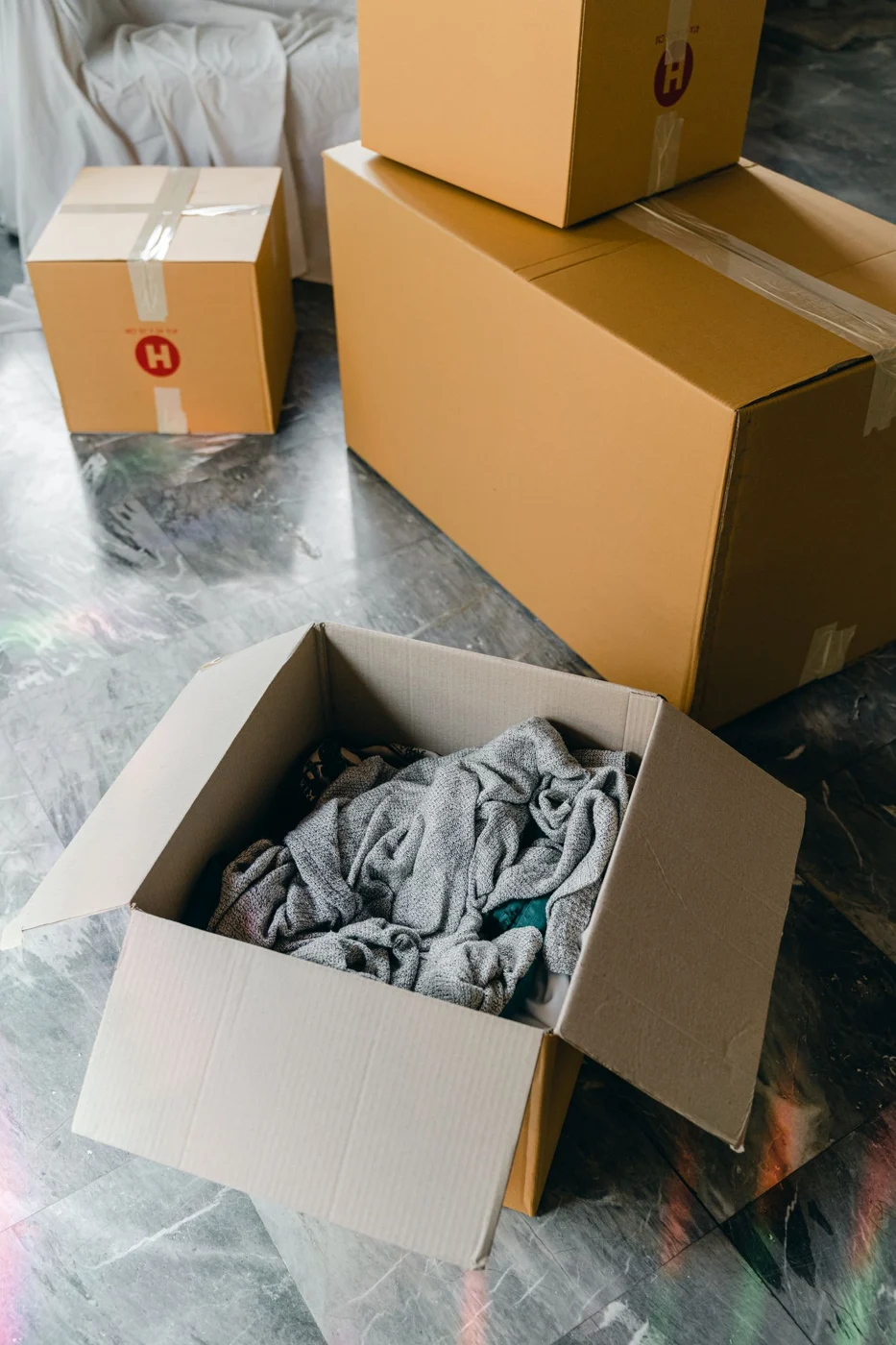 Storage & organisation
Empty packaging needs a concrete reason to keep occupying space. Transport, protection and unresolved decisions are different reasons and should be considered separately.
Read article ↗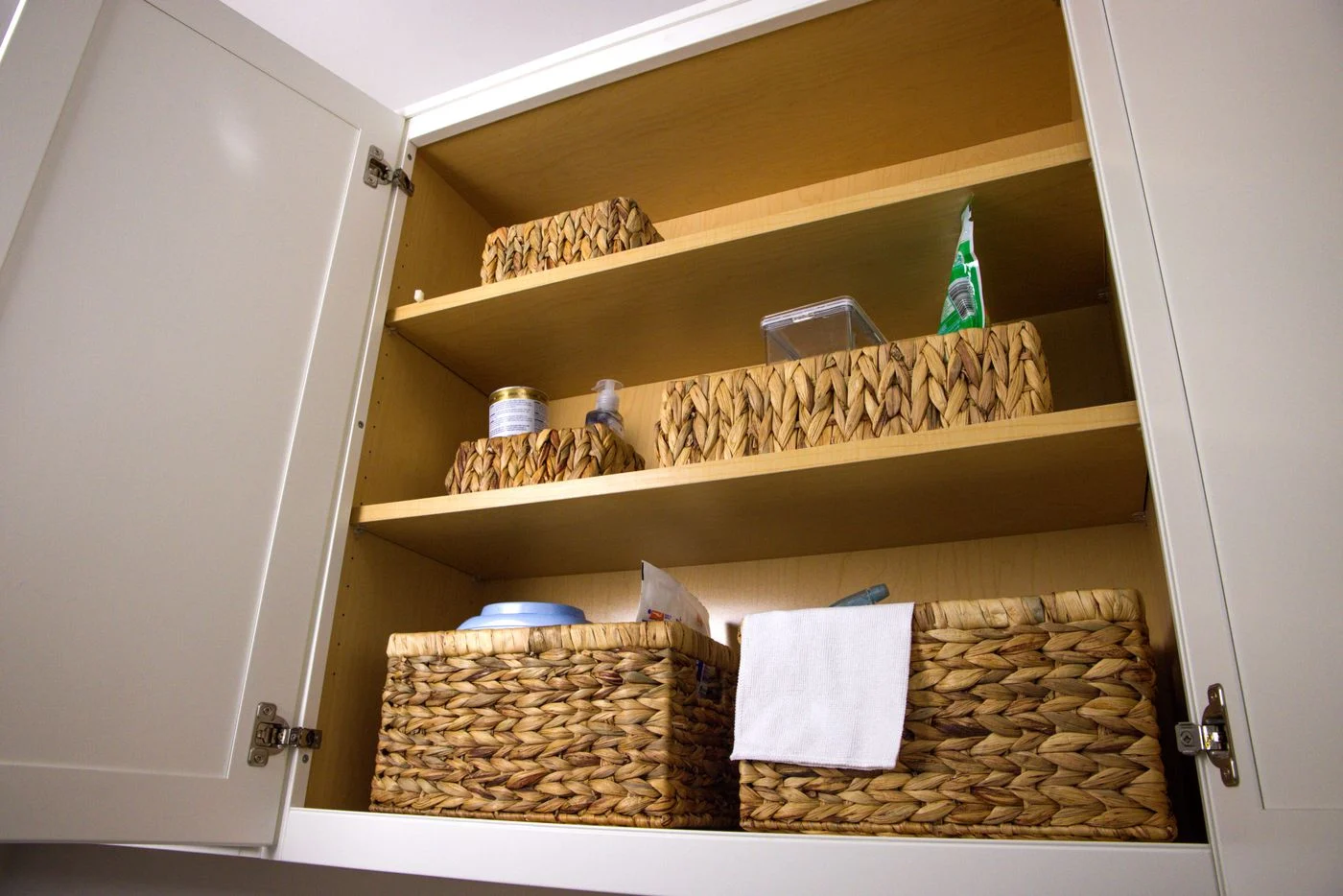 Storage & organisation
Planning shelving around existing boxes can use space well. Their external dimensions, retrieval and filled weight are the decisive details.
Read article ↗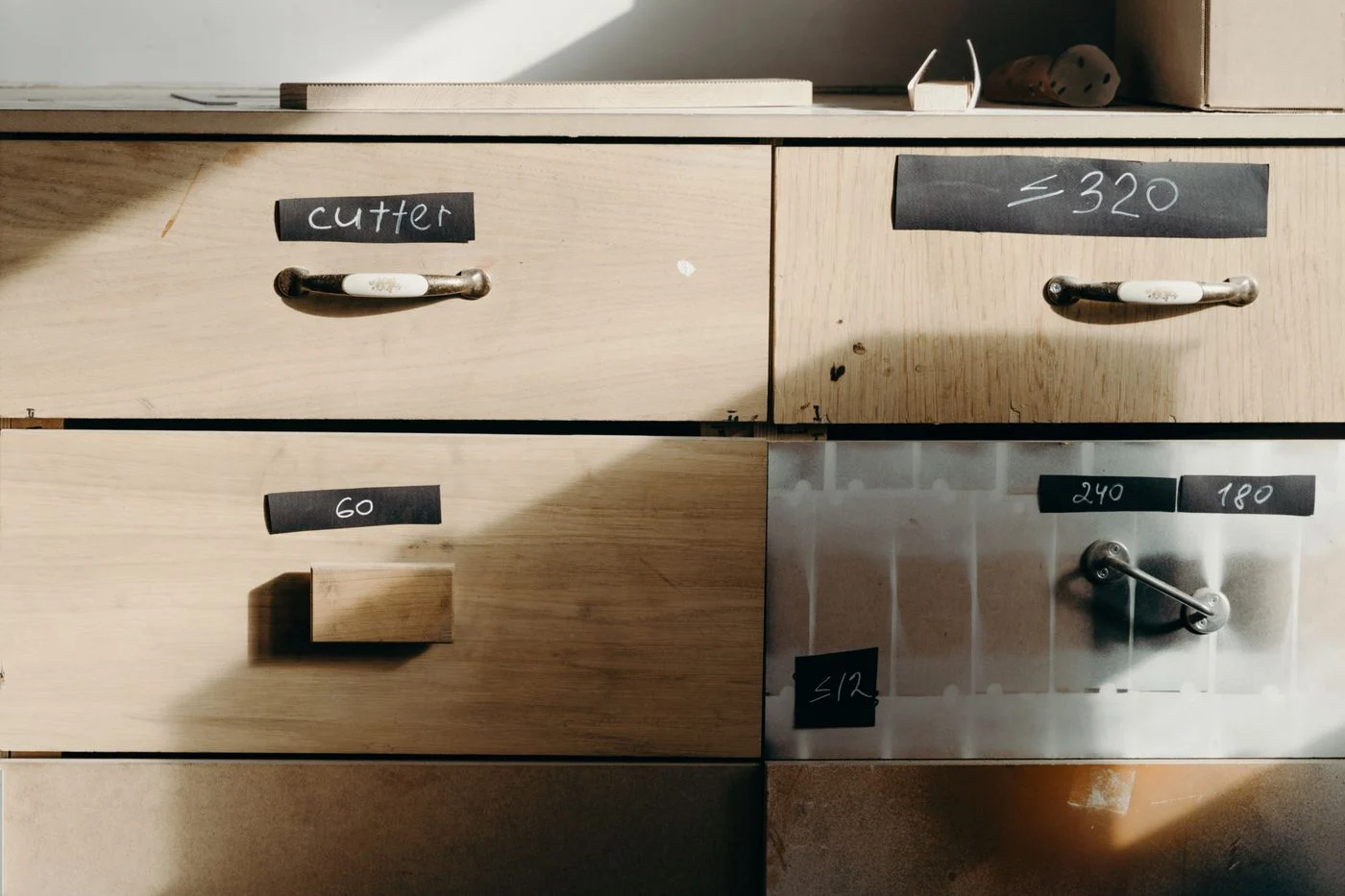 Storage & organisation
A label helps only when it answers a real retrieval question. Keep labels short, visible and understandable to the people using them.
Read article ↗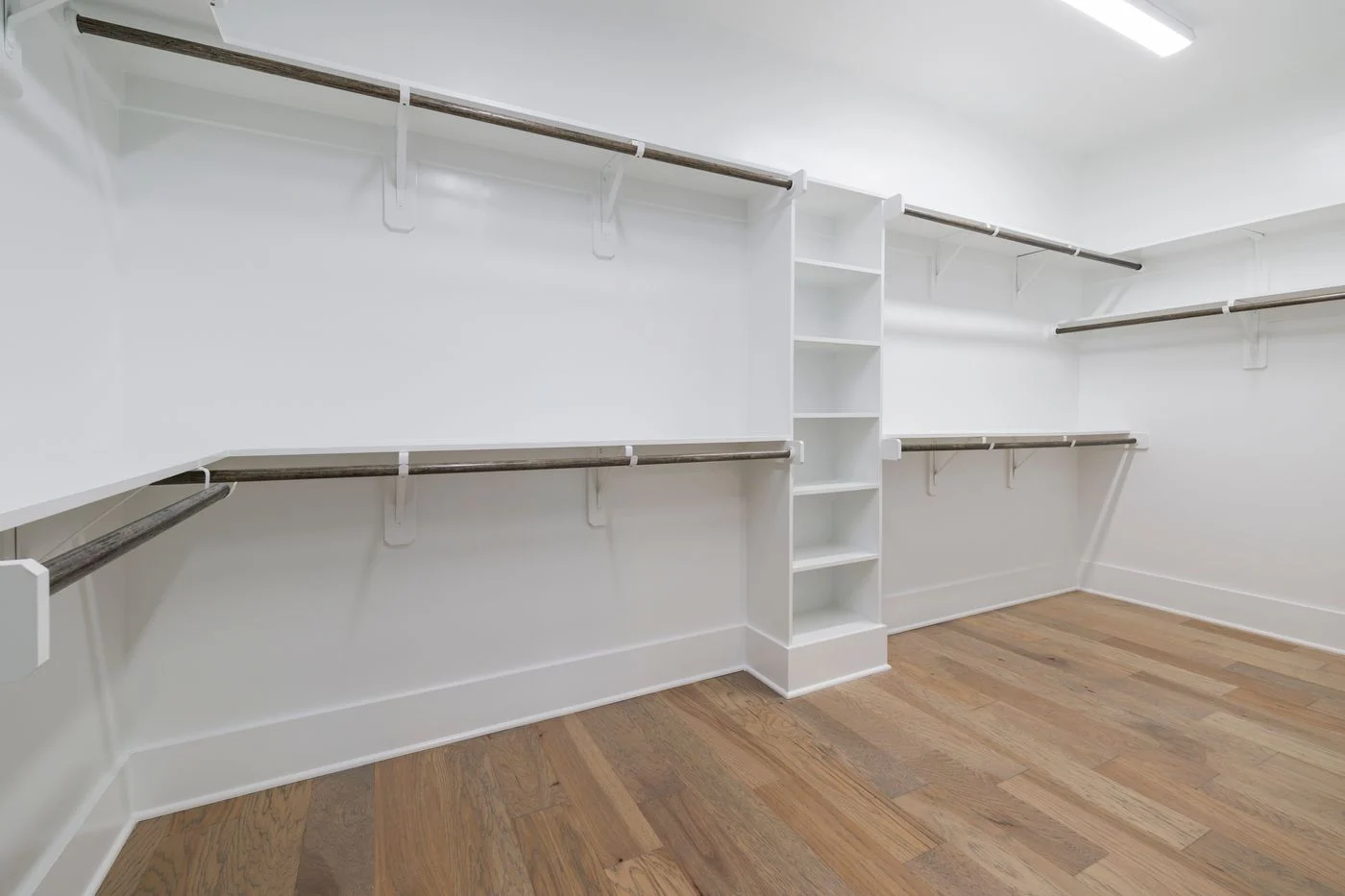 Storage & organisation
A storage cupboard needs a workable retrieval sequence. Maximum capacity has little value if several objects must move to reach one.
Read article ↗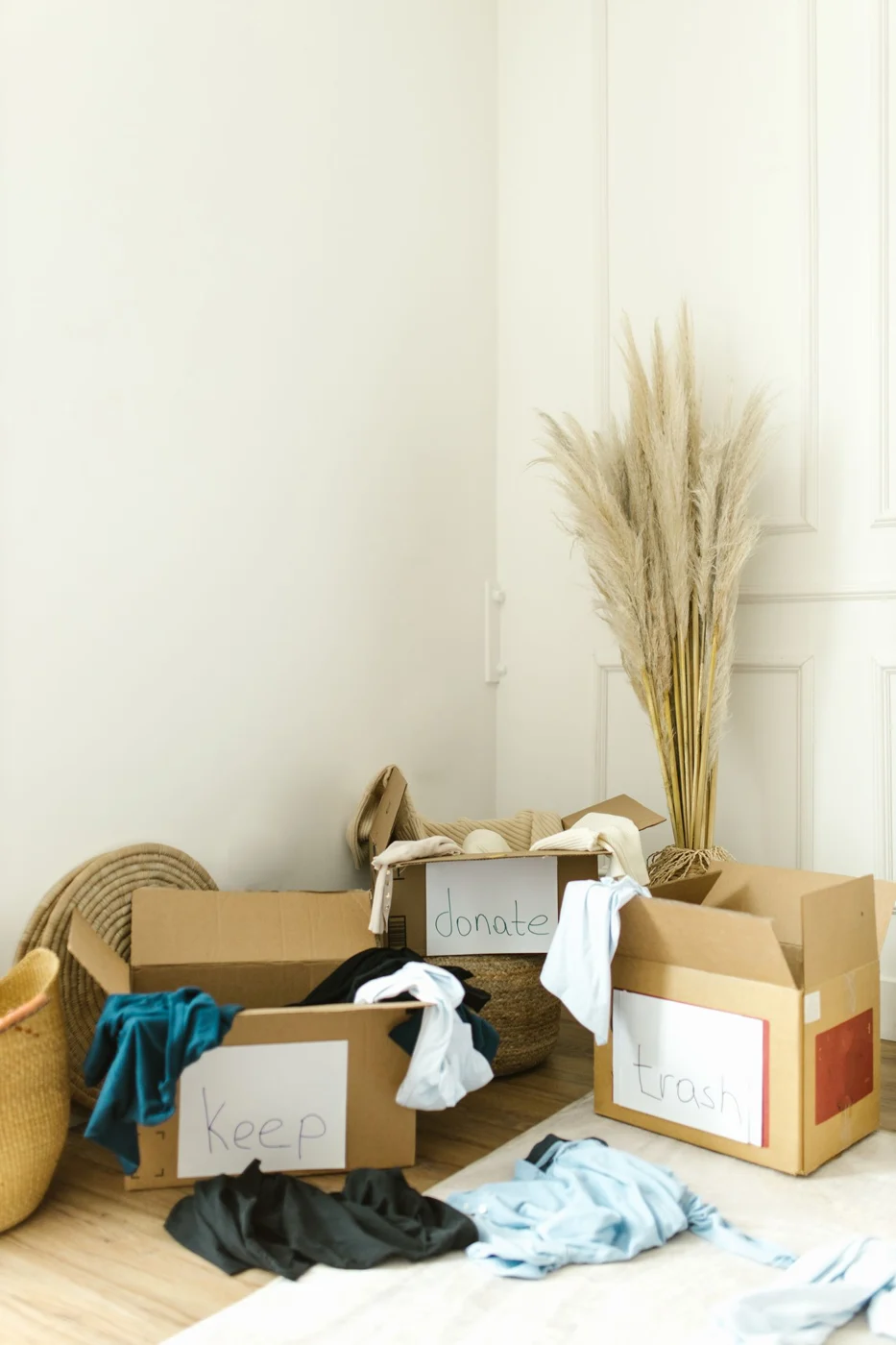 Storage & organisation
Shared belongings need locations known to more than one person. A simple allocation helps more than a system that constantly needs explaining.
Read article ↗ Light & textiles
Let light follow separate activities without giving every part of the room the same brightness.
Read article ↗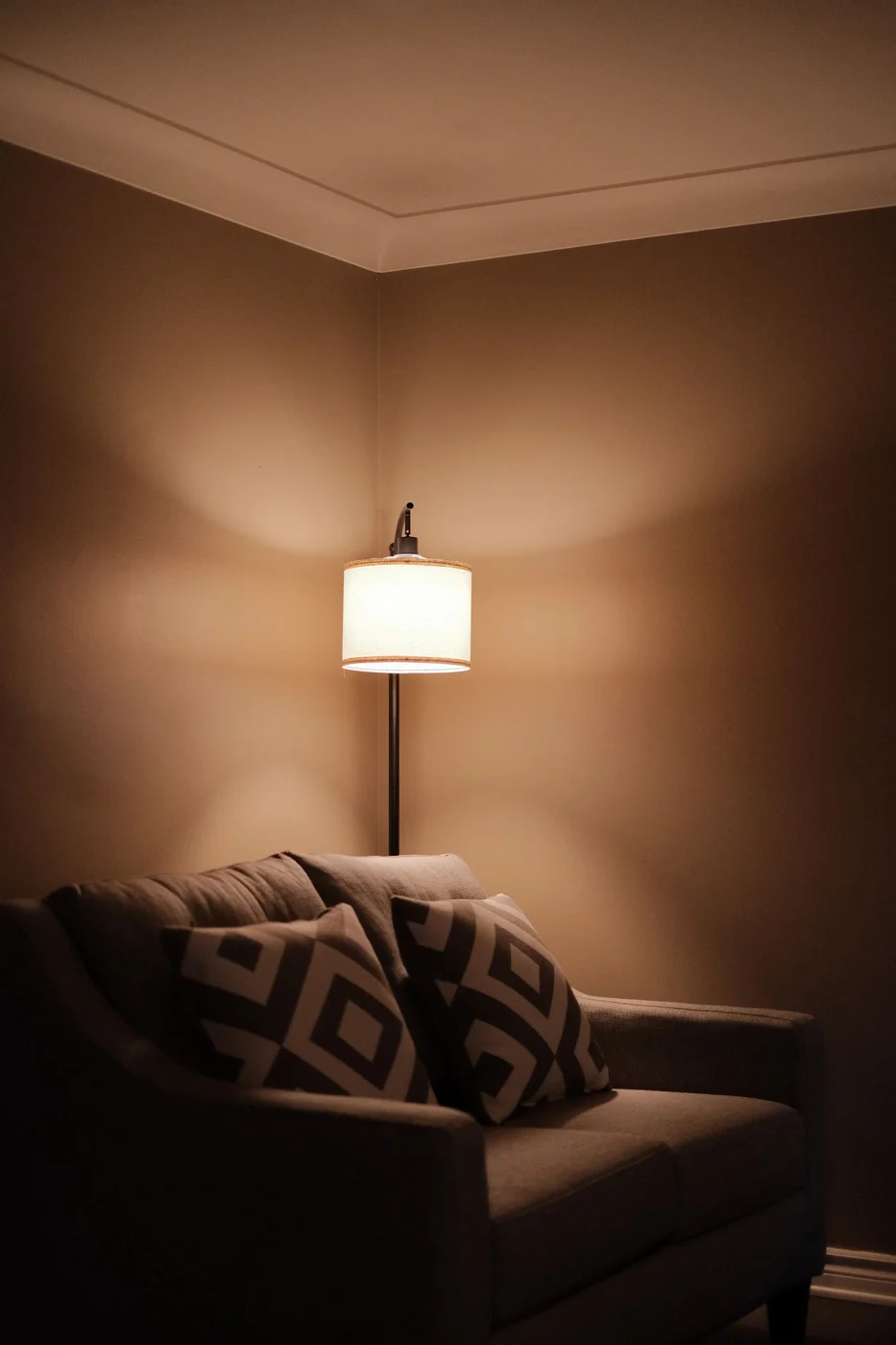 Light & textiles
The useful position depends on the reader, the page and the sightline, not just the height of the lamp.
Read article ↗ Light & textiles
Kelvin, lumens and the surfaces already in the room tell you different things.
Read article ↗ Light & textiles
A shade directs, screens and spreads light; its effect becomes clear with the lamp switched on.
Read article ↗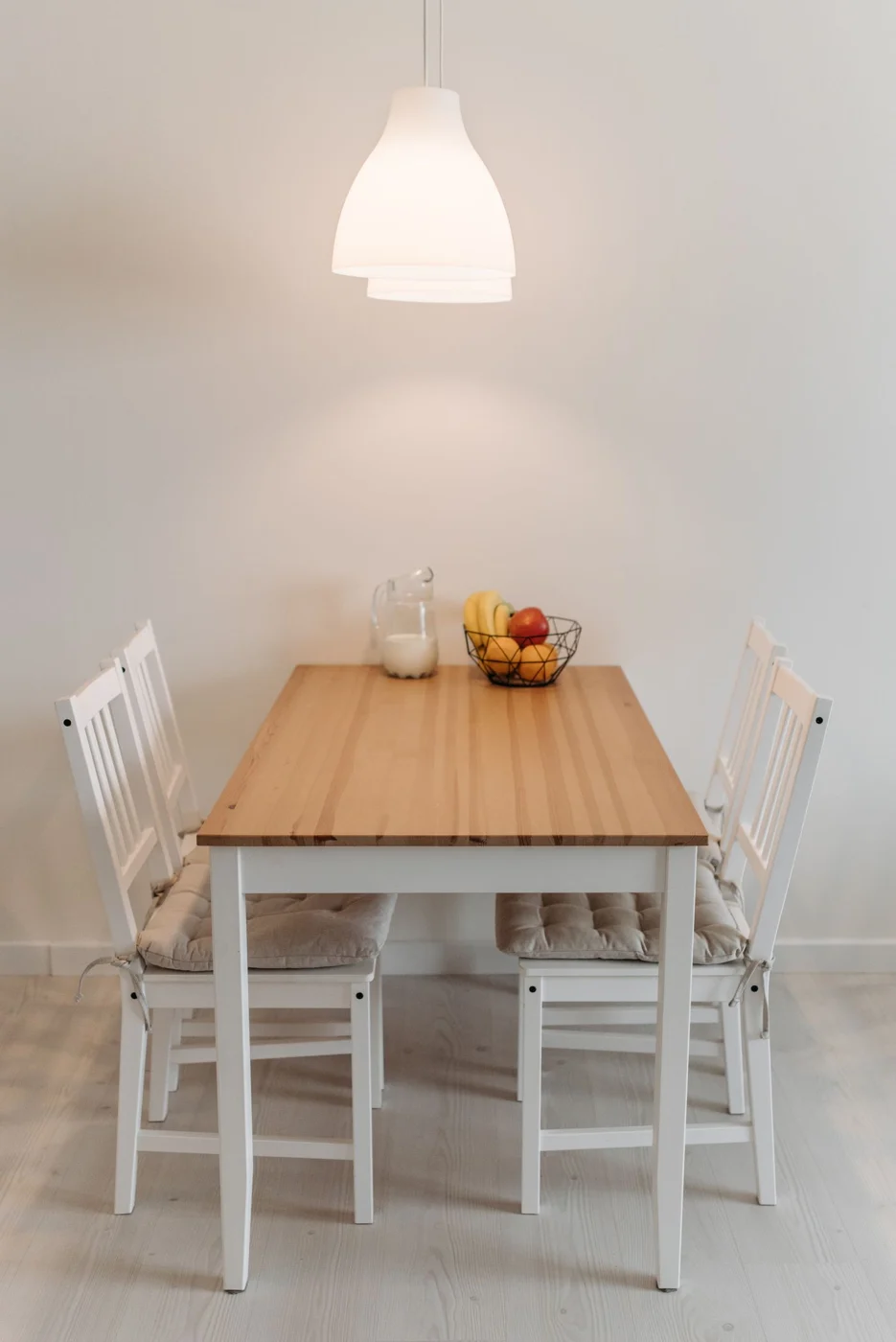 Light & textiles
Plan around the table position, seated sightlines and any extension leaves together.
Read article ↗ Light & textiles
Find the source of the discomfort before changing brightness or position.
Read article ↗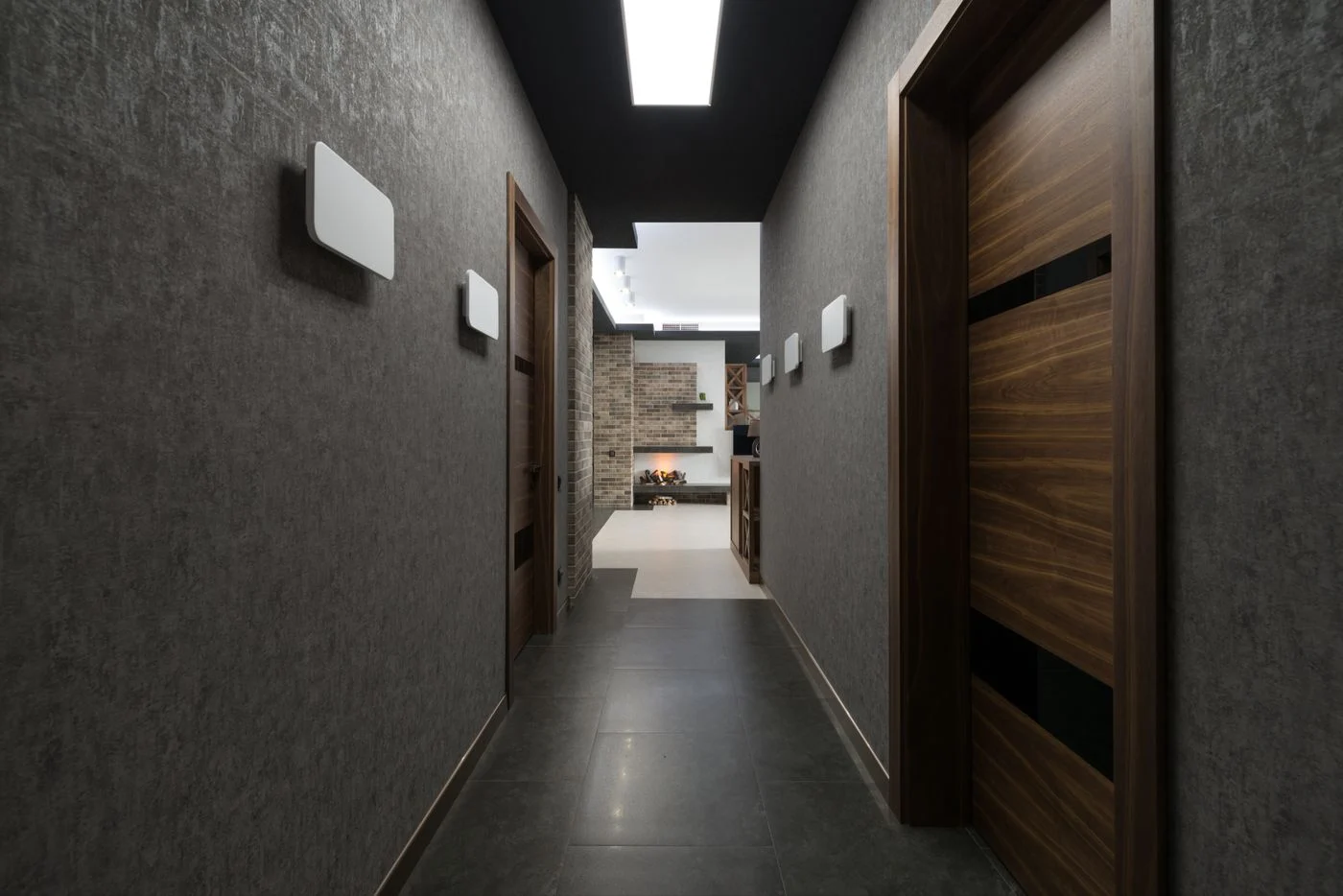 Light & textiles
A hallway needs visible routes, usable landing places and accessible switches.
Read article ↗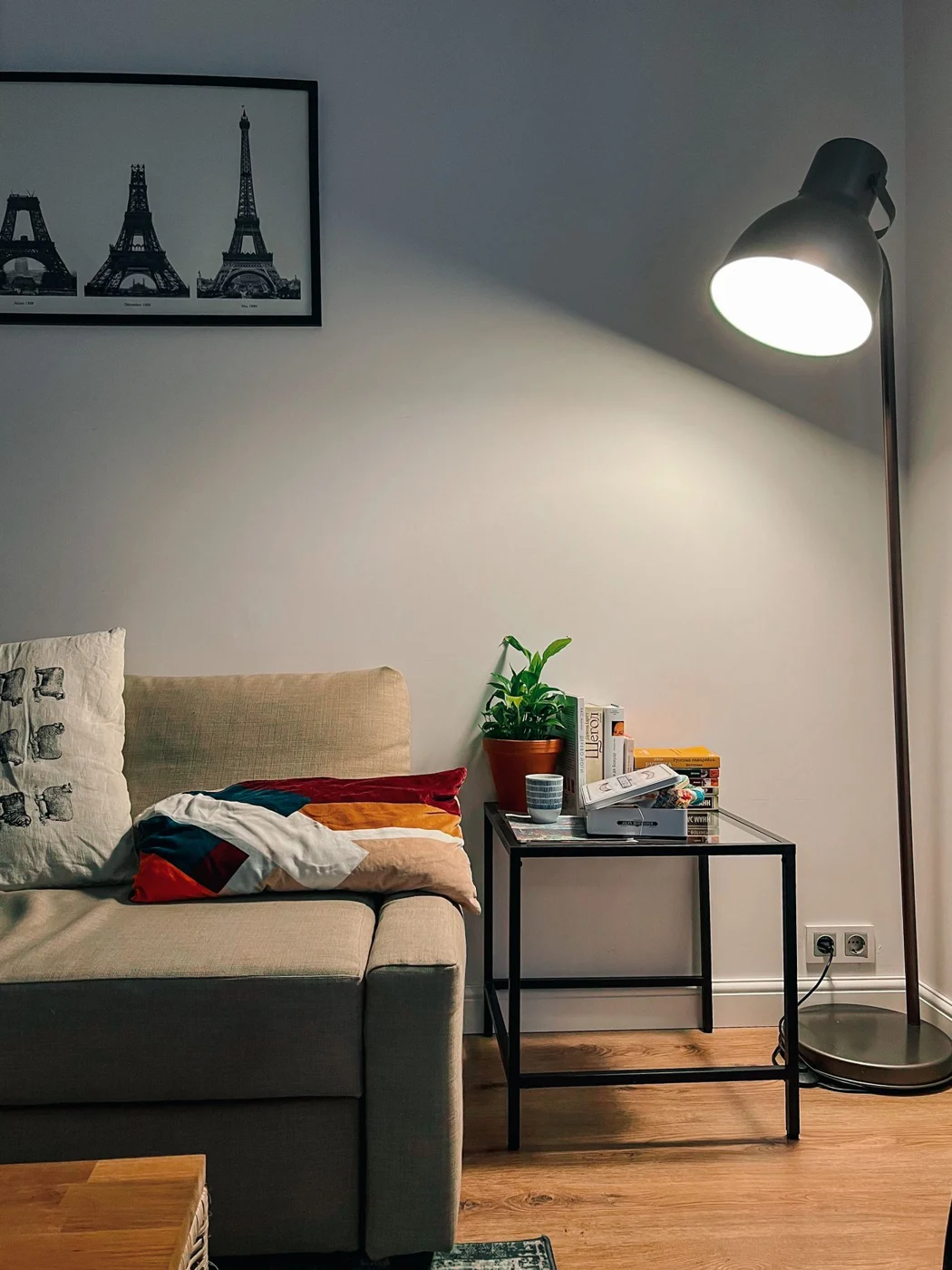 Light & textiles
Start a floor-lamp position with the socket, base and walking route.
Read article ↗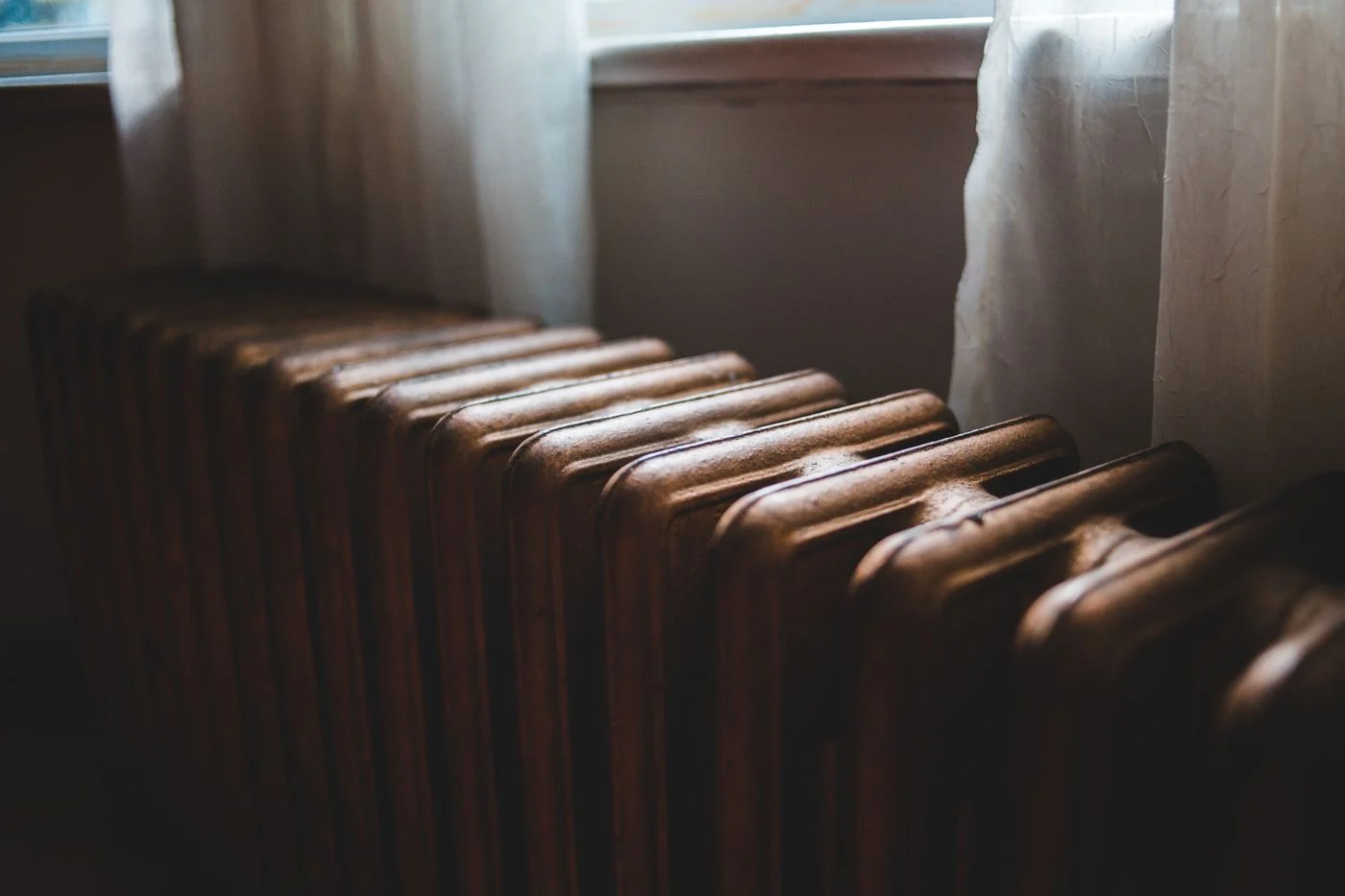 Light & textiles
Consider the radiator and curtain length together before cutting the fabric.
Read article ↗ Light & textiles
Curtain length is a decision about use, mounting and care.
Read article ↗ Light & textiles
Two fabric layers help when each can be moved independently and easily.
Read article ↗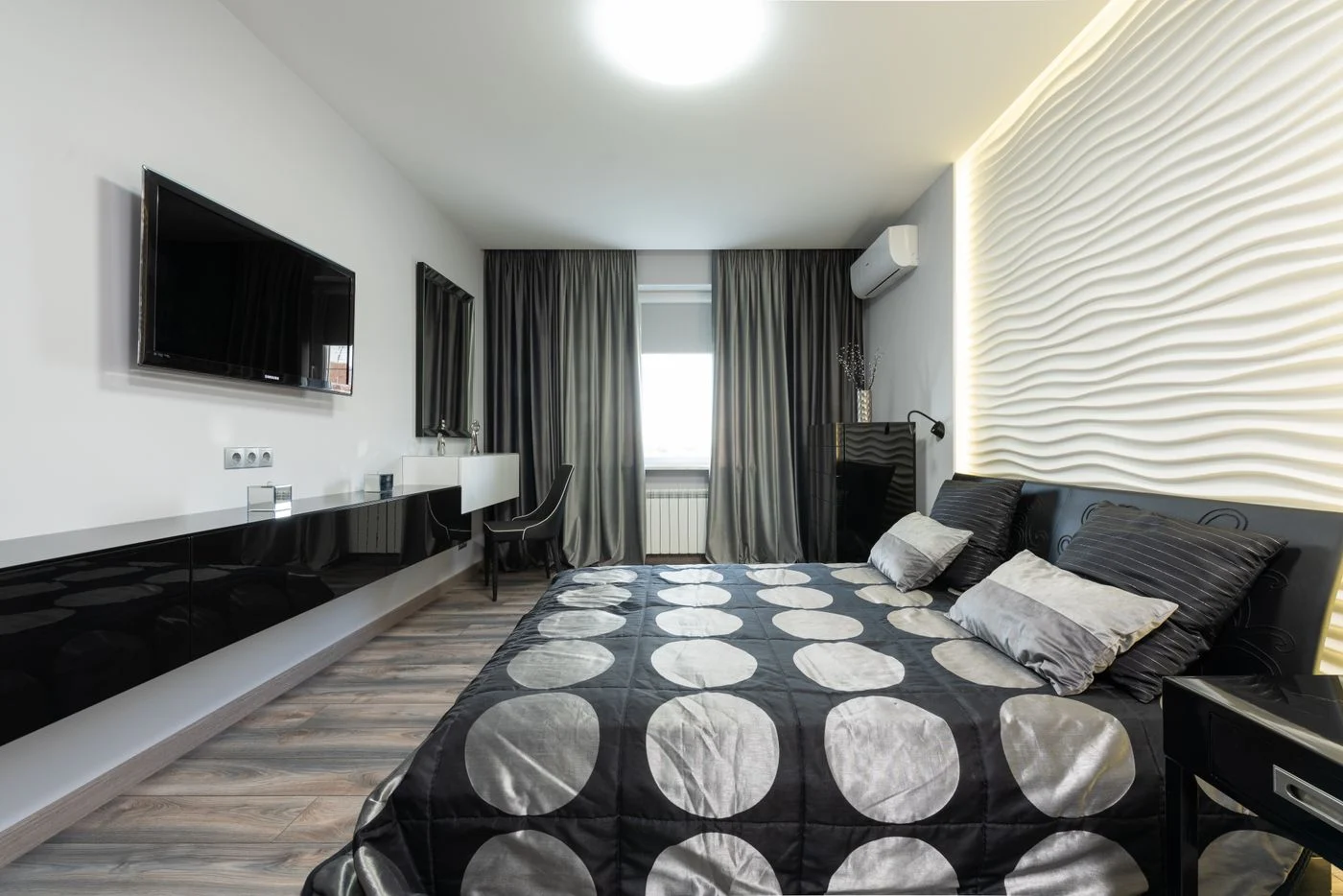 Light & textiles
Blackout depends on the fabric and its edges. First identify where the light enters.
Read article ↗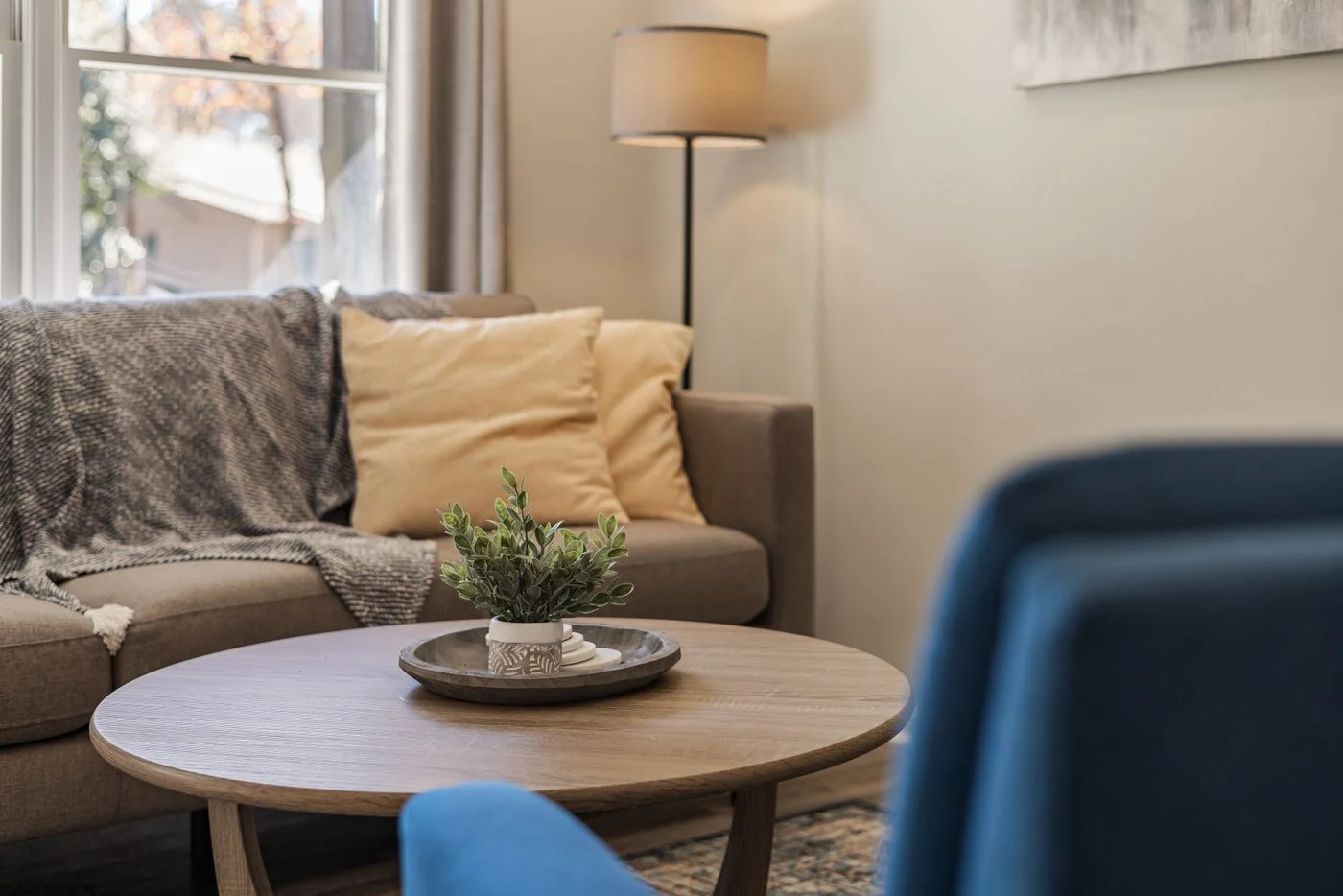 Light & textiles
A rug can connect the seating group while leaving its movement space usable.
Read article ↗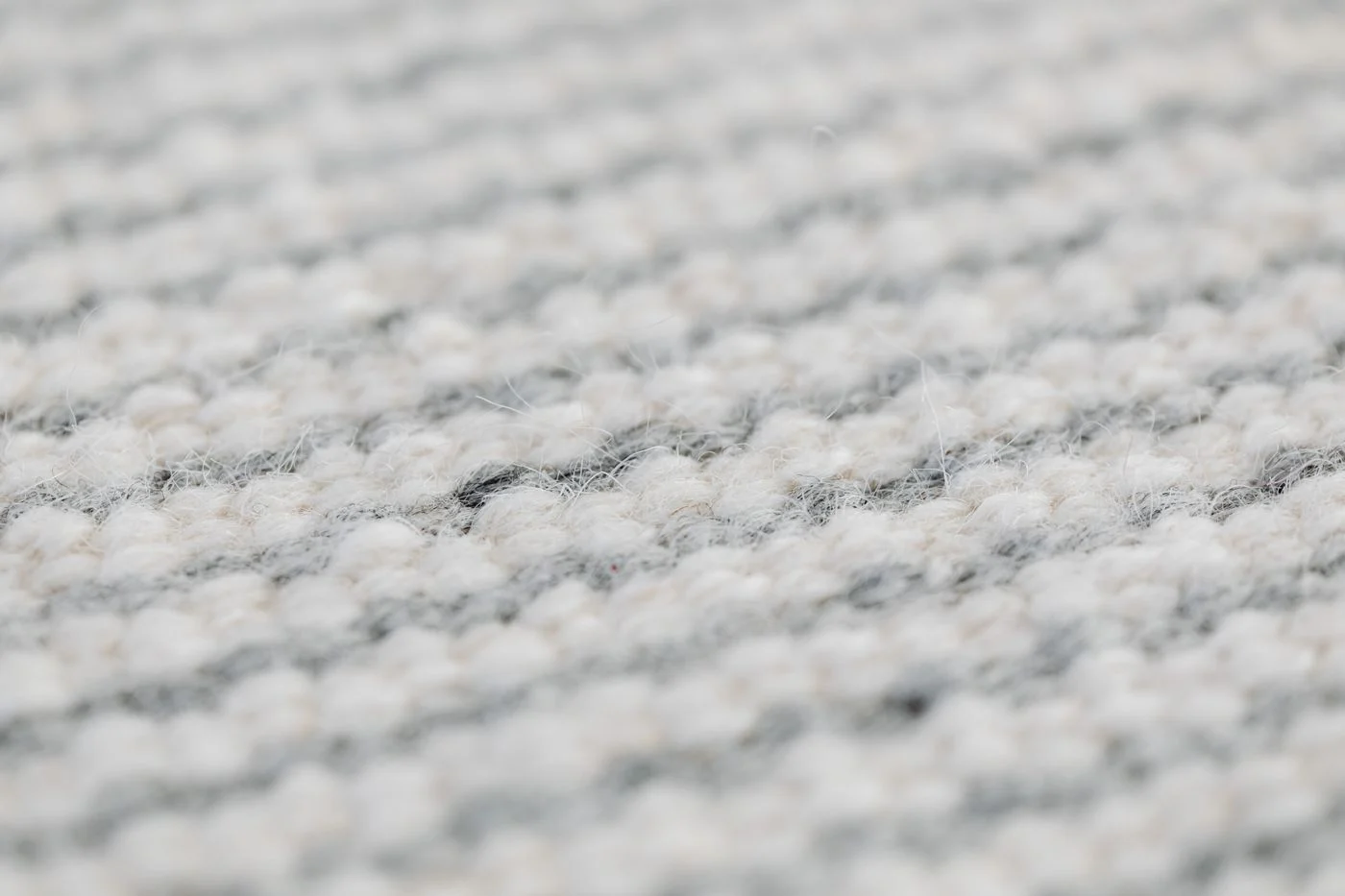 Light & textiles
Pile changes movement and cleaning as well as the feel underfoot.
Read article ↗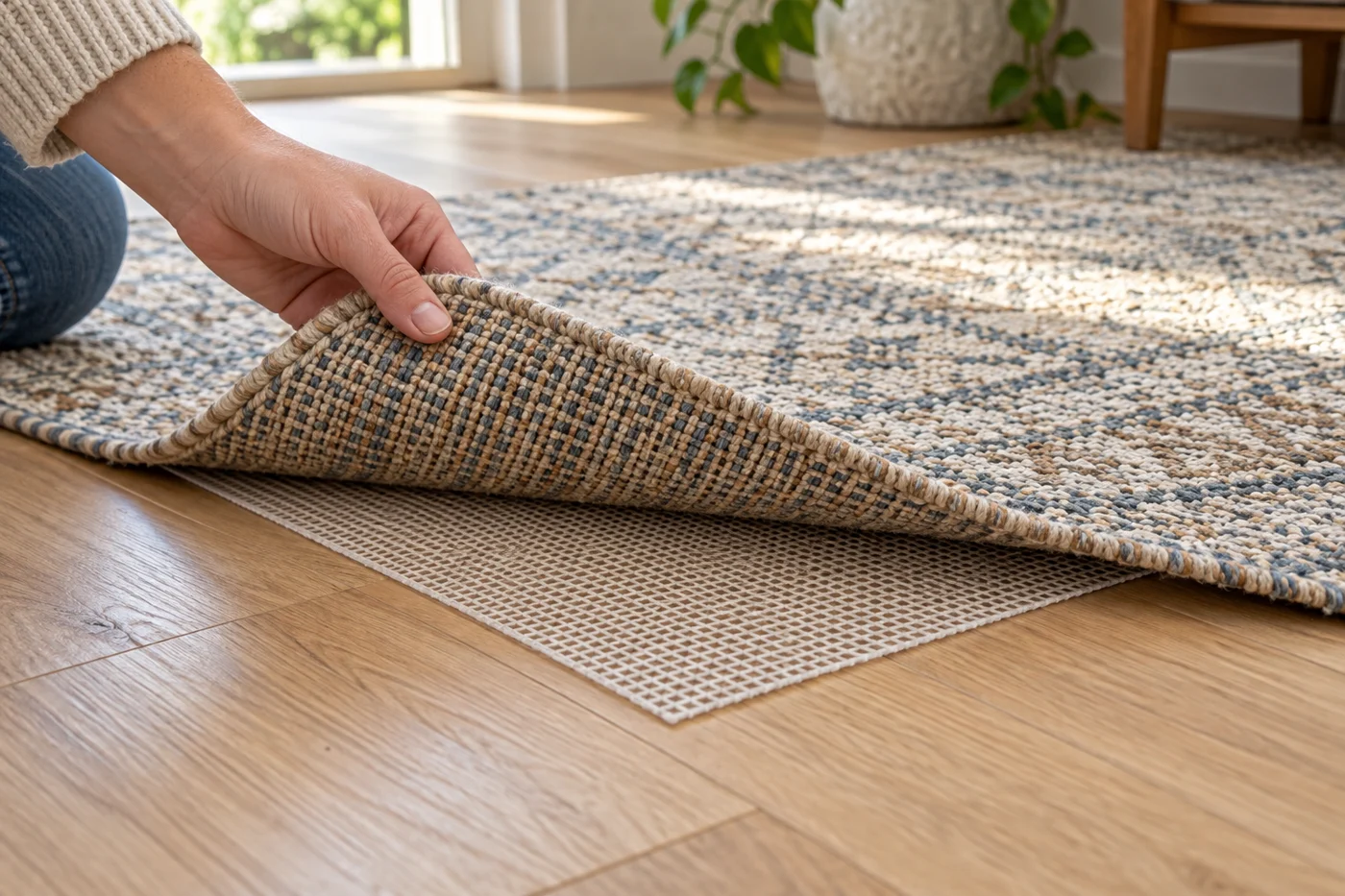 Light & textiles
An underlay needs a compatible floor and clean contact surfaces.
Read article ↗ Light & textiles
Existing colours provide a starting point without requiring every new cover to match exactly.
Read article ↗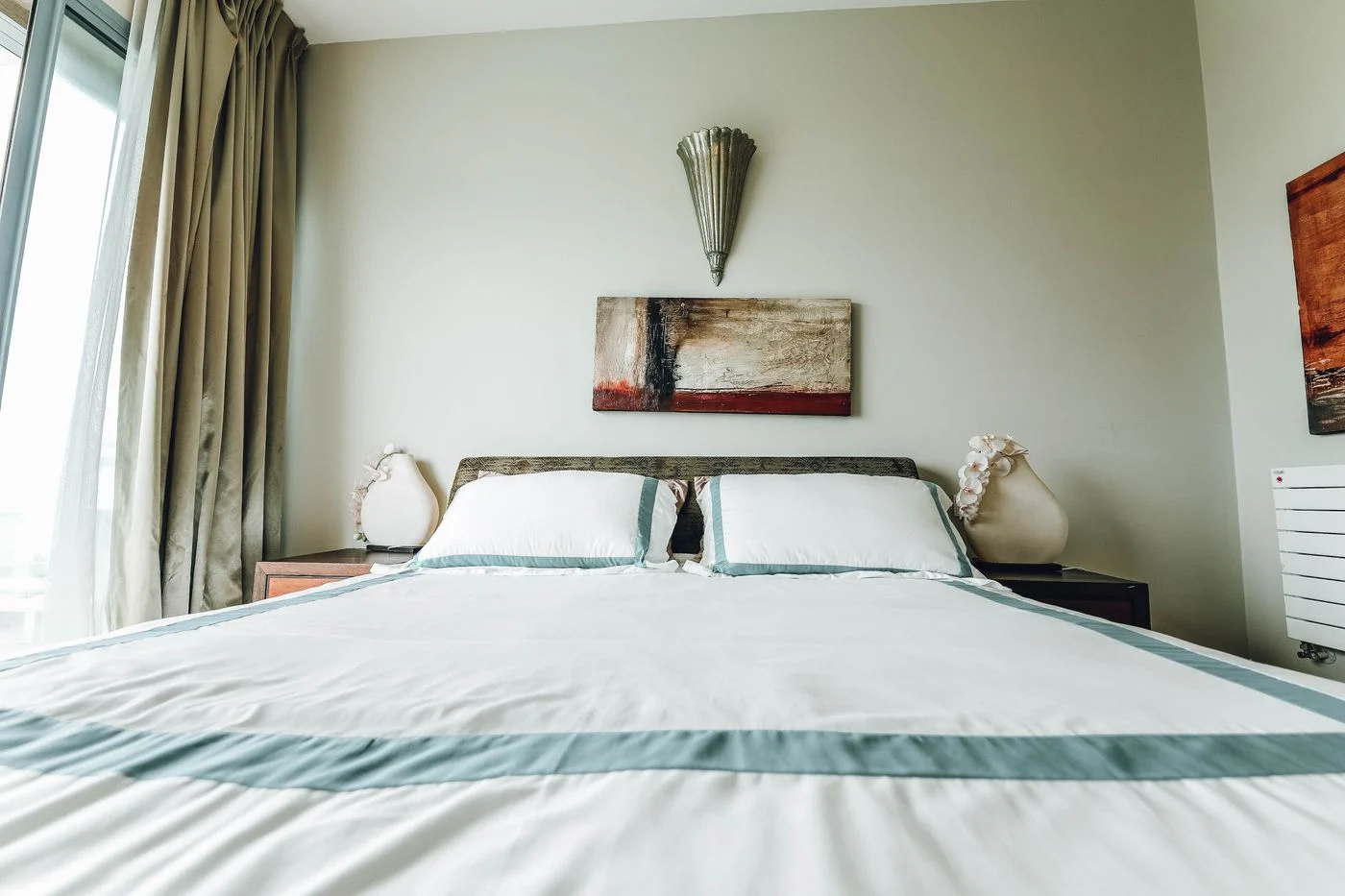 Light & textiles
A bedspread needs a place on the bed and another when it is removed at night.
Read article ↗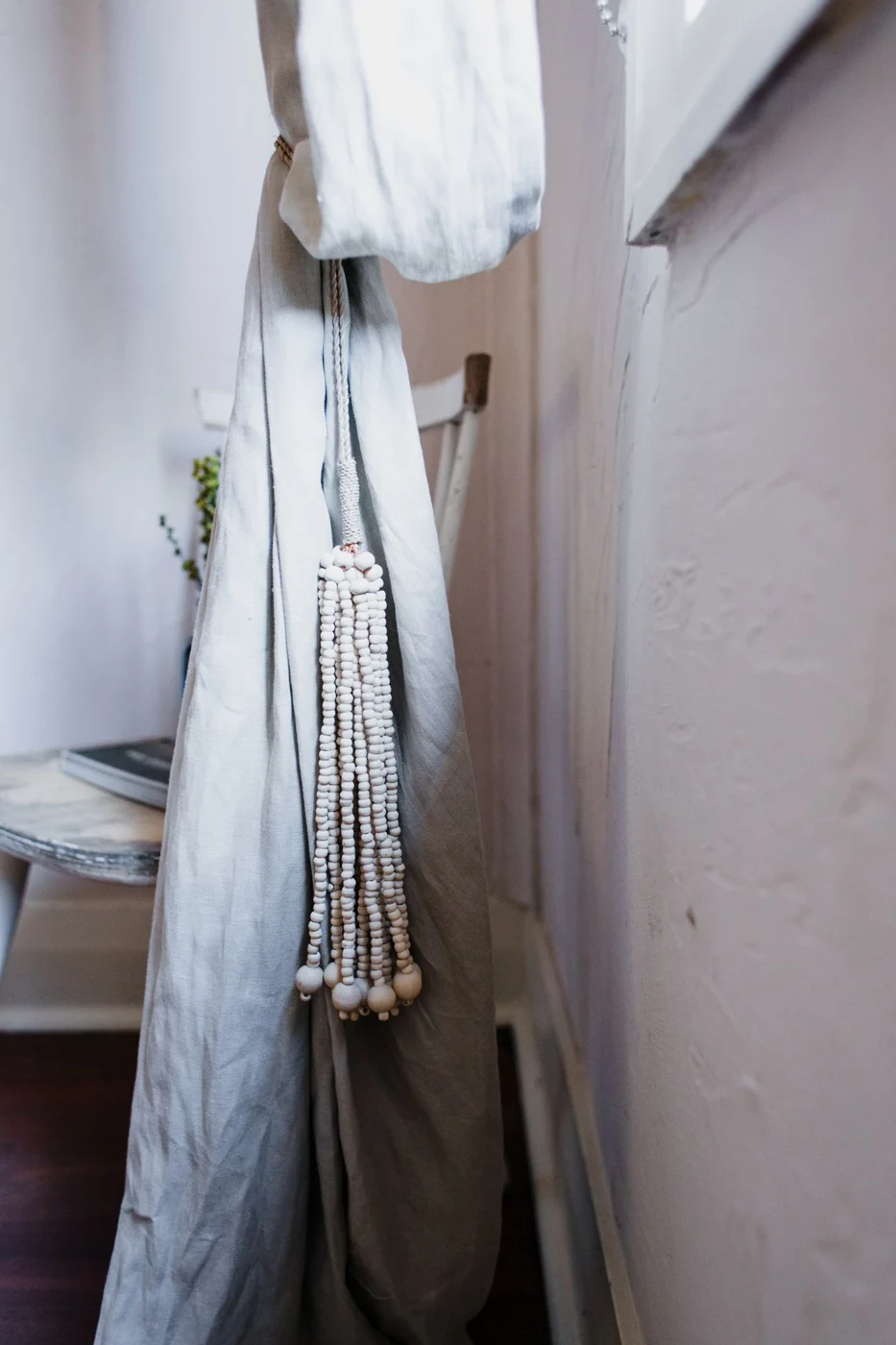 Light & textiles
Fibre, weave and finish tell you more than the words linen or cotton alone.
Read article ↗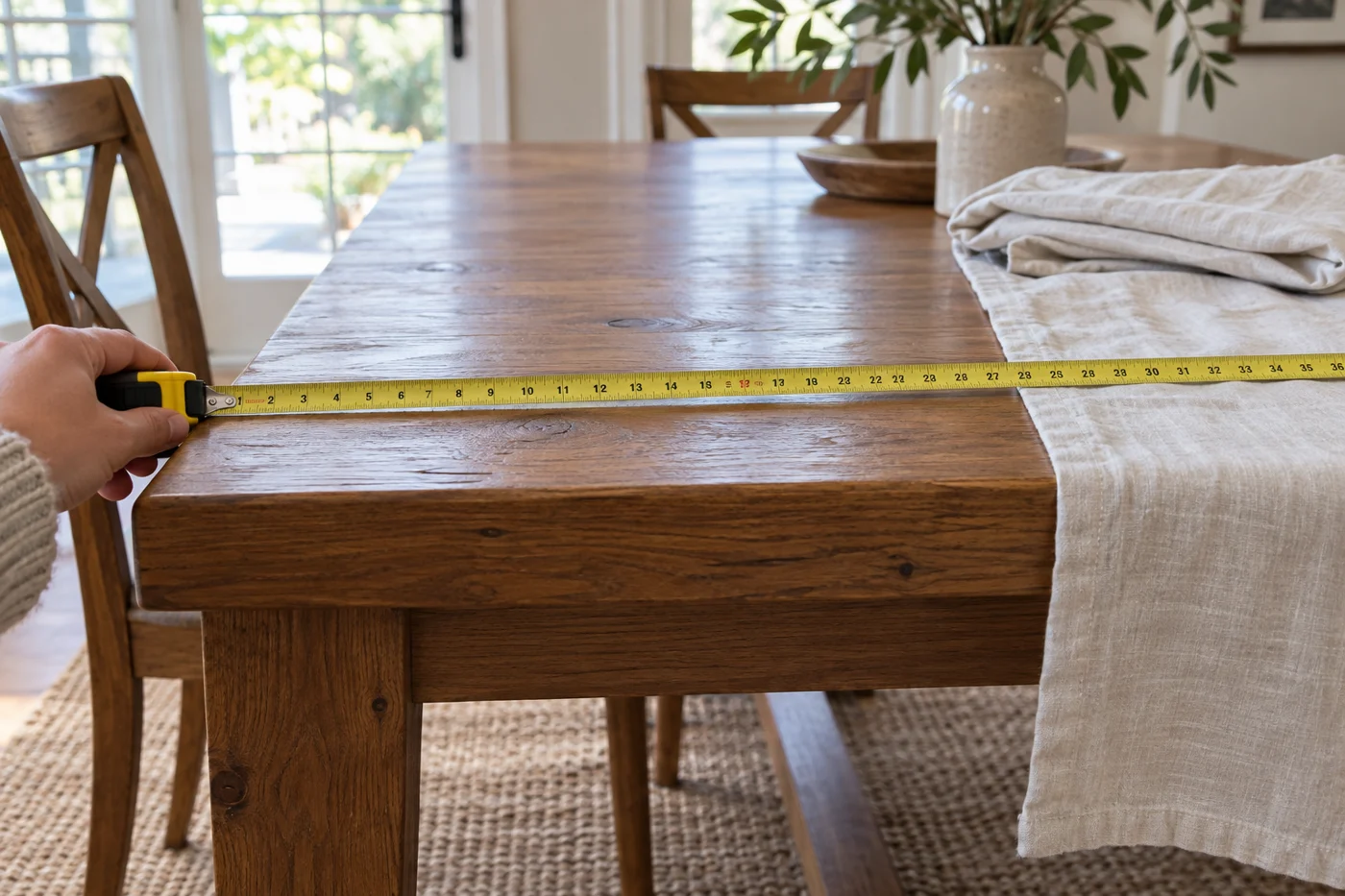 Light & textiles
Table shape, overhang and chair movement determine the useful size together.
Read article ↗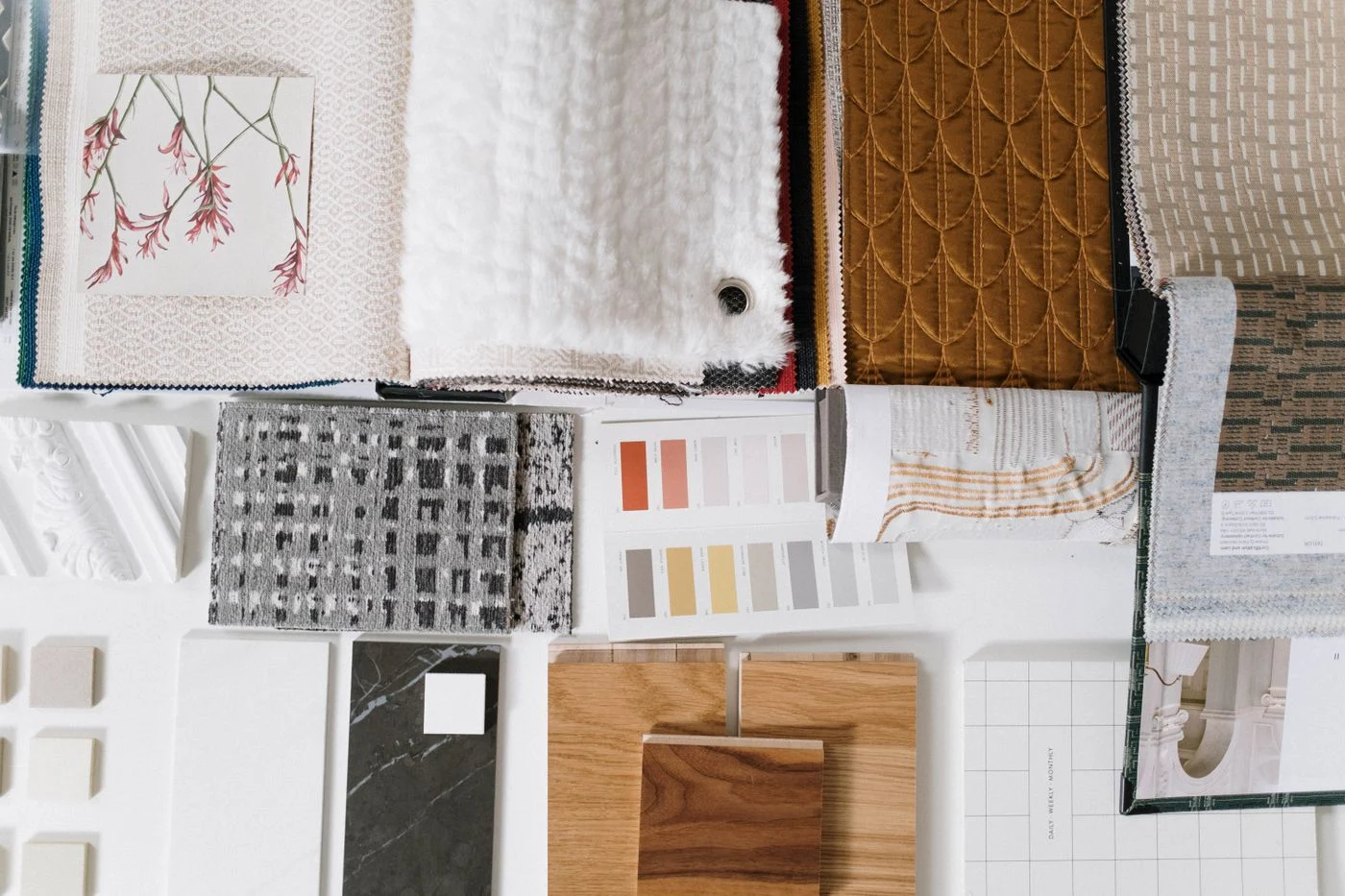 Light & textiles
Repeated colours can connect open areas while each textile retains its own role.
Read article ↗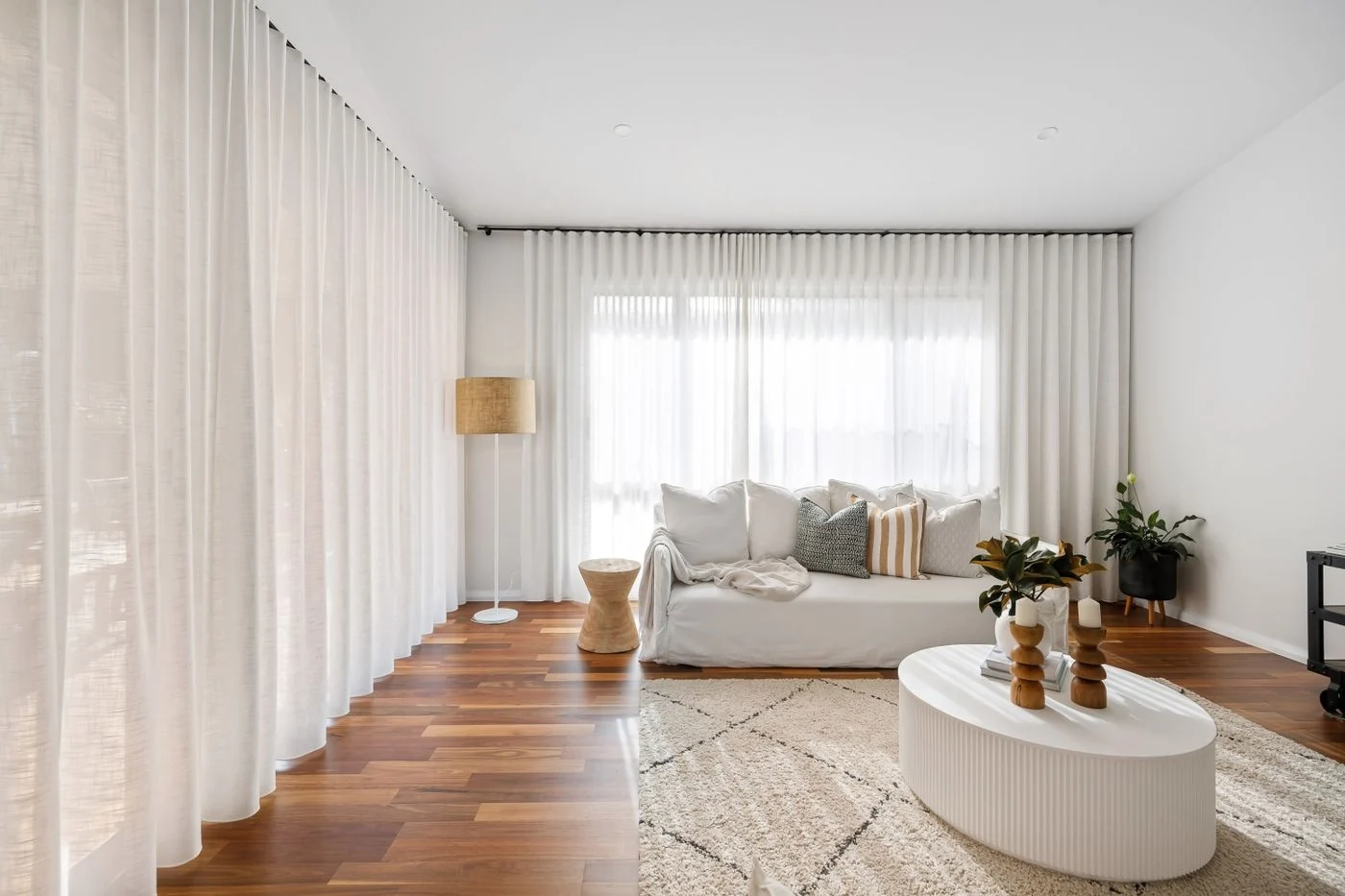 Light & textiles
Textiles can change the sound within a room, but they do not replace structural sound insulation.
Read article ↗ Light & textiles
A dark corner does not always need another floor lamp; decide what needs to become visible.
Read article ↗ Light & textiles
Cotton names a fibre; percale and sateen describe different ways of weaving it.
Read article ↗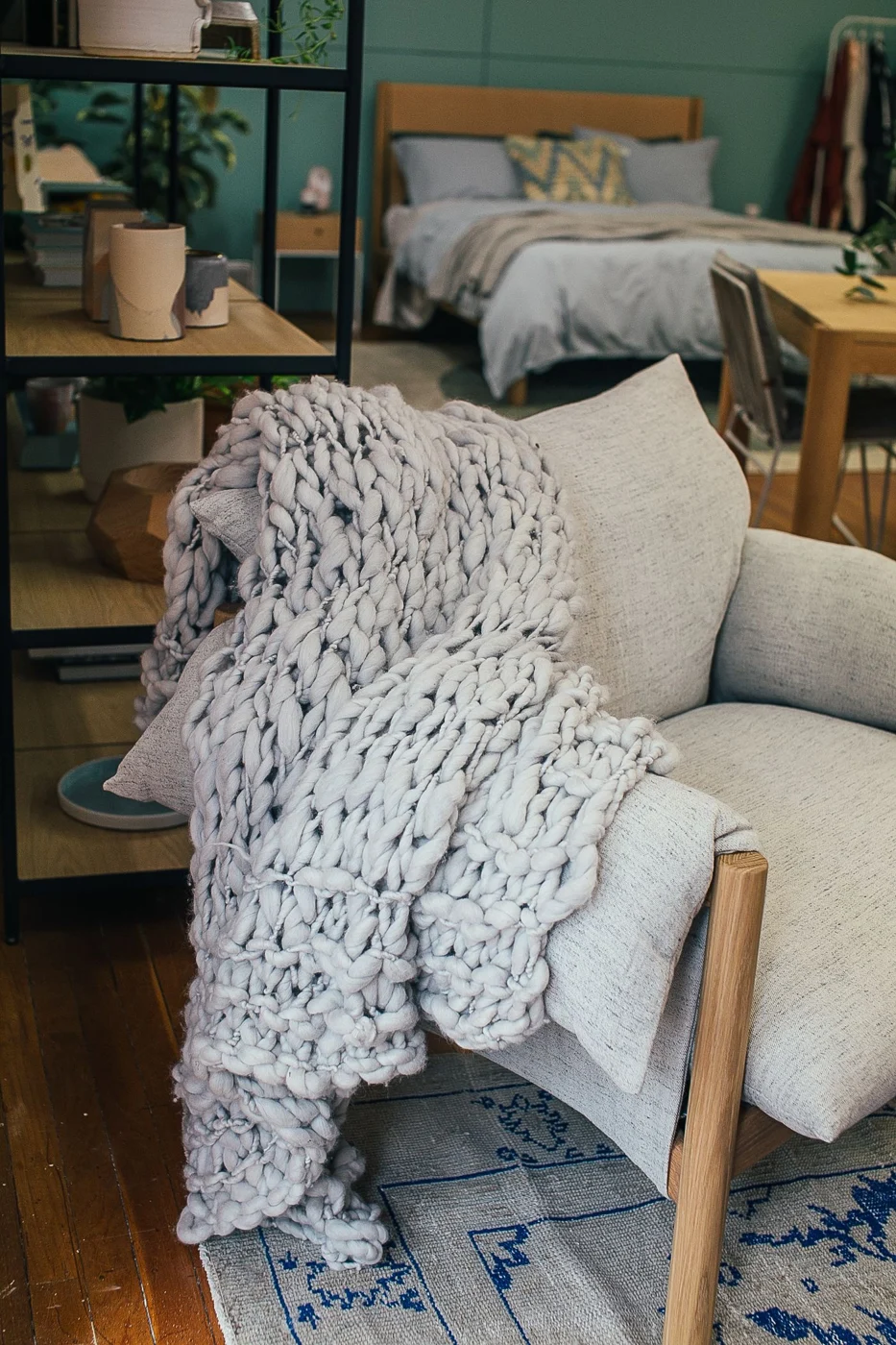 Light & textiles
A throw is easier to use when taking it out and putting it back requires no rearranging.
Read article ↗ Light & textiles
Pattern scale, contrast and visible area matter more than room size alone.
Read article ↗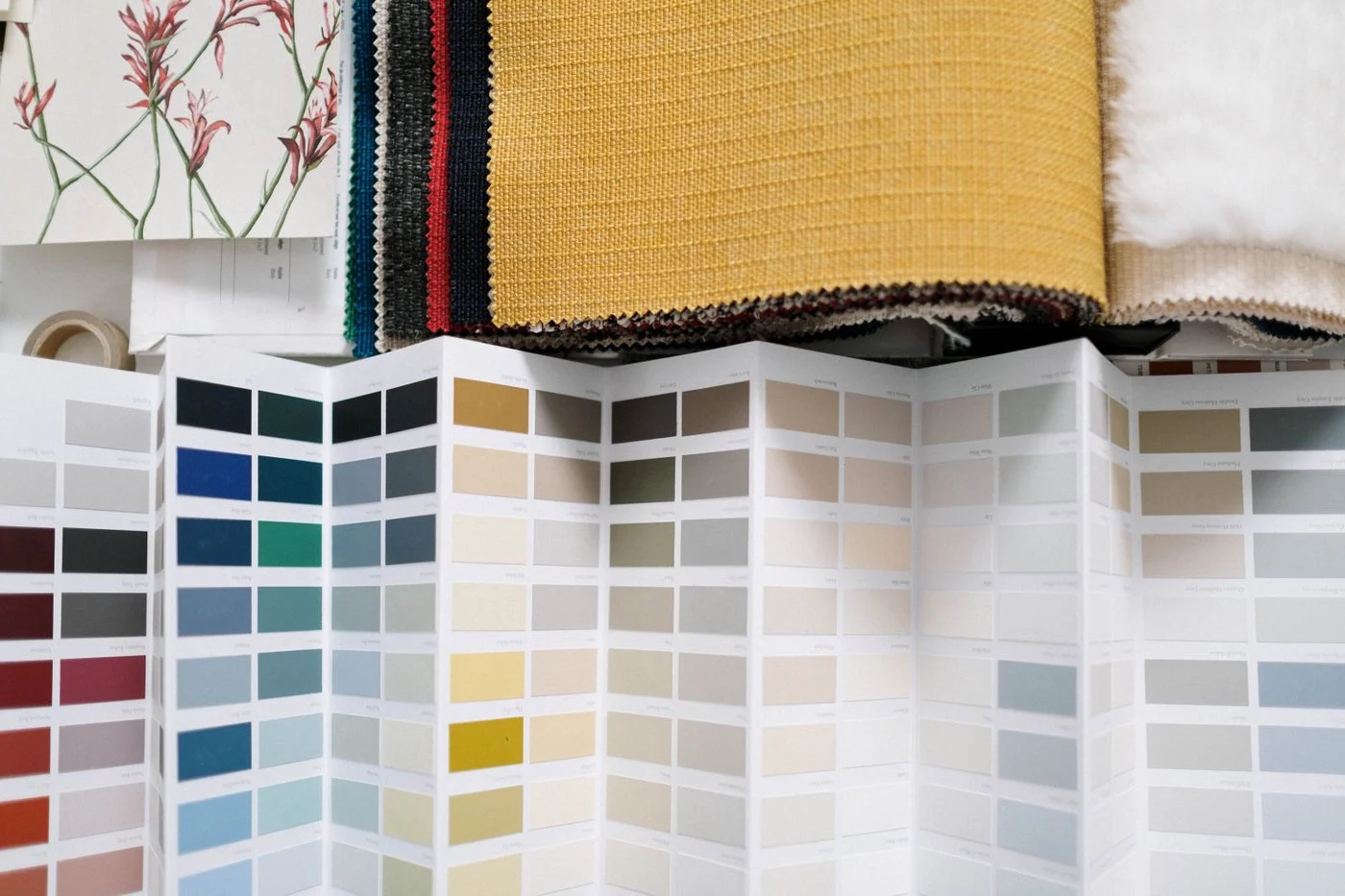 Light & textiles
Put a sample in its intended position and view it at several times of day.
Read article ↗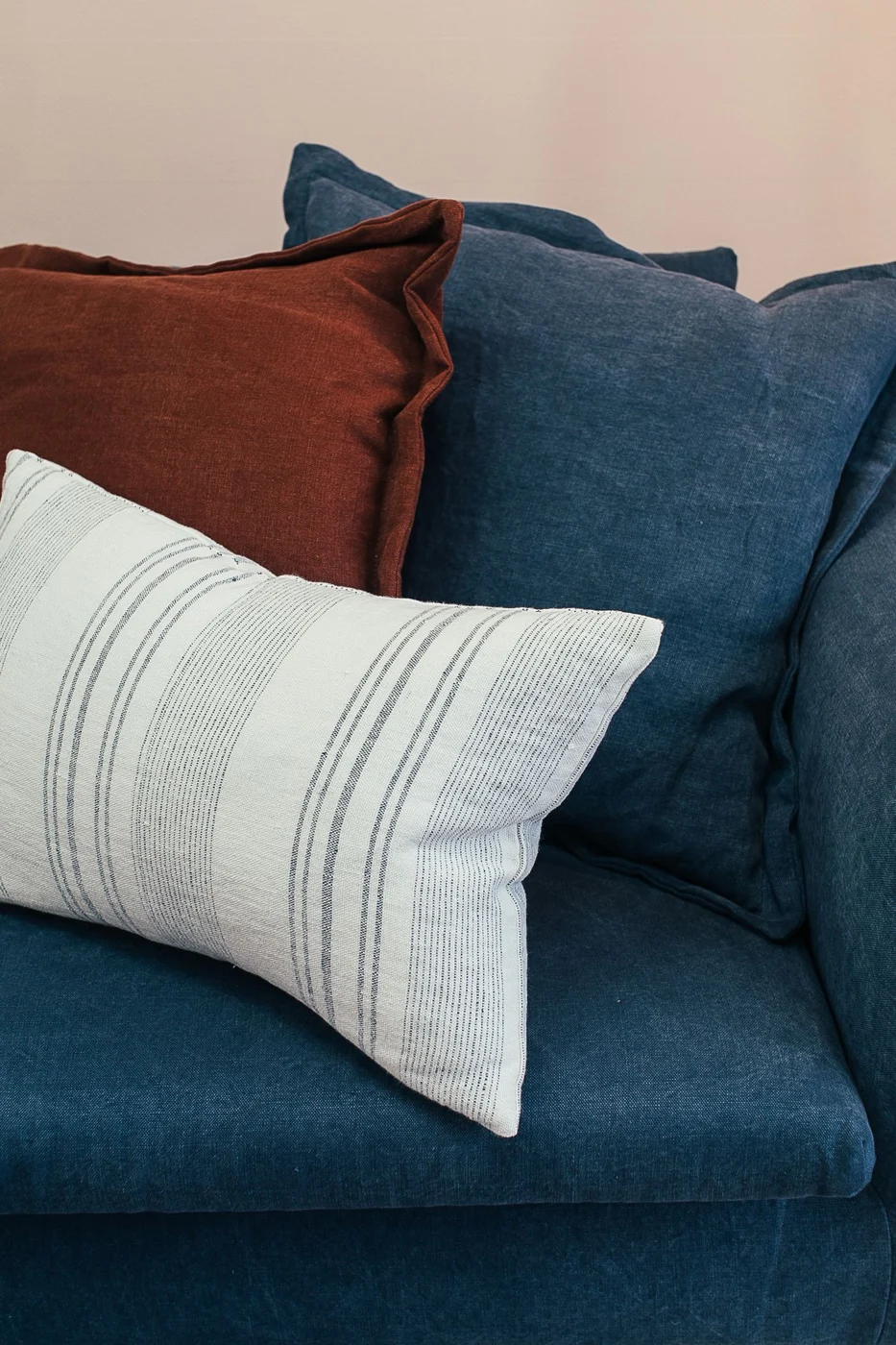 Light & textiles
Covers and throws change the appearance while the sofa itself remains the starting point.
Read article ↗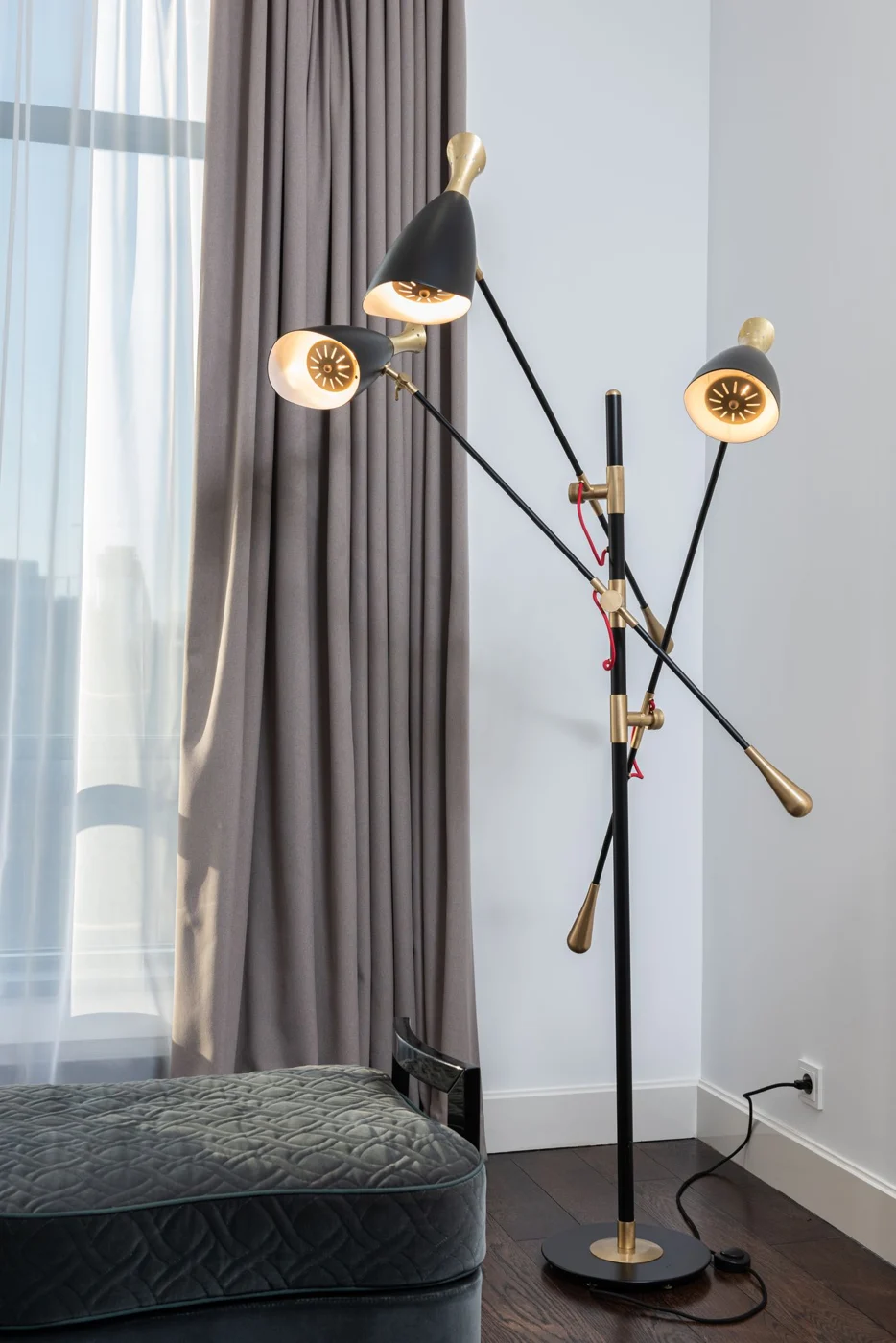 Light & textiles
A furniture move changes sightlines, shadows and cable routes as well as the floor plan.
Read article ↗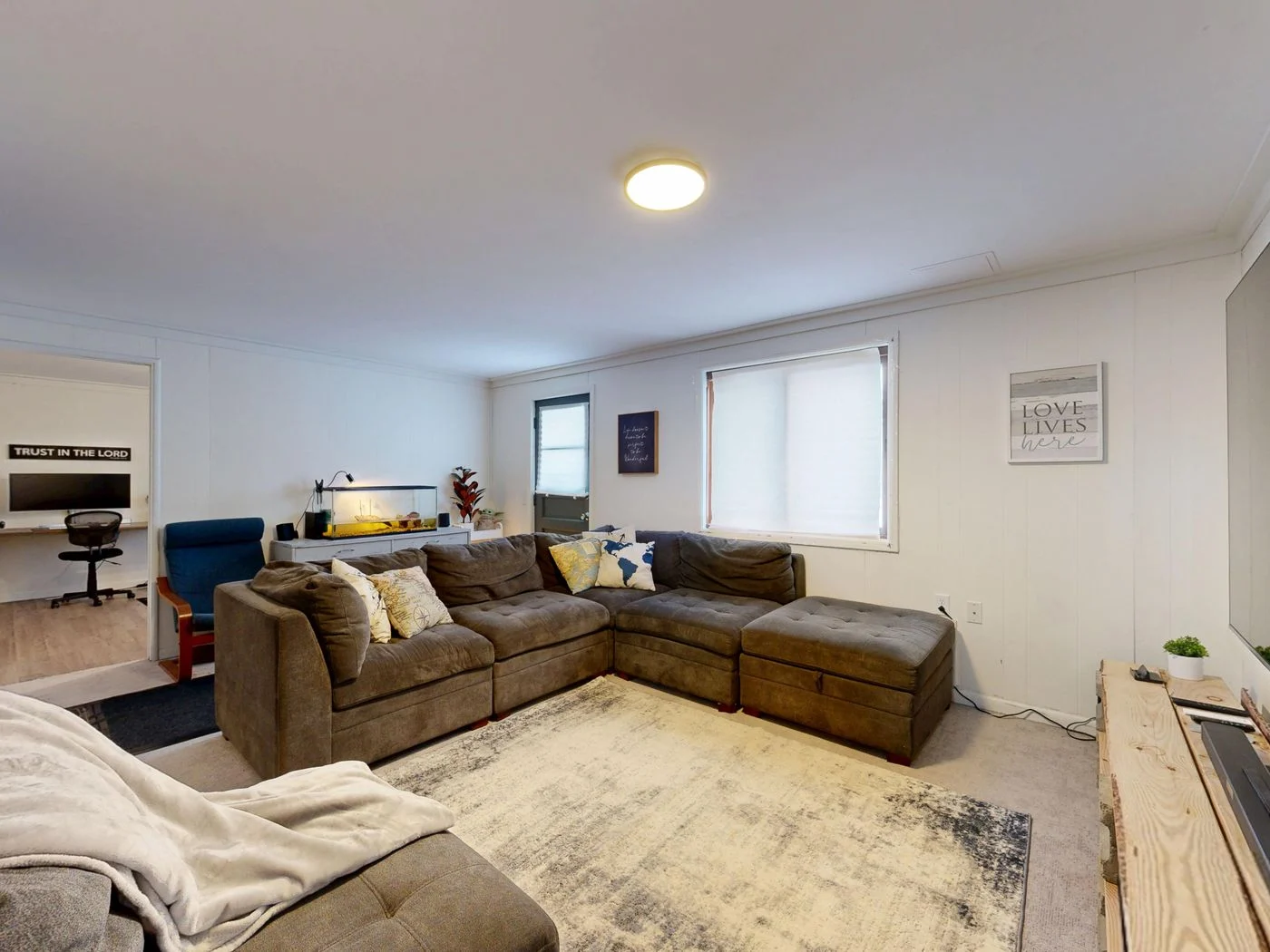 Working at home
A living-room workspace needs to work during the day and leave room for living afterwards.
Read article ↗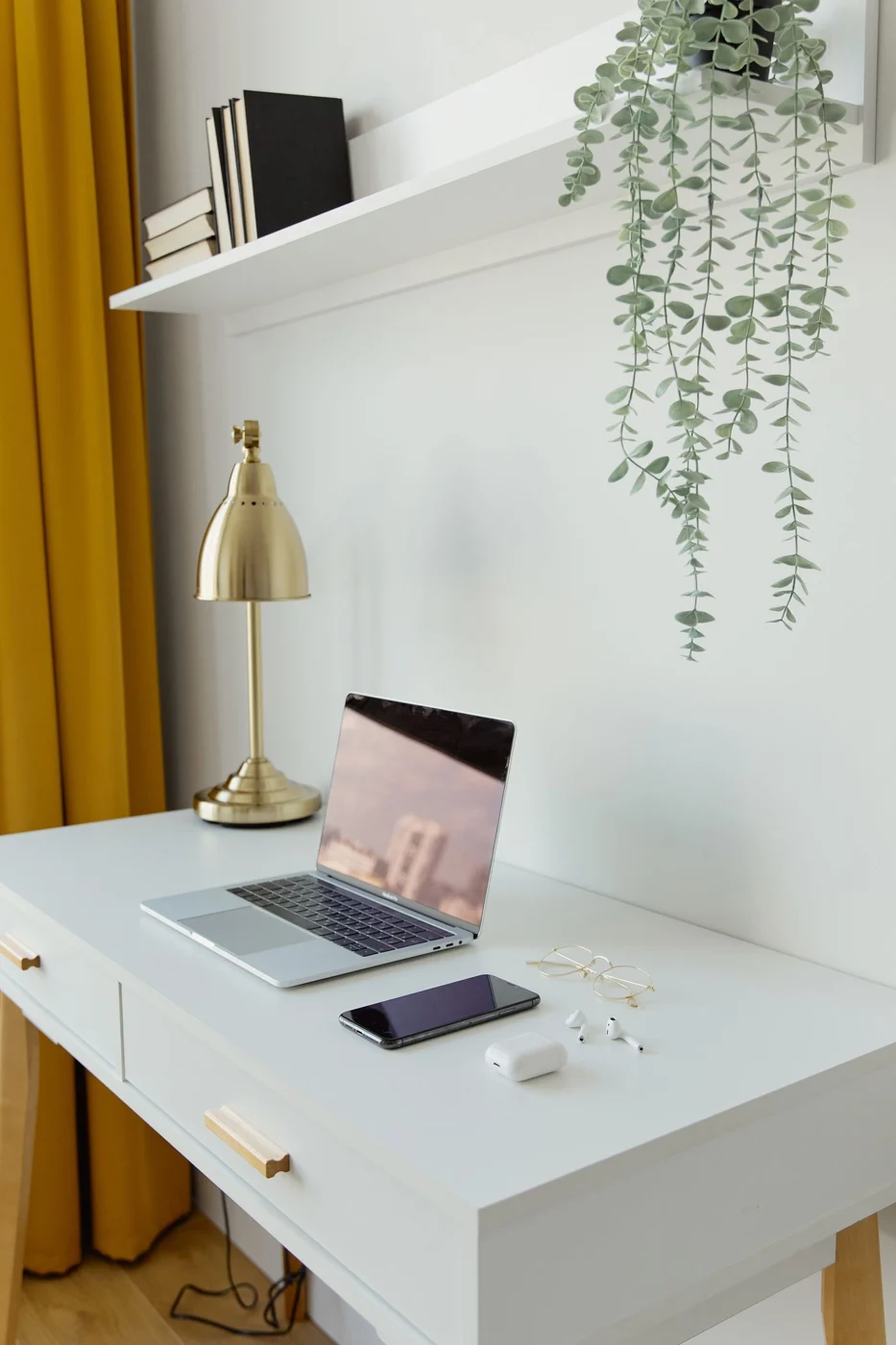 Working at home
Desk depth needs to accommodate equipment, hands and the intended screen position.
Read article ↗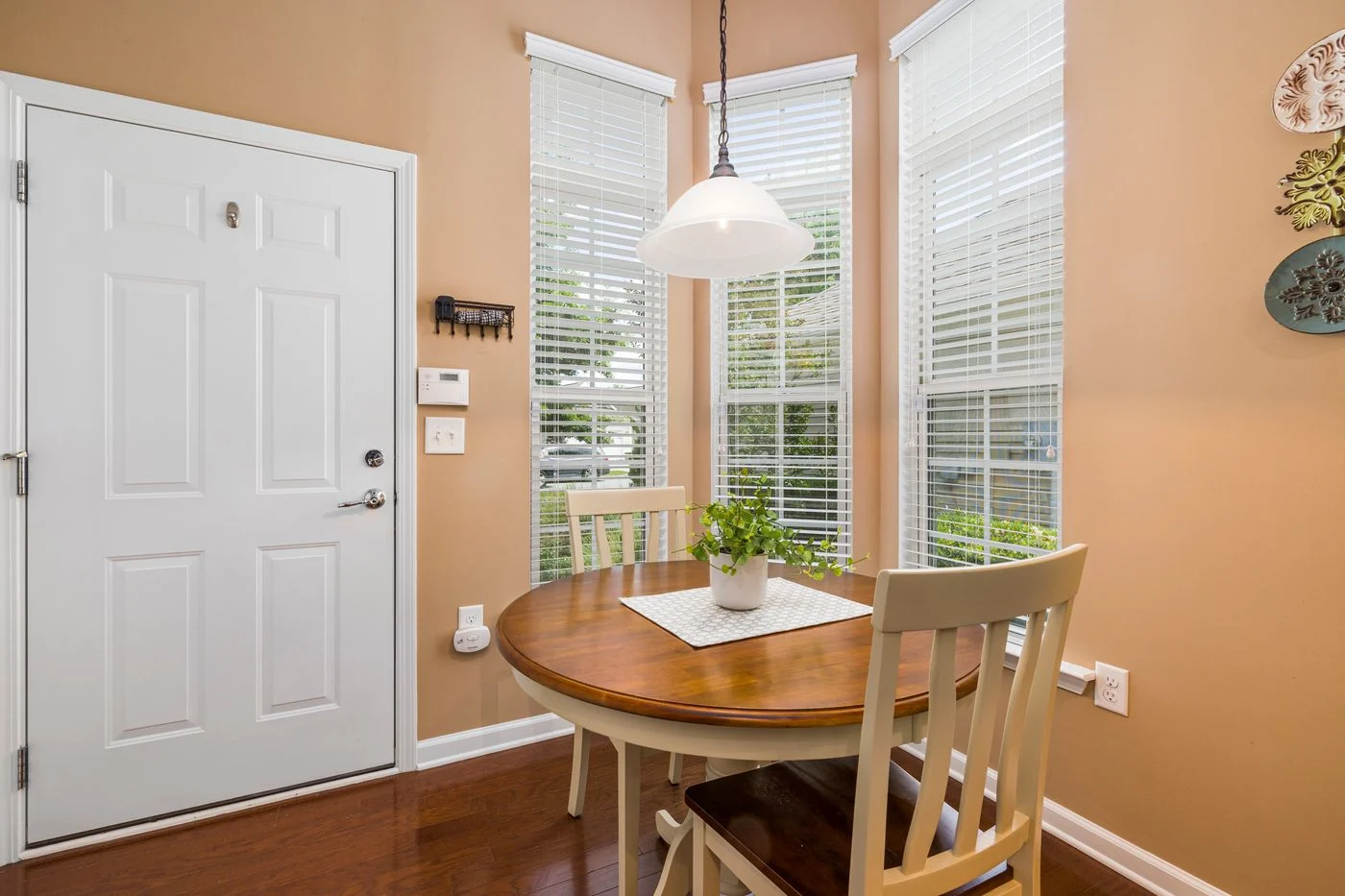 Working at home
At a shared table, the chair needs to suit the person and the activity.
Read article ↗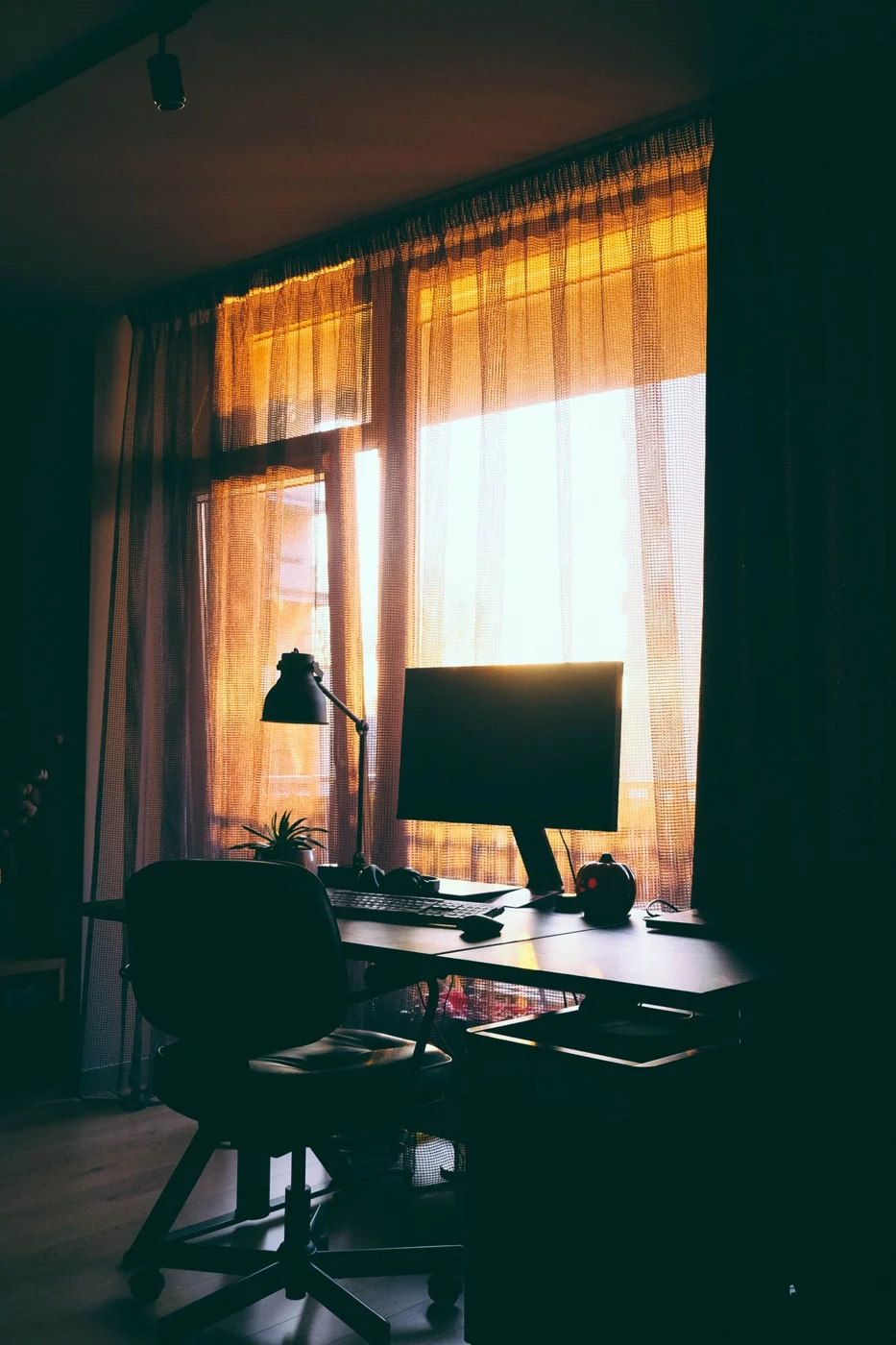 Working at home
Assess the window, screen and seat as one arrangement.
Read article ↗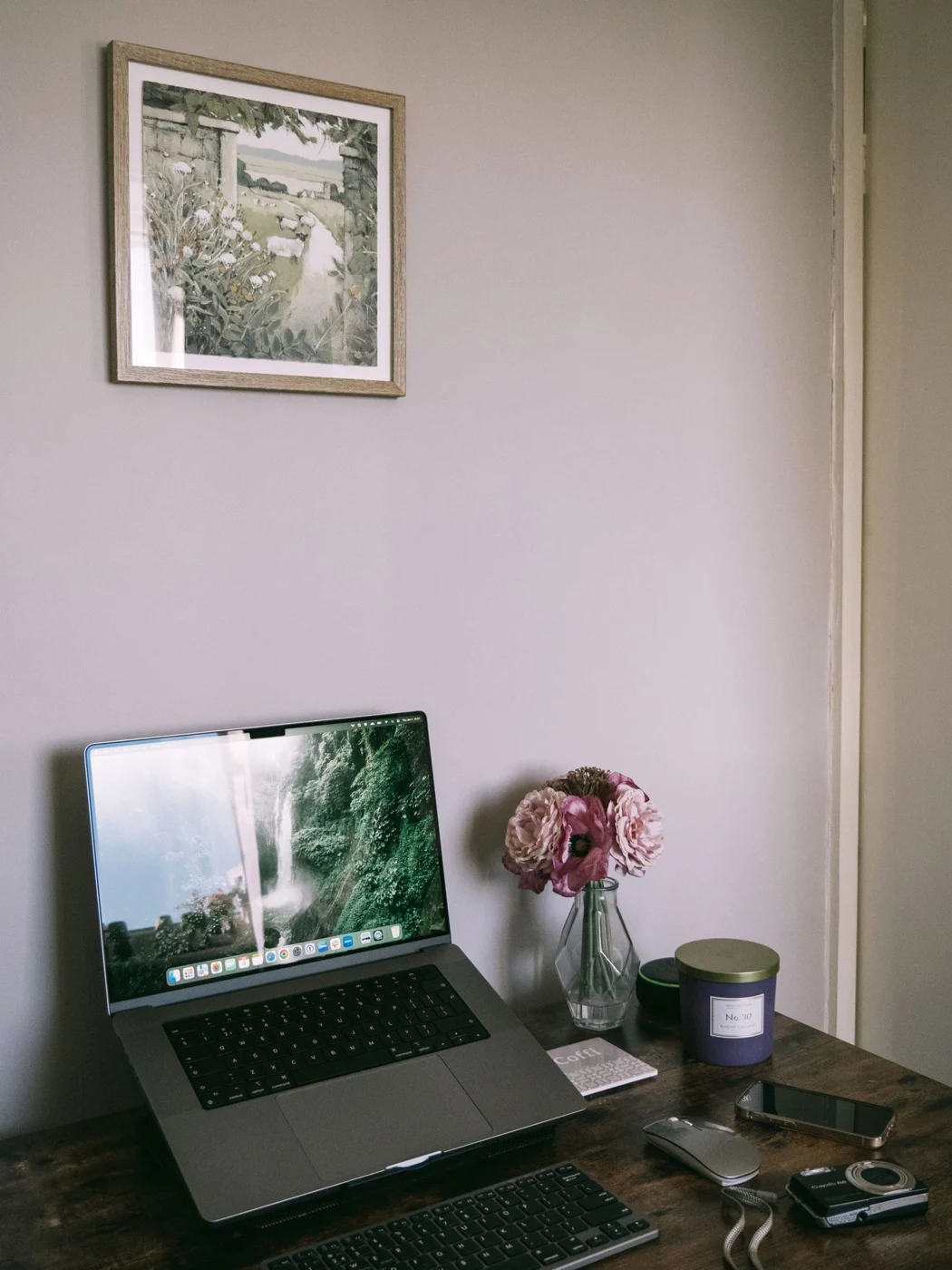 Working at home
A separate keyboard lets the display and hands have different positions.
Read article ↗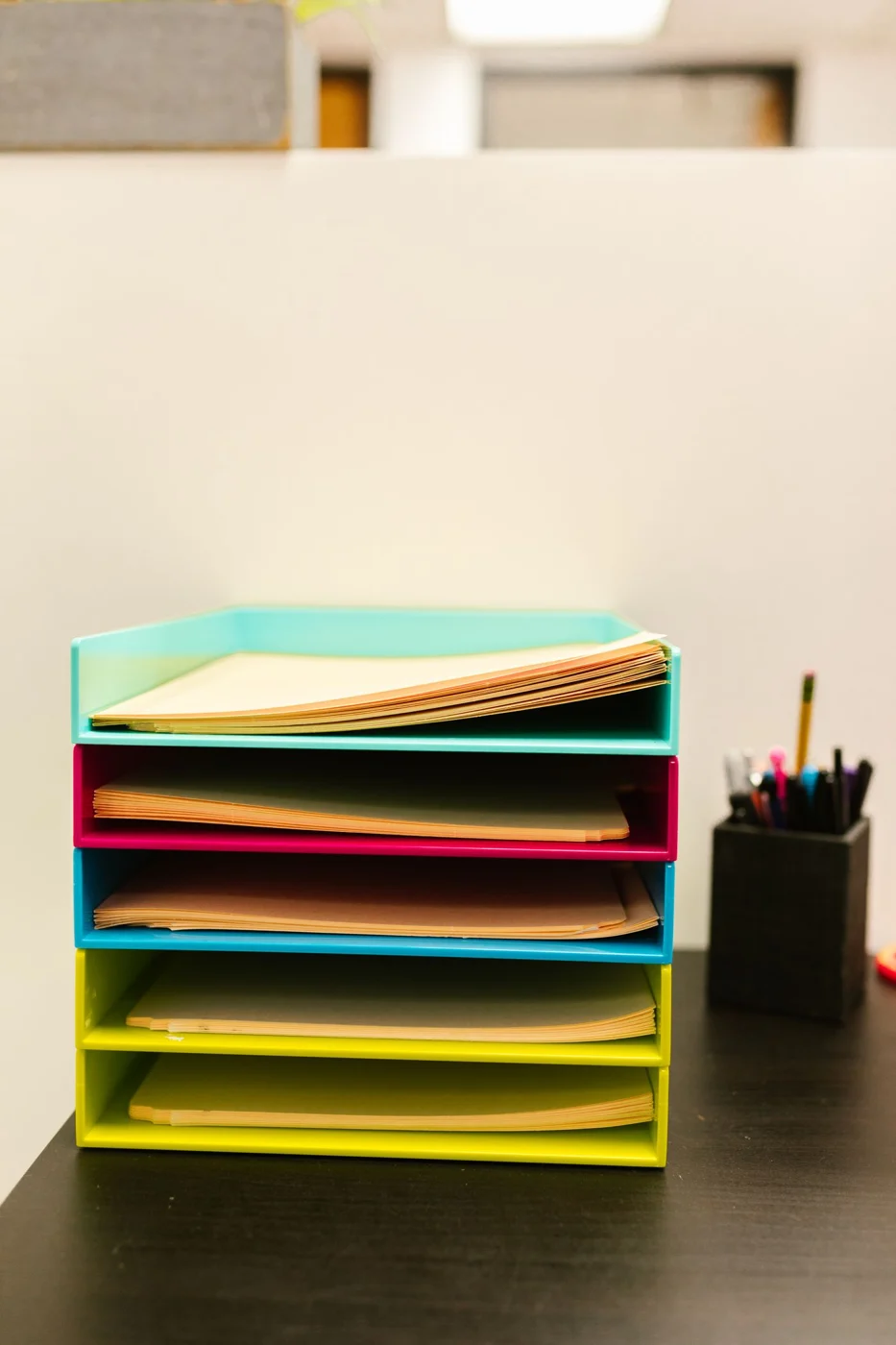 Working at home
Active papers need a different home from documents kept only for reference.
Read article ↗ Working at home
When work and home share a room, a short, repeatable transition helps. Give the materials a destination before trying to make the desk disappear.
Read article ↗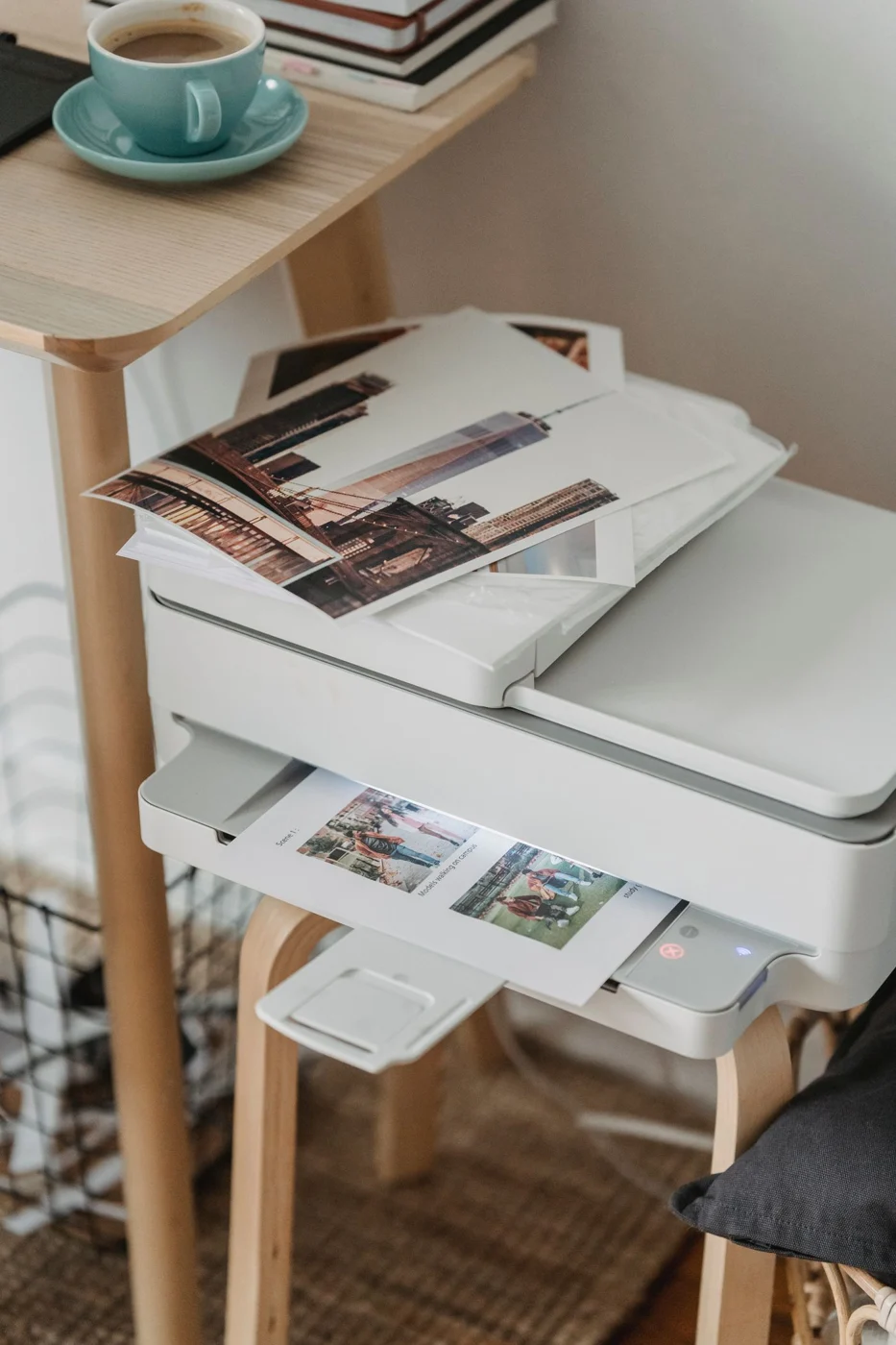 Working at home
Measure the printer in use, not only its closed footprint.
Read article ↗ Working at home
A video call needs workable light, audible speech and agreement about the shared room.
Read article ↗ Working at home
Paper needs illumination while the screen needs freedom from distracting reflections.
Read article ↗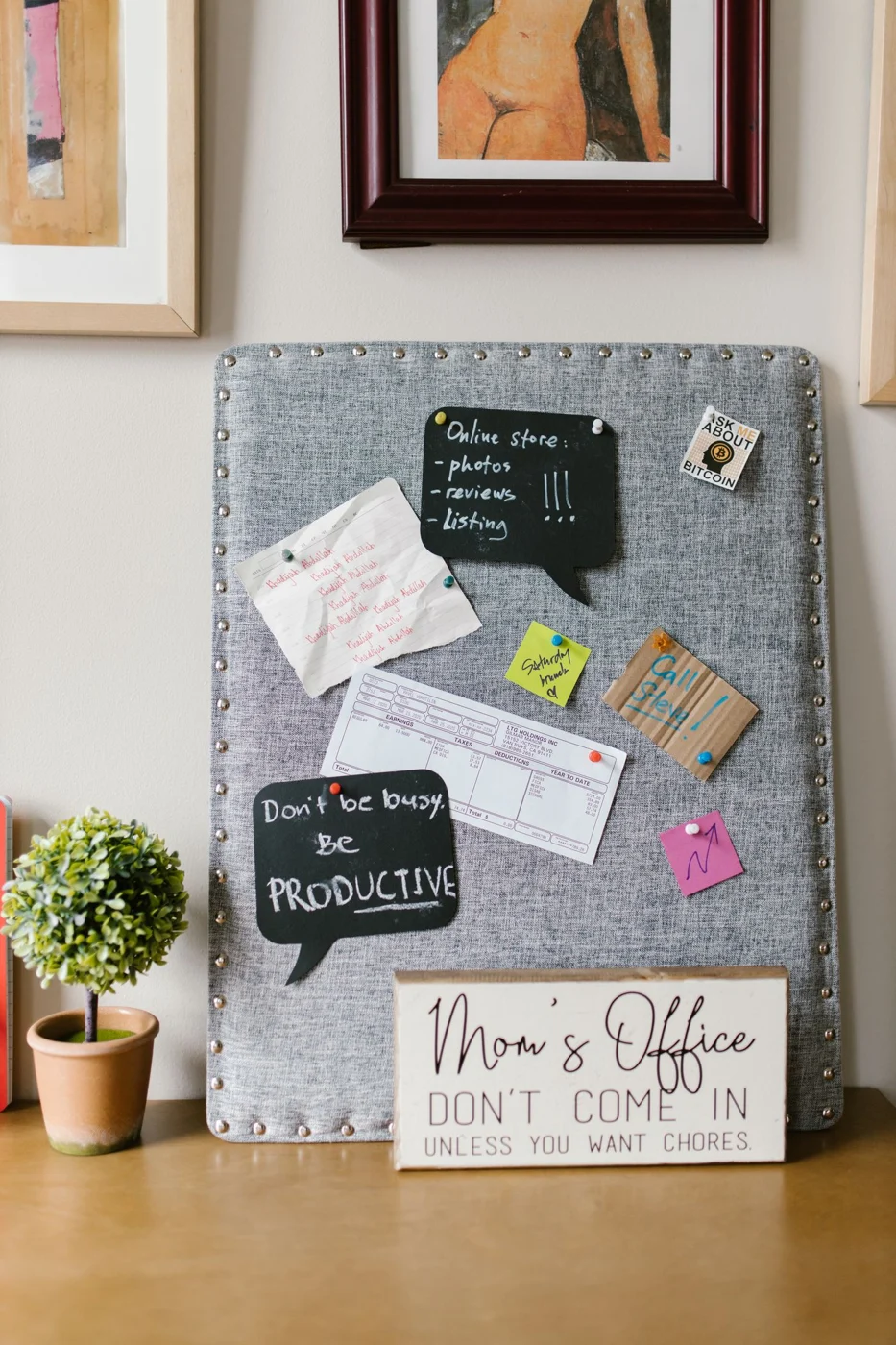 Working at home
A pinboard stays readable when it holds current work rather than becoming a second archive.
Read article ↗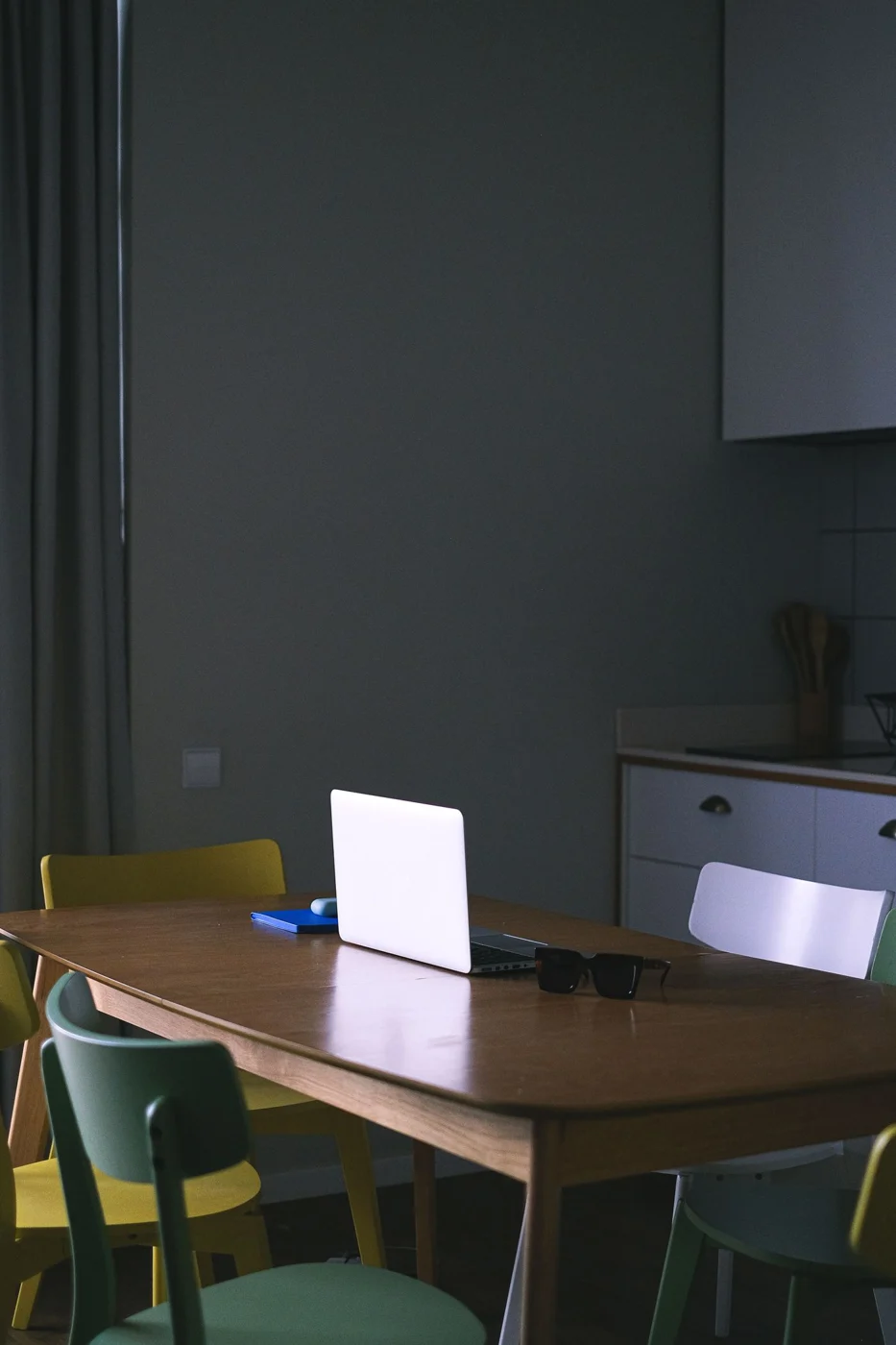 Working at home
A dining table can host temporary work when setup, seating and clearing away are planned together.
Read article ↗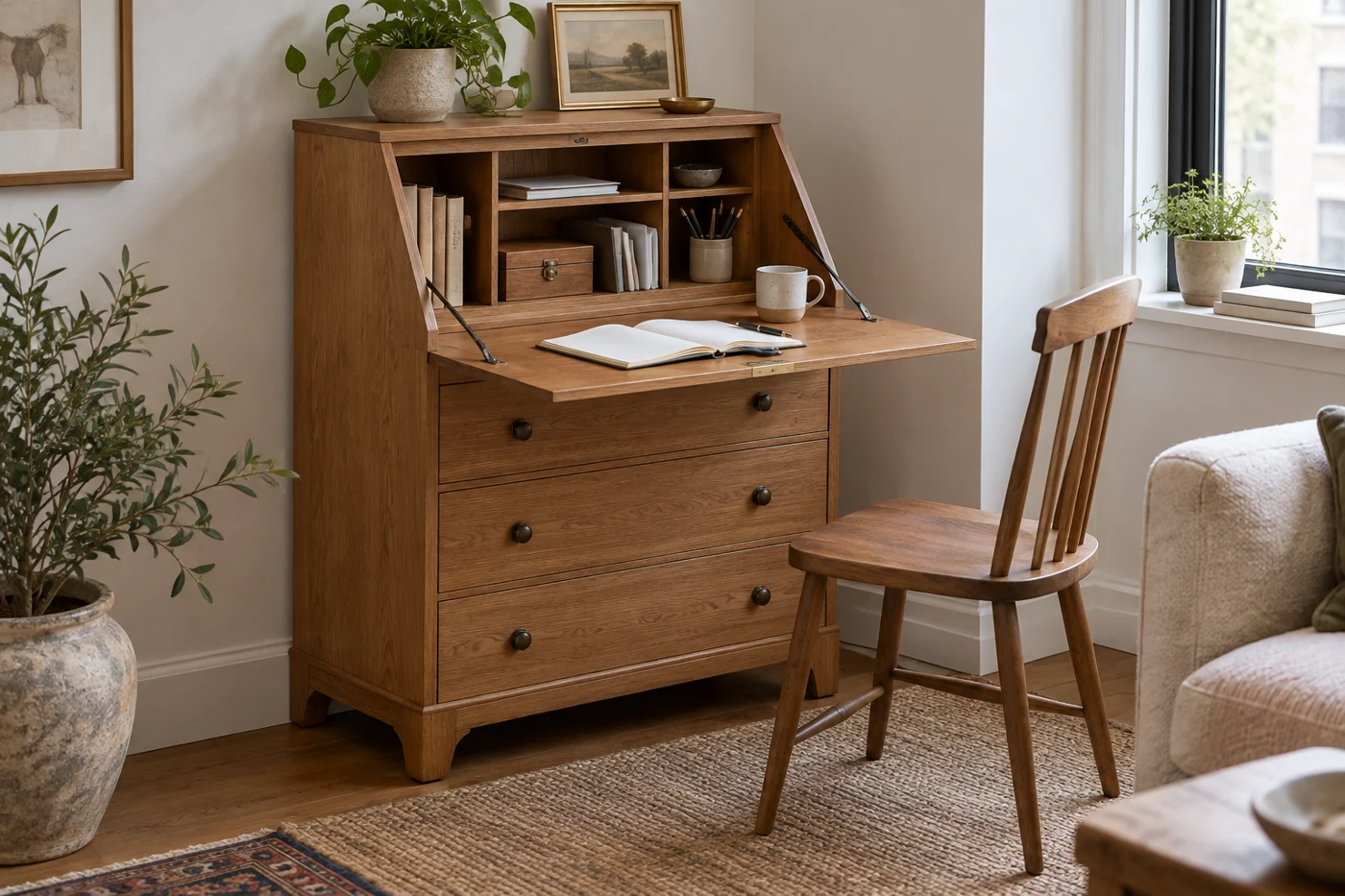 Working at home
A bureau saves space when closed, but must accommodate the work when open.
Read article ↗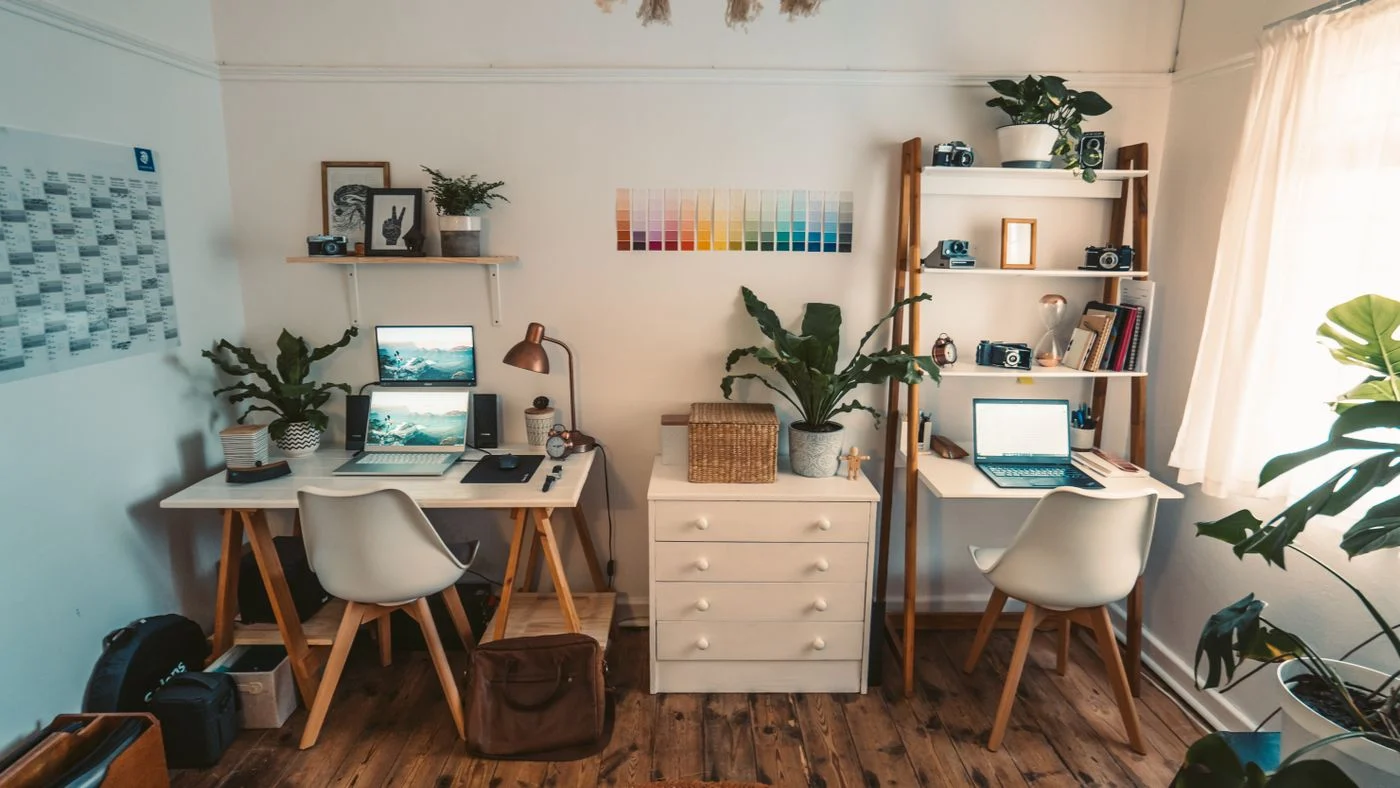 Working at home
Two workstations need individual movement space and shared arrangements for light, calls and storage.
Read article ↗ Working at home
Cables need to remain accessible without interfering with chairs or adjustable furniture.
Read article ↗ Working at home
Notes need a retrievable home and a clear connection to the next action.
Read article ↗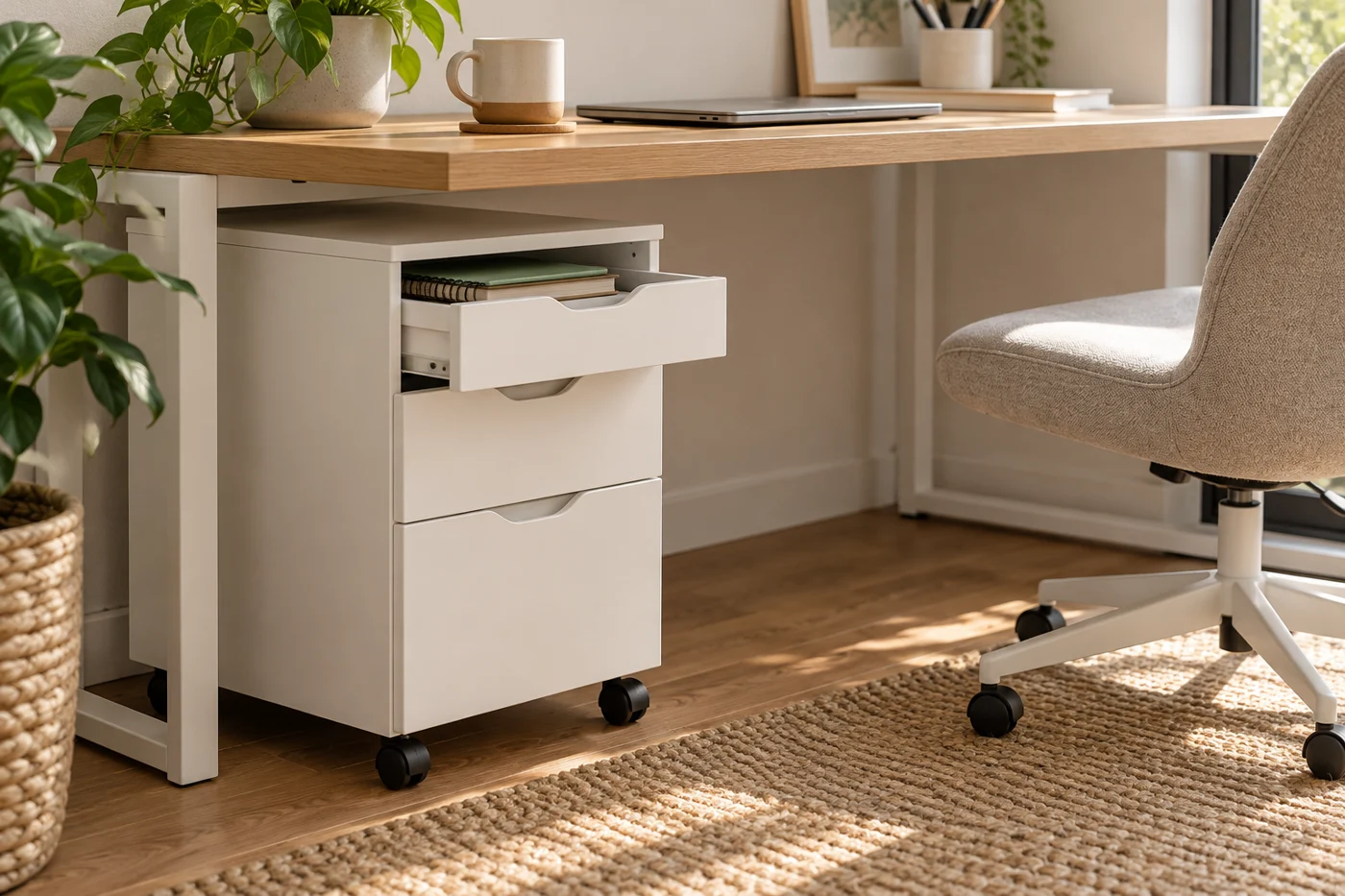 Working at home
A mobile pedestal needs a parking place, movement room and accessible drawers.
Read article ↗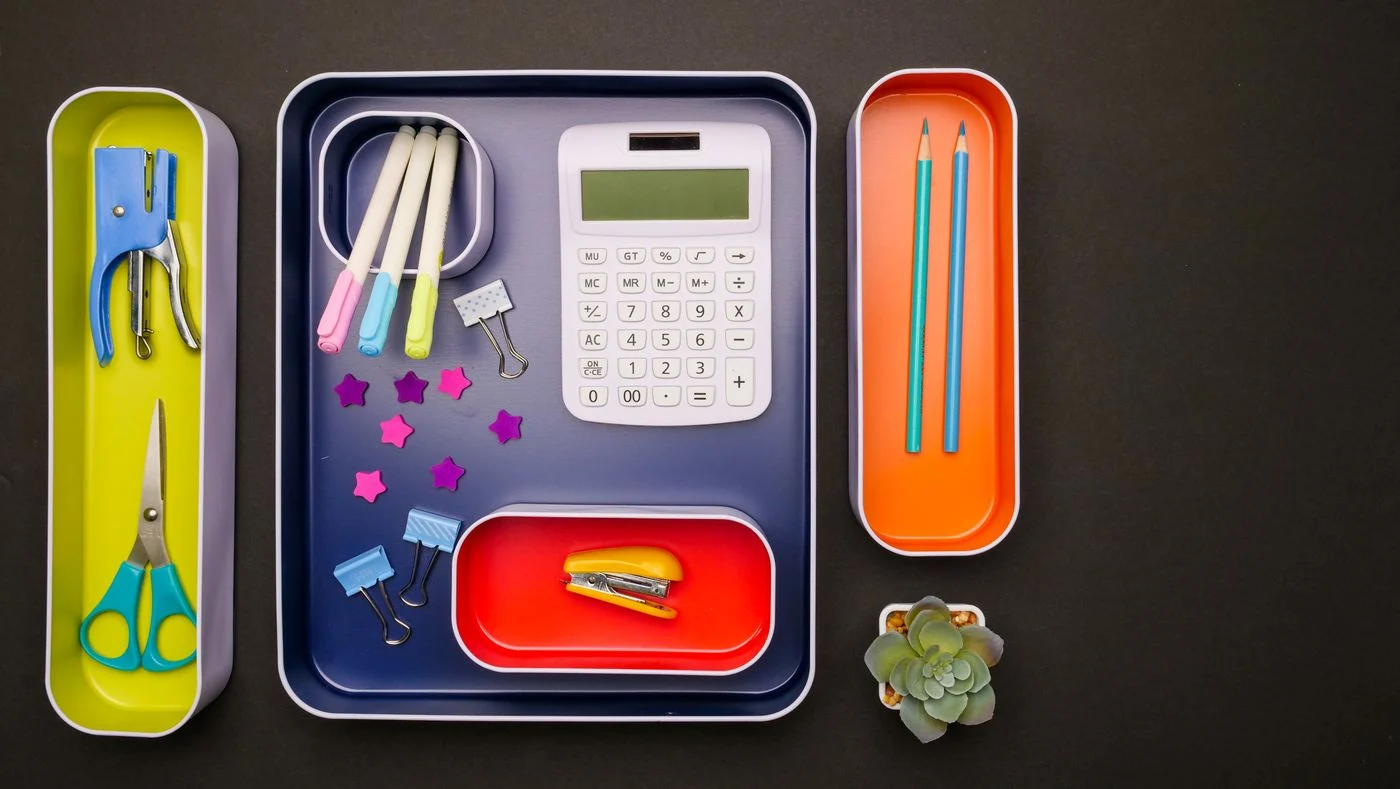 Working at home
A work tray should carry a complete small task rather than indiscriminately empty the desk.
Read article ↗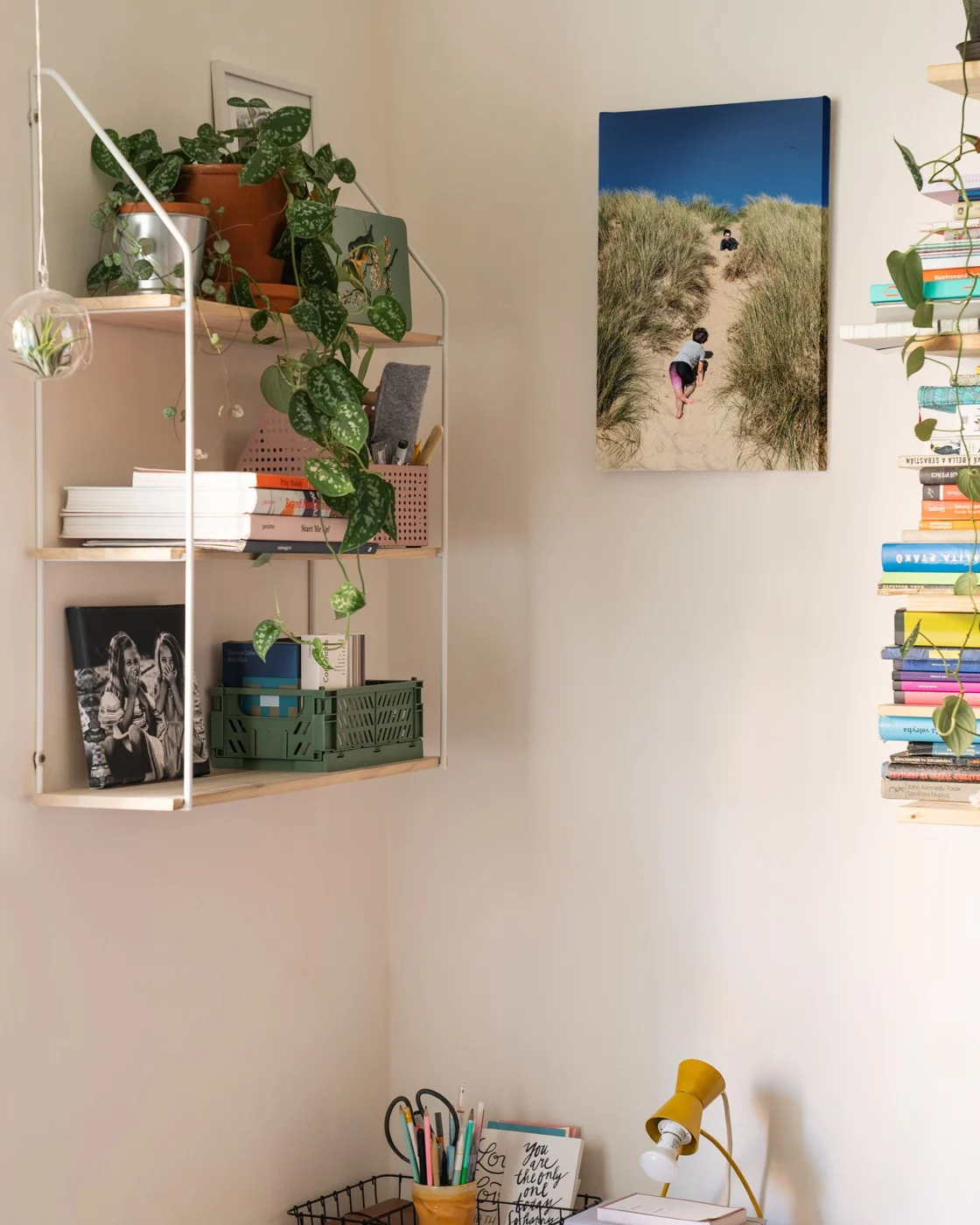 Working at home
Shelving above a desk should be reachable without crowding the work area below.
Read article ↗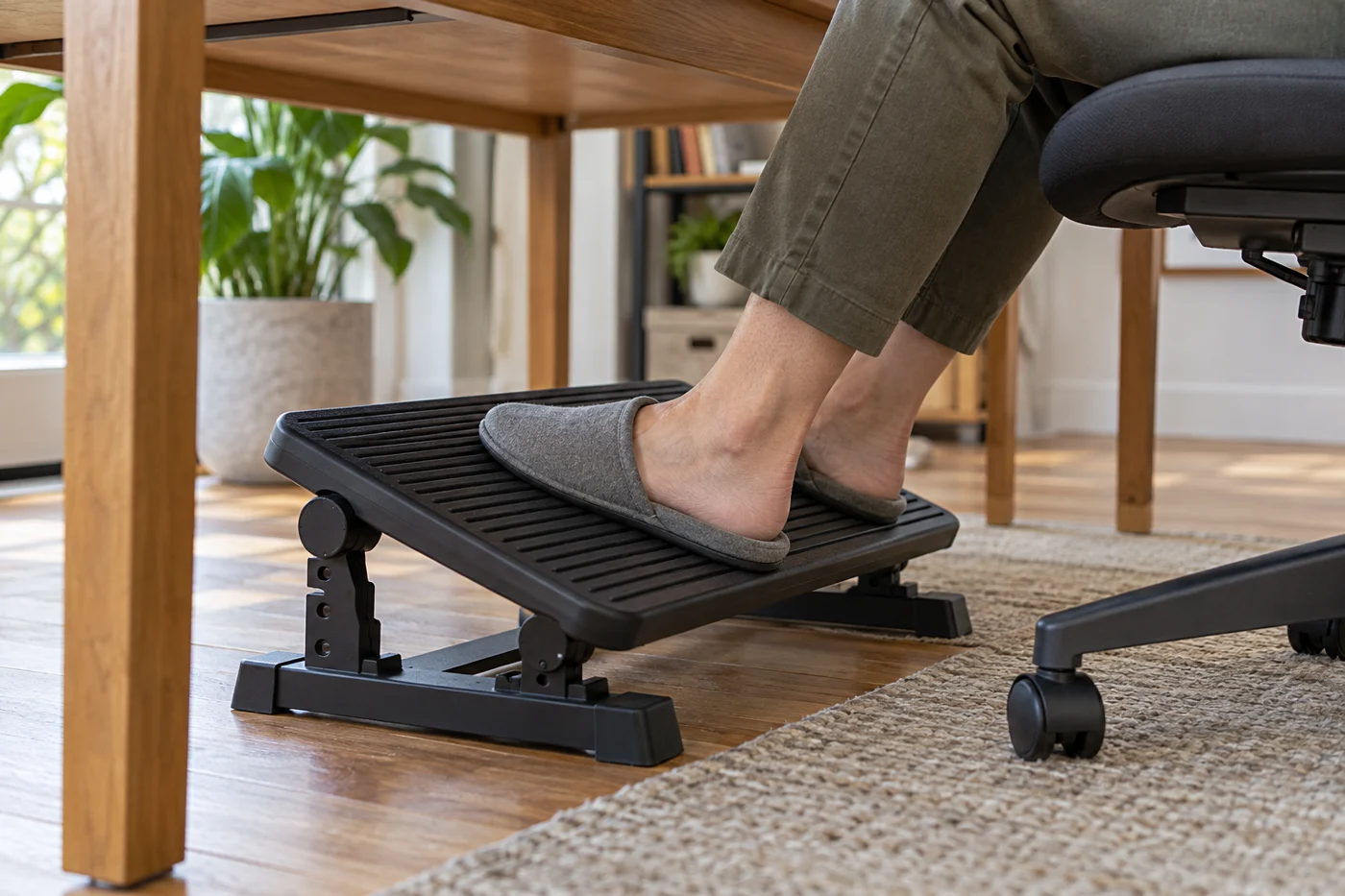 Working at home
A footrest is useful when it supports a suitable seated arrangement and fits the leg space.
Read article ↗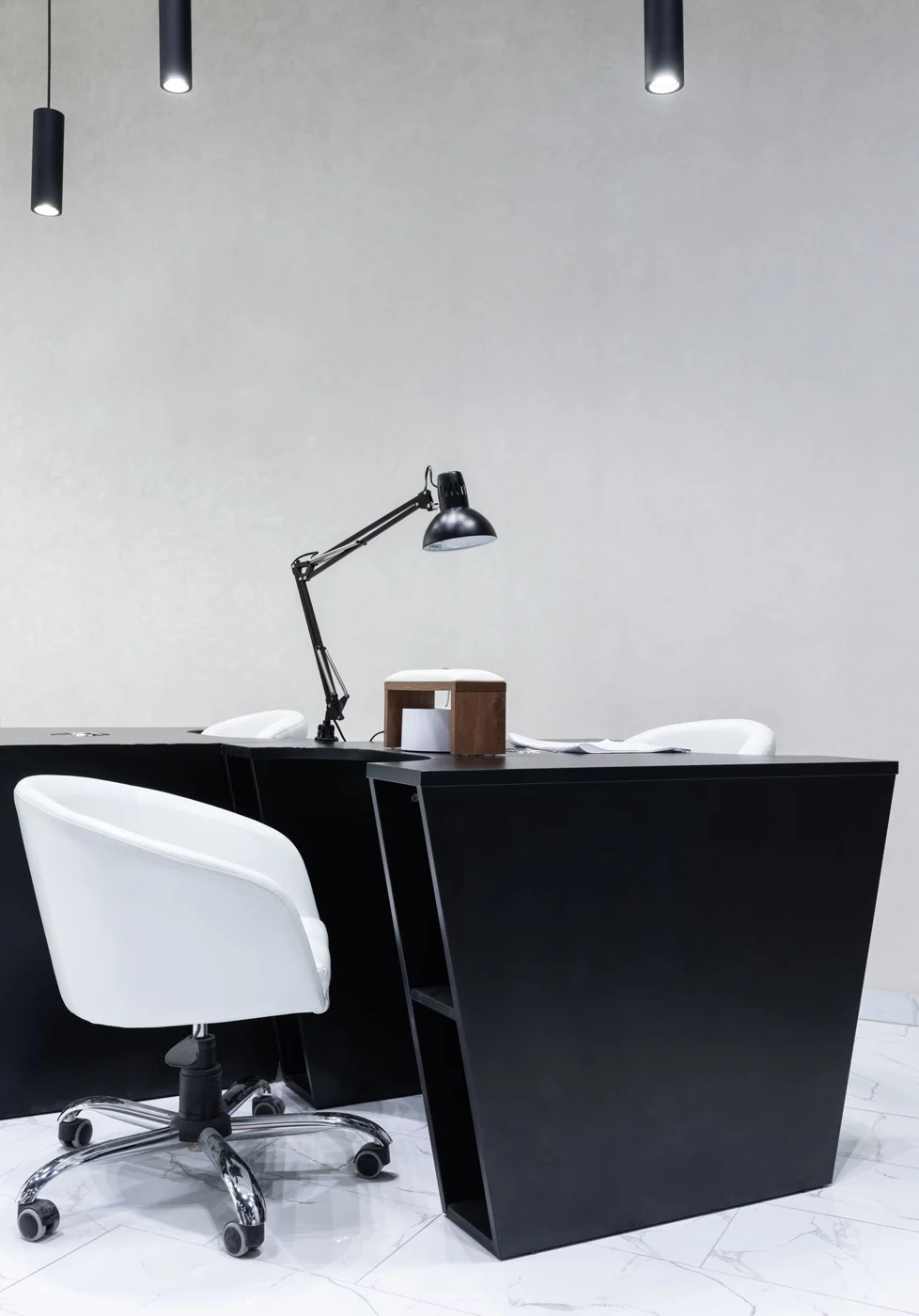 Working at home
Task and room lights can have separate controls, but should be assessed together.
Read article ↗ Working at home
A window workspace needs access to the window, a usable surface and control of the light.
Read article ↗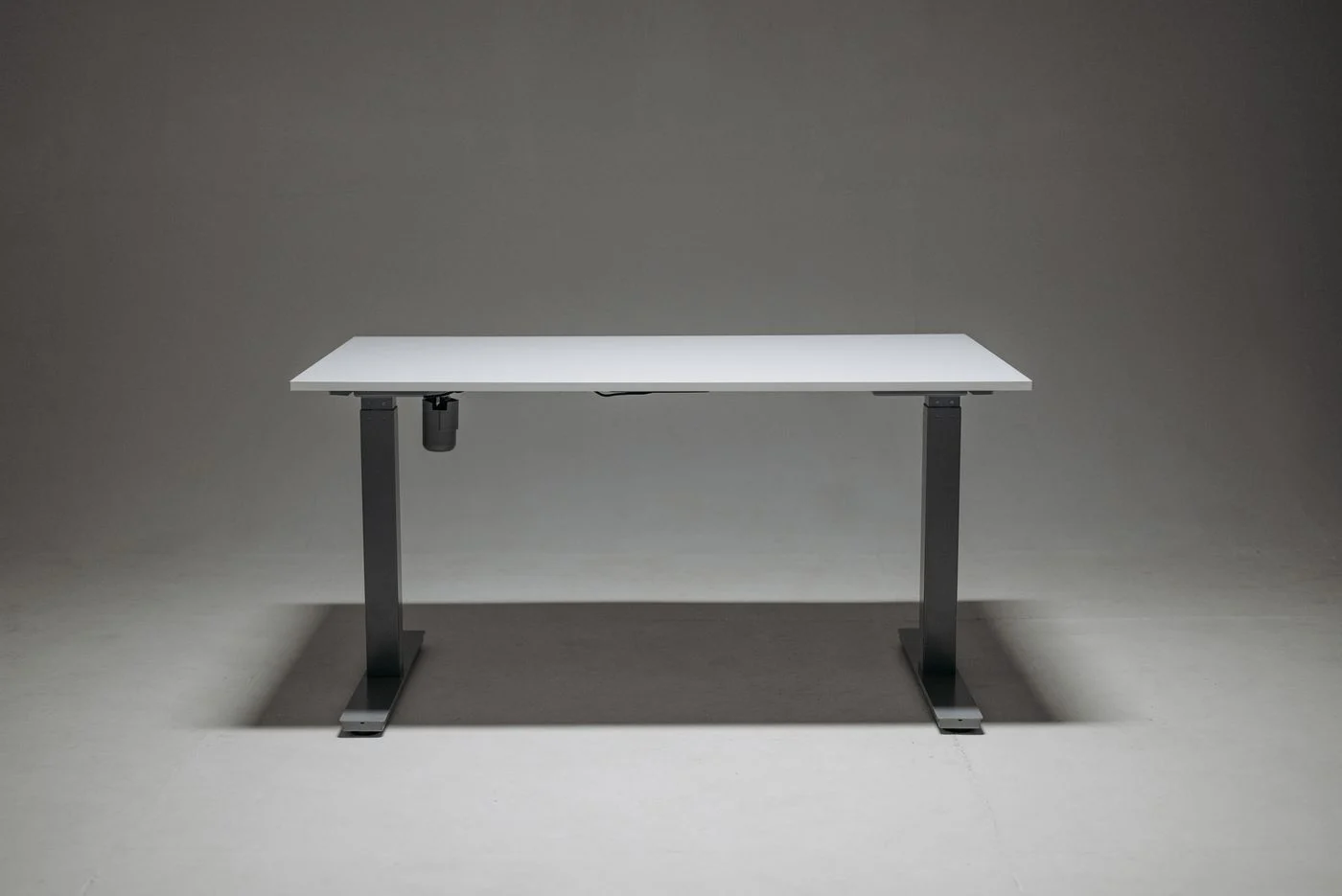 Working at home
A shared workstation needs straightforward adjustments and a clear changeover between users.
Read article ↗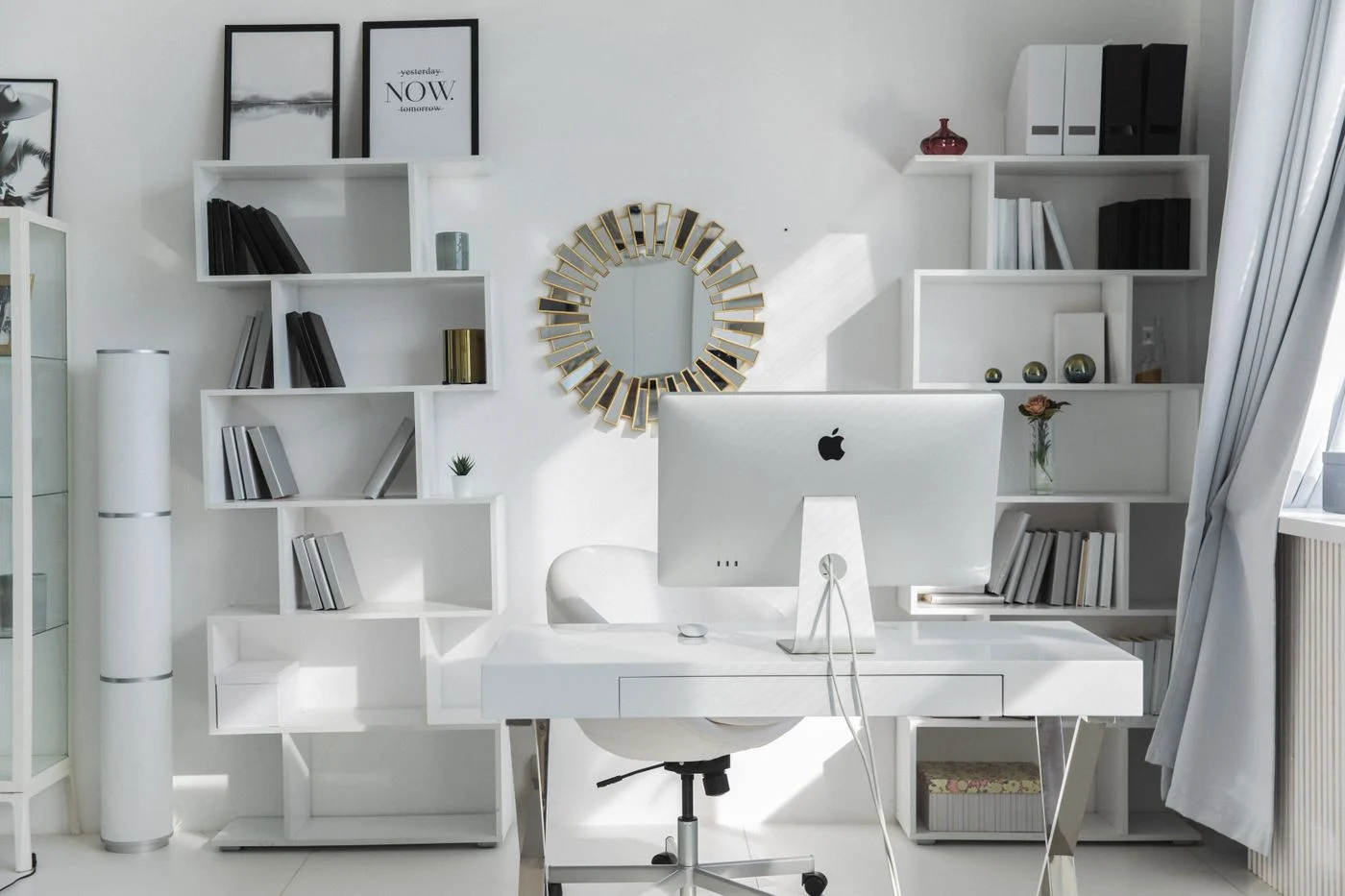 Working at home
A calm background comes mainly from framing, distance and a few clear surfaces.
Read article ↗ Balconies & plants
Two seats need space for legs, doors and access around the balcony.
Read article ↗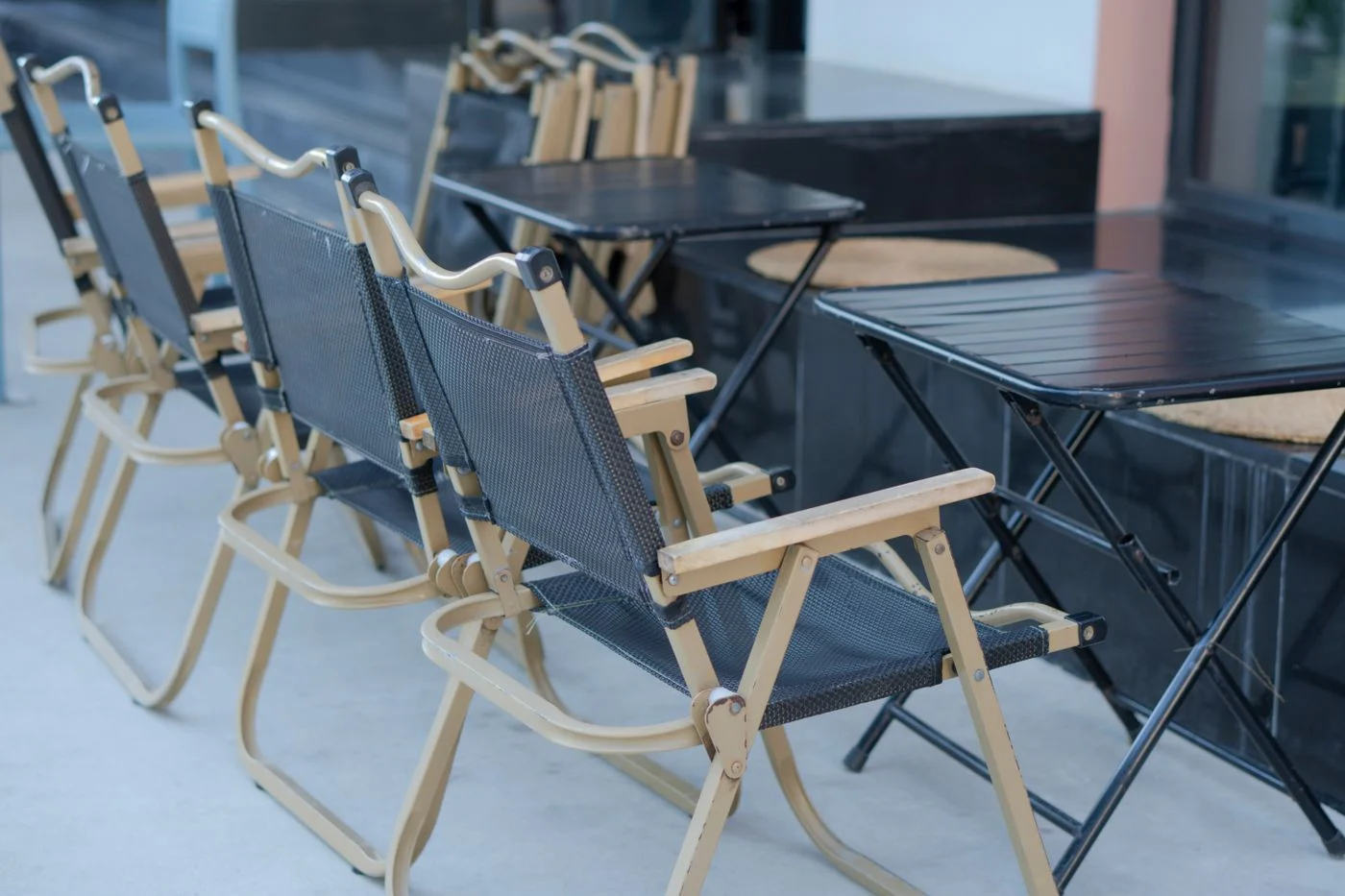 Balconies & plants
Folding furniture saves space when its folded shape actually fits the storage location.
Read article ↗ Balconies & plants
Actual light hours and exposure matter more than a general sunny-balcony label.
Read article ↗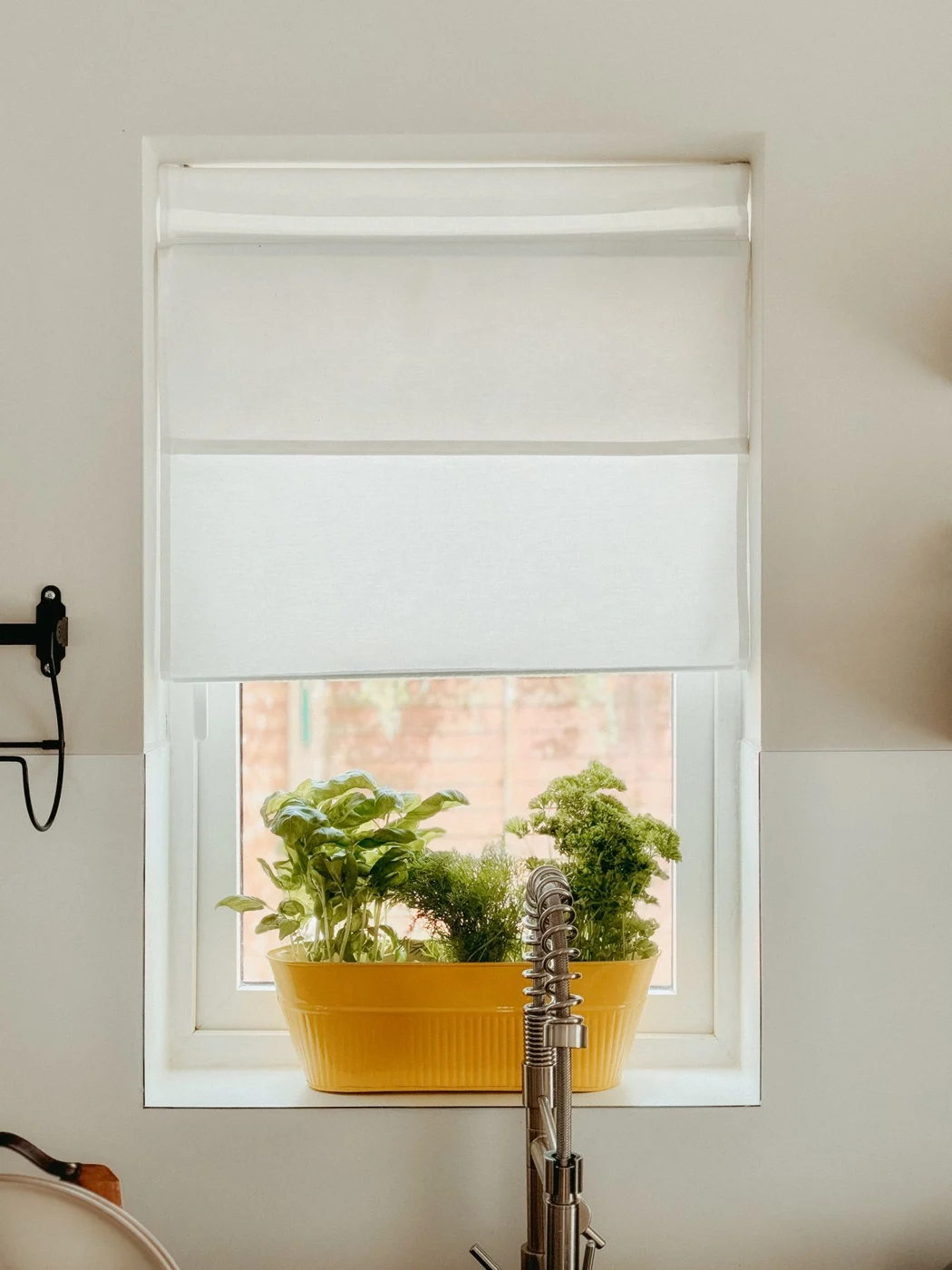 Balconies & plants
Kitchen herbs need a suitable position and care matched to each species.
Read article ↗ Balconies & plants
A removable inner pot makes inspection easier when excess water is not left inside the cachepot.
Read article ↗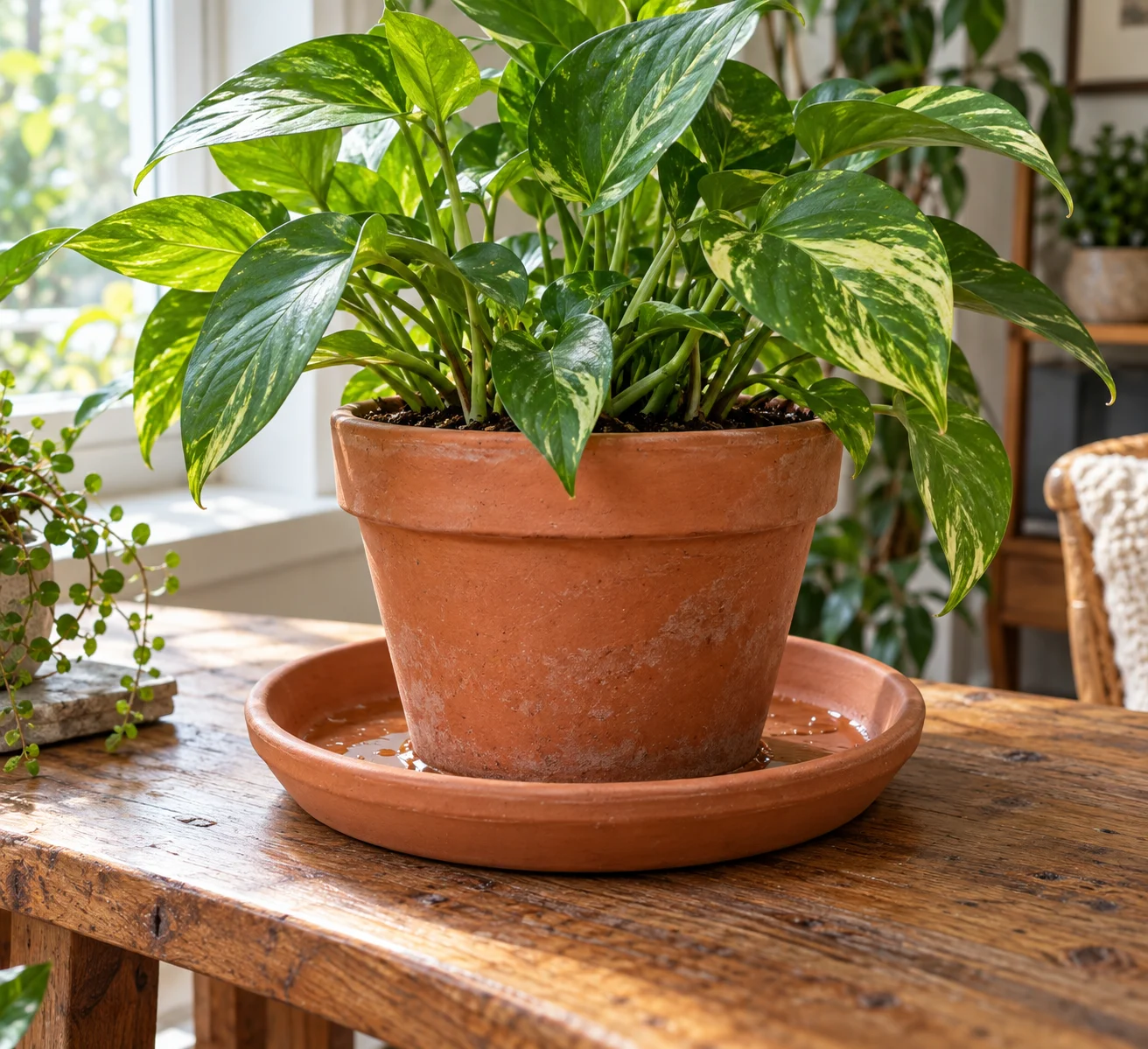 Balconies & plants
A saucer catches water, but still needs inspection and a suitable fit.
Read article ↗ Balconies & plants
A regular checking day can help, but watering still depends on the plant and its growing medium.
Read article ↗ Balconies & plants
A bright window position can become unsuitable for some plants when a radiator is close by.
Read article ↗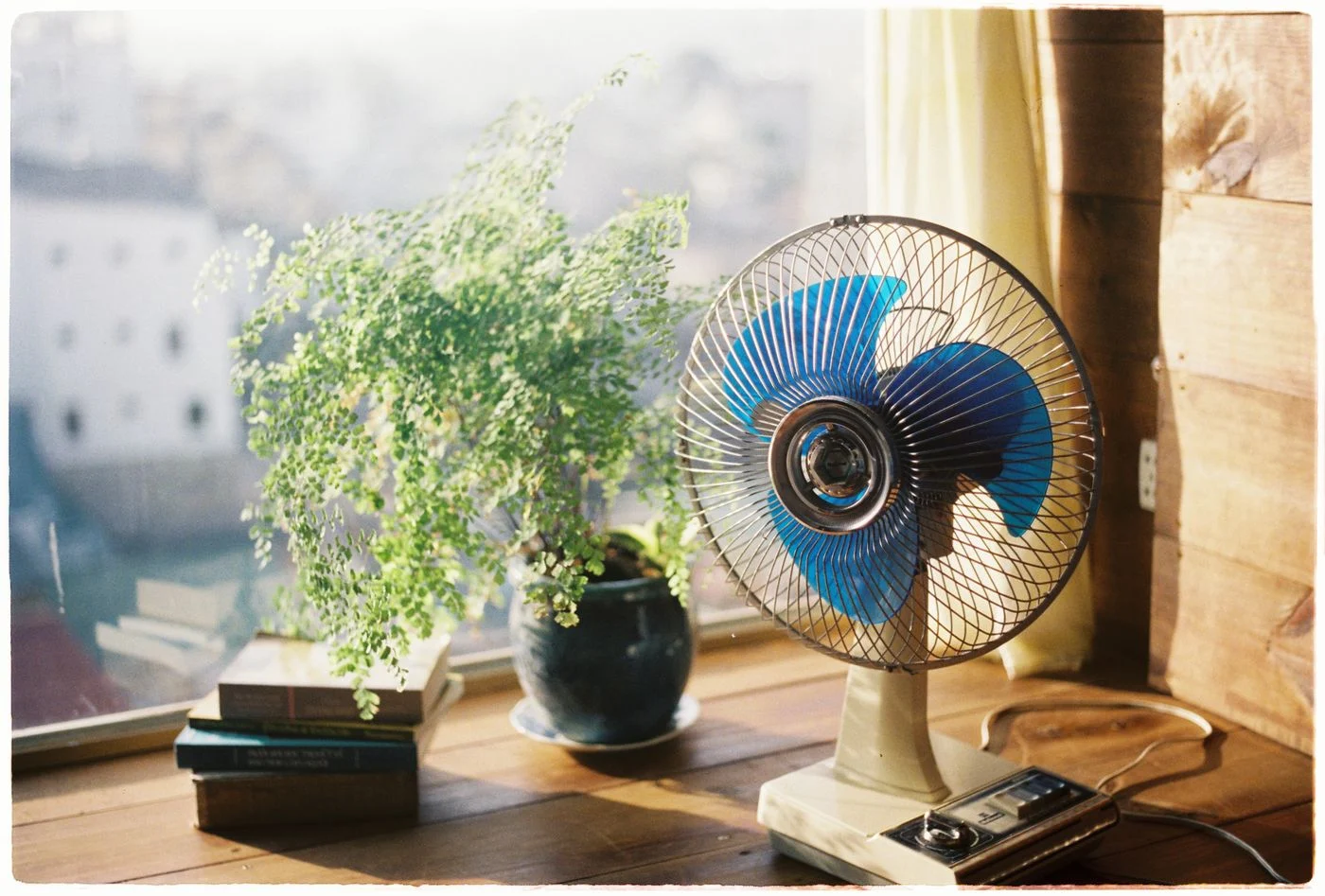 Balconies & plants
A plant table needs to bring light, load and everyday care together.
Read article ↗ Balconies & plants
Moving a plant changes light, temperature and access for care together.
Read article ↗ Balconies & plants
Large smooth leaves can be cleaned gently; different leaf surfaces need different treatment.
Read article ↗ Balconies & plants
A plant support needs to suit the growth habit and sit securely in the pot. Height alone does not tell you whether it will be useful.
Read article ↗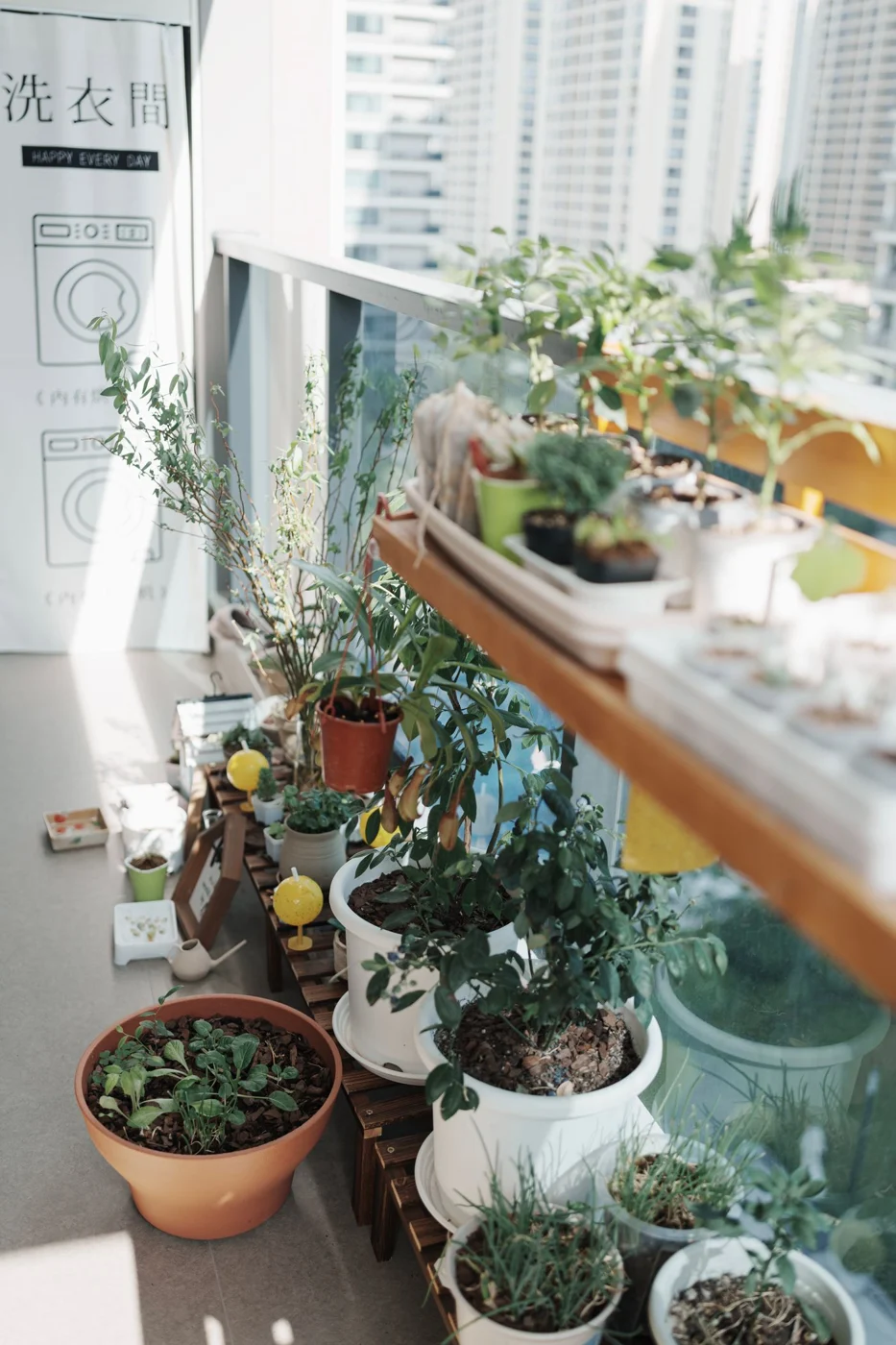 Balconies & plants
A pot's width is only part of the space it occupies. Leaves, saucers and the route used for watering matter on a narrow balcony too.
Read article ↗ Balconies & plants
A larger pot is not automatically the answer to slow growth. Check the plant, roots and growing medium before changing the container.
Read article ↗ Balconies & plants
A dry cover does not prove that the filling is dry. That distinction matters before balcony cushions go into storage.
Read article ↗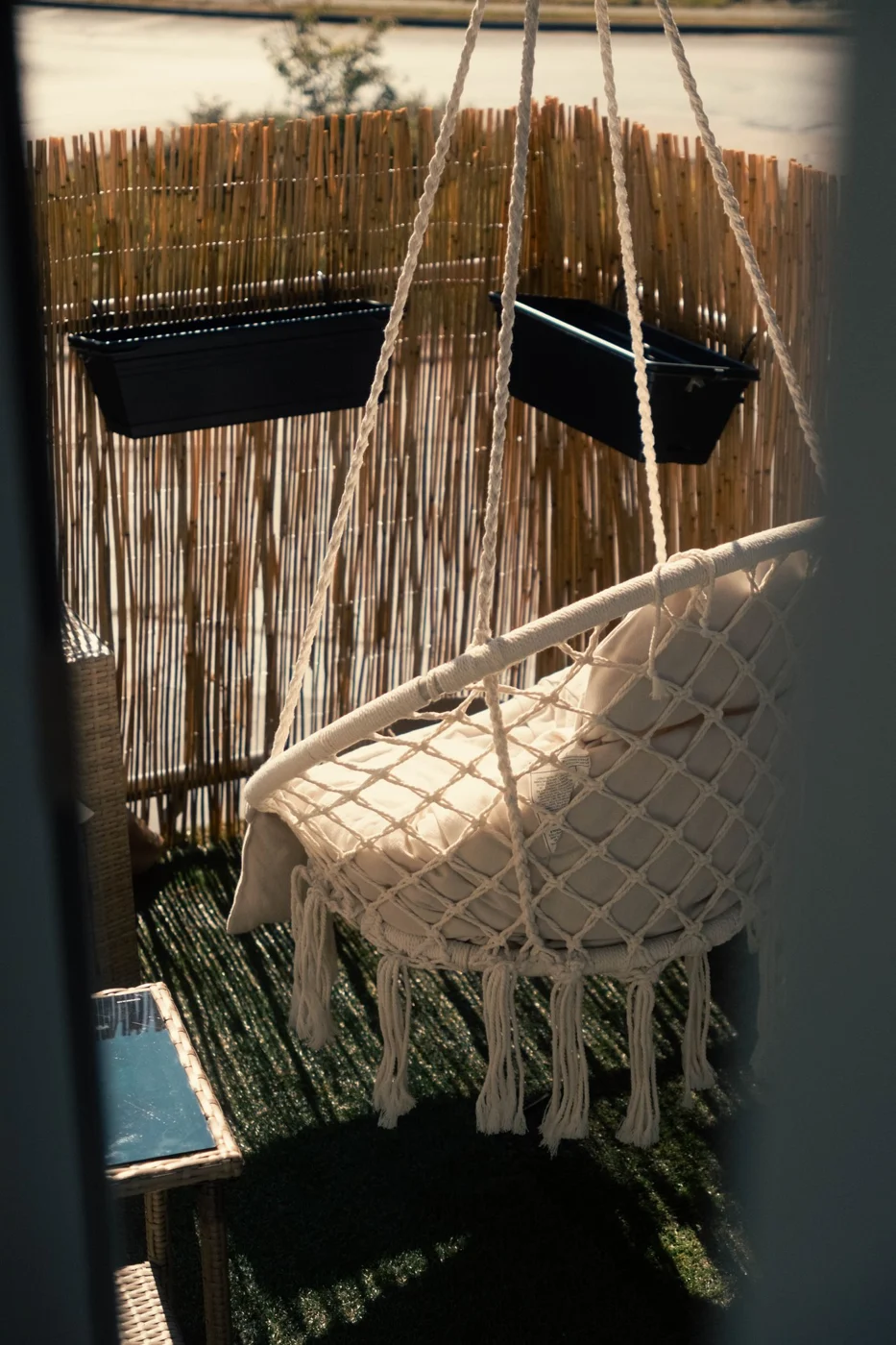 Balconies & plants
Privacy screening only helps when it addresses the actual line of sight. On a small balcony, check that view before buying a large panel.
Read article ↗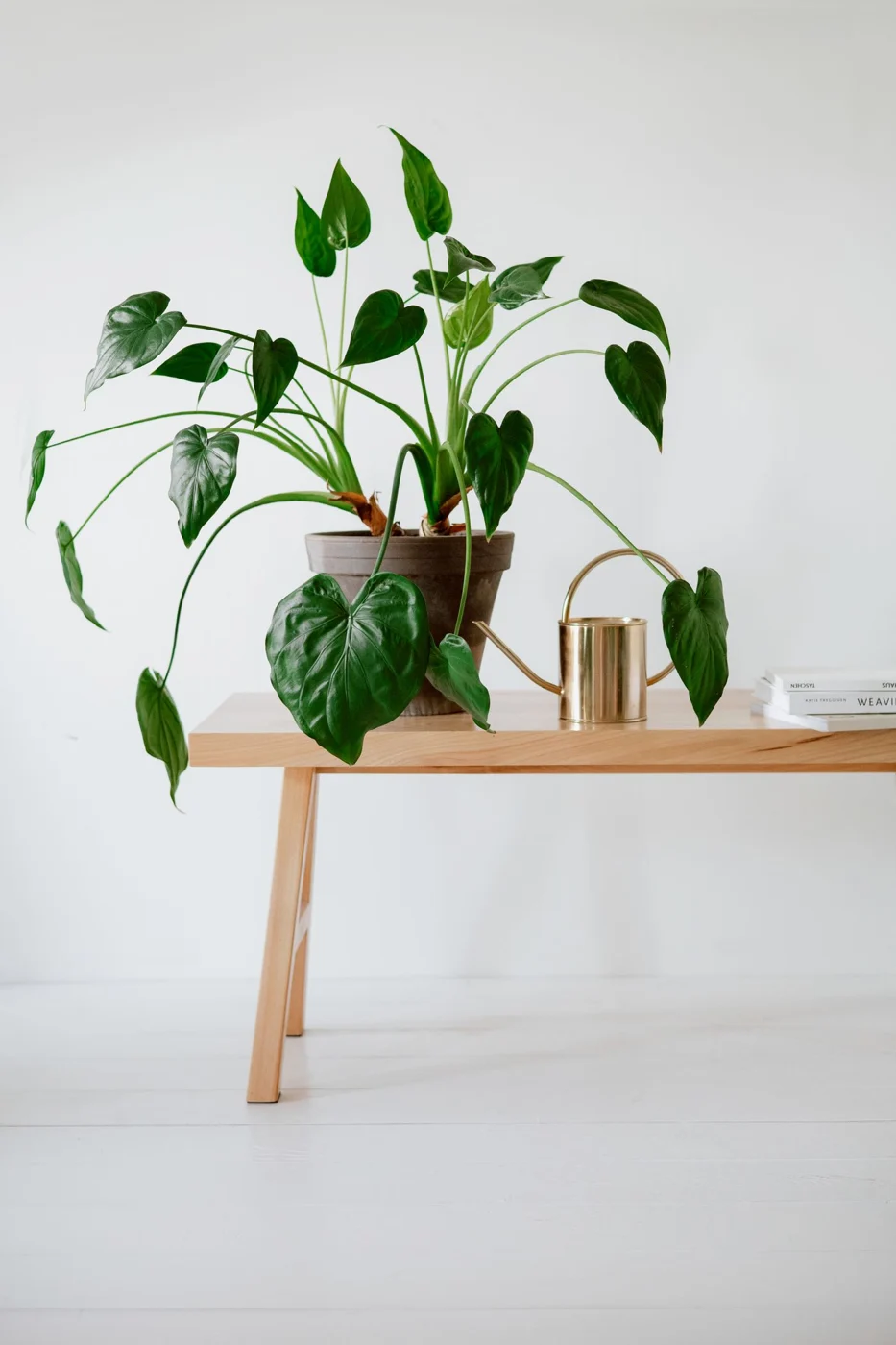 Balconies & plants
A small watering can can remain on display. Dirty tools and damp accessories need a place that can be cleaned and dried.
Read article ↗ Balconies & plants
Holiday care starts with each plant's water needs. A shared large reservoir is not the right answer for every container.
Read article ↗ Balconies & plants
Terracotta and plastic change a pot's weight and water behaviour. The choice also depends on whether it stands alone or sits inside a decorative container.
Read article ↗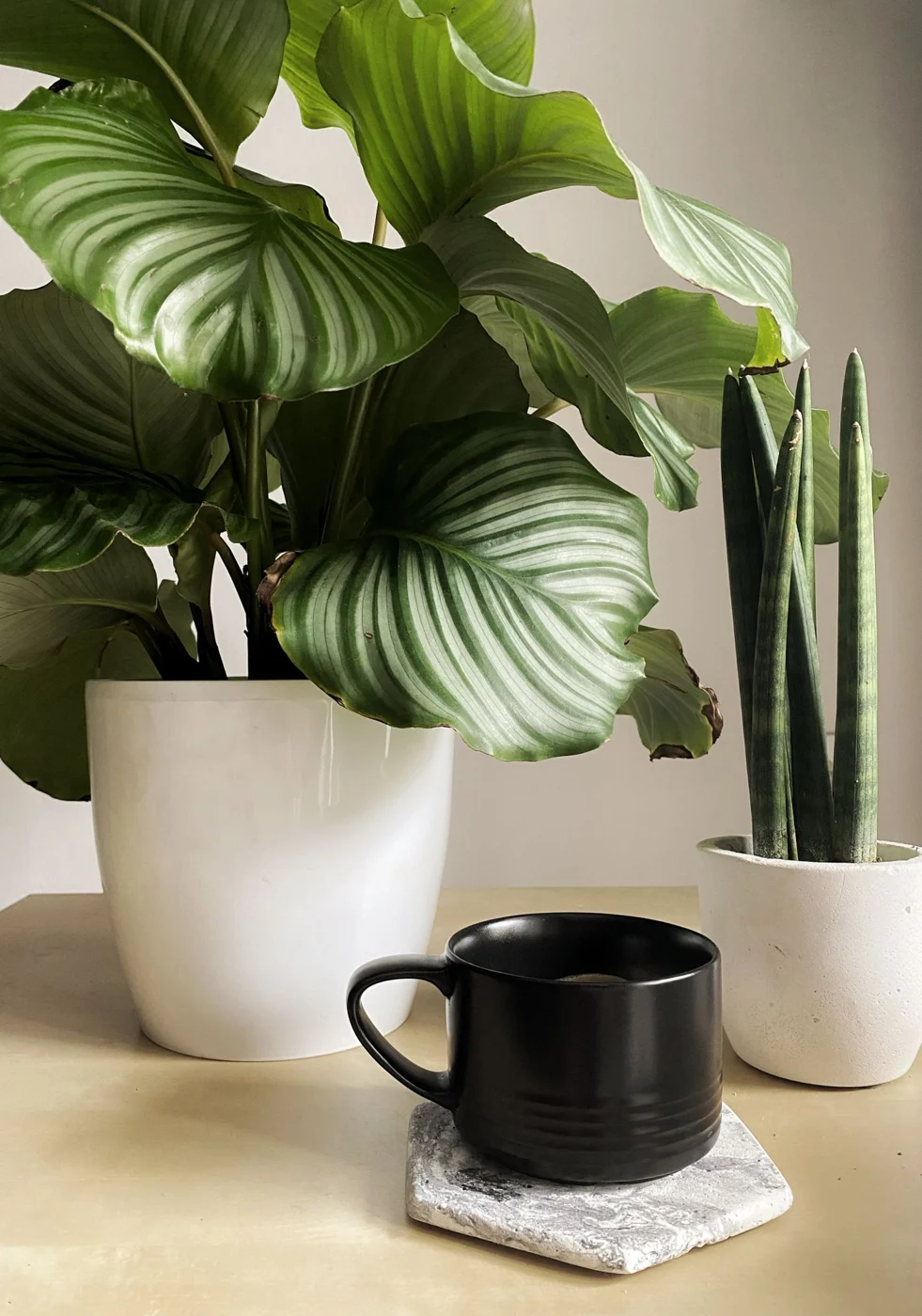 Balconies & plants
The visible pot wall is only one possible source of water. Saucers, pouring edges and the underside of the container deserve equal attention.
Read article ↗ Balconies & plants
A dry leaf can often be removed easily. When many leaves decline at once, care also includes investigating the cause.
Read article ↗ Balconies & plants
A balcony can provide seating without staying full of furniture. The important question is where the table and chairs go between uses.
Read article ↗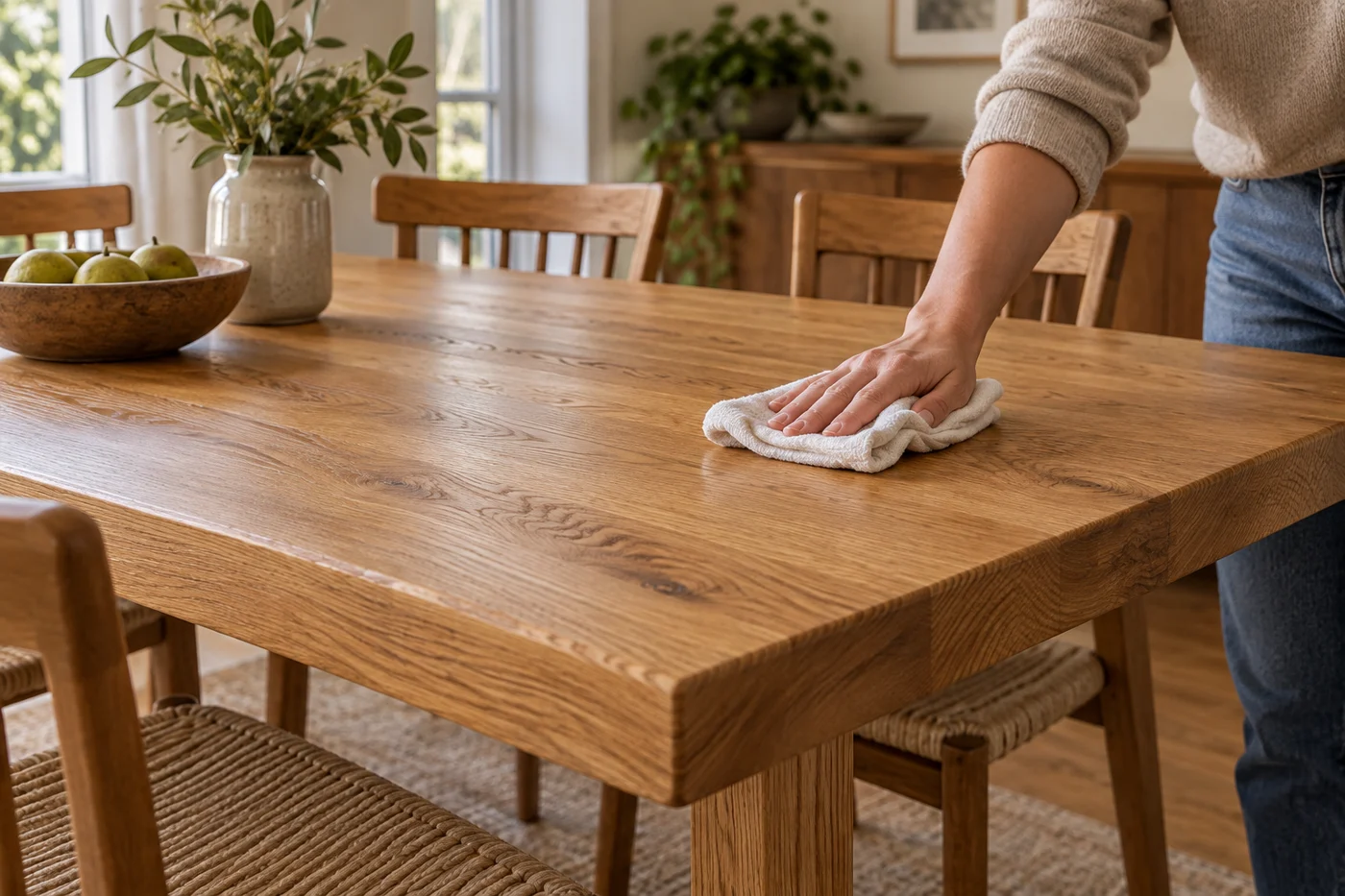 Materials & care
An oiled table is used, not merely displayed. A suitable routine helps dining, working and care coexist on the same surface.
Read article ↗ Materials & care
On lacquered furniture, you clean the coating. The timber beneath it does not by itself determine which product is suitable.
Read article ↗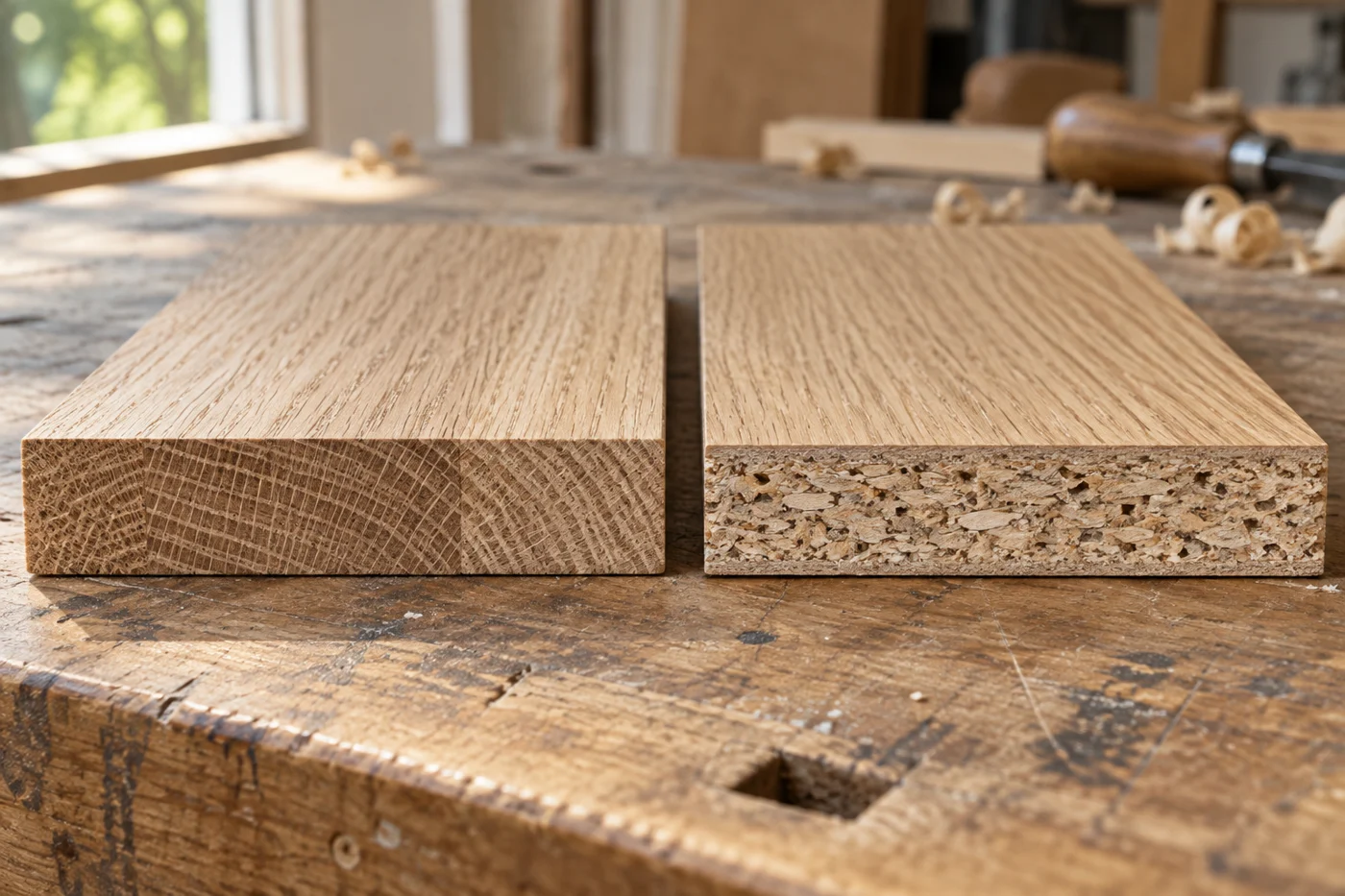 Materials & care
Visible grain does not reveal the entire construction of a piece of furniture. Veneer, solid timber and wood-effect finishes differ beneath the surface.
Read article ↗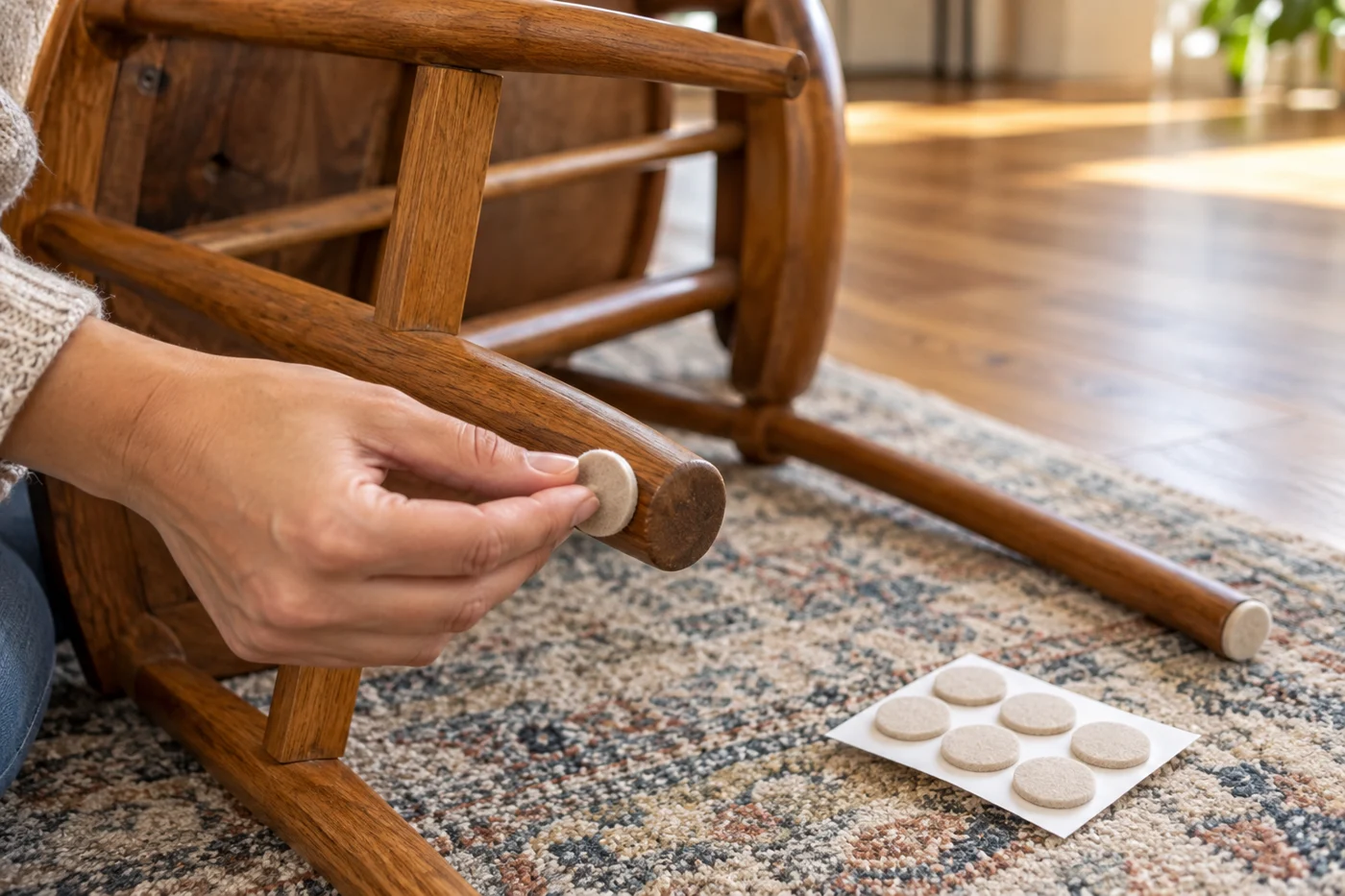 Materials & care
A felt pad is suitable only when it works with the furniture foot, floor and movement. An arbitrary self-adhesive circle is not always enough.
Read article ↗ Materials & care
Cover, filling and frame may need different care on the same upholstered piece. Read guidance for both the complete furniture and the affected component.
Read article ↗ Materials & care
A removable sofa cover can make care easier. Before washing, establish not just the programme and temperature but also drying and refitting.
Read article ↗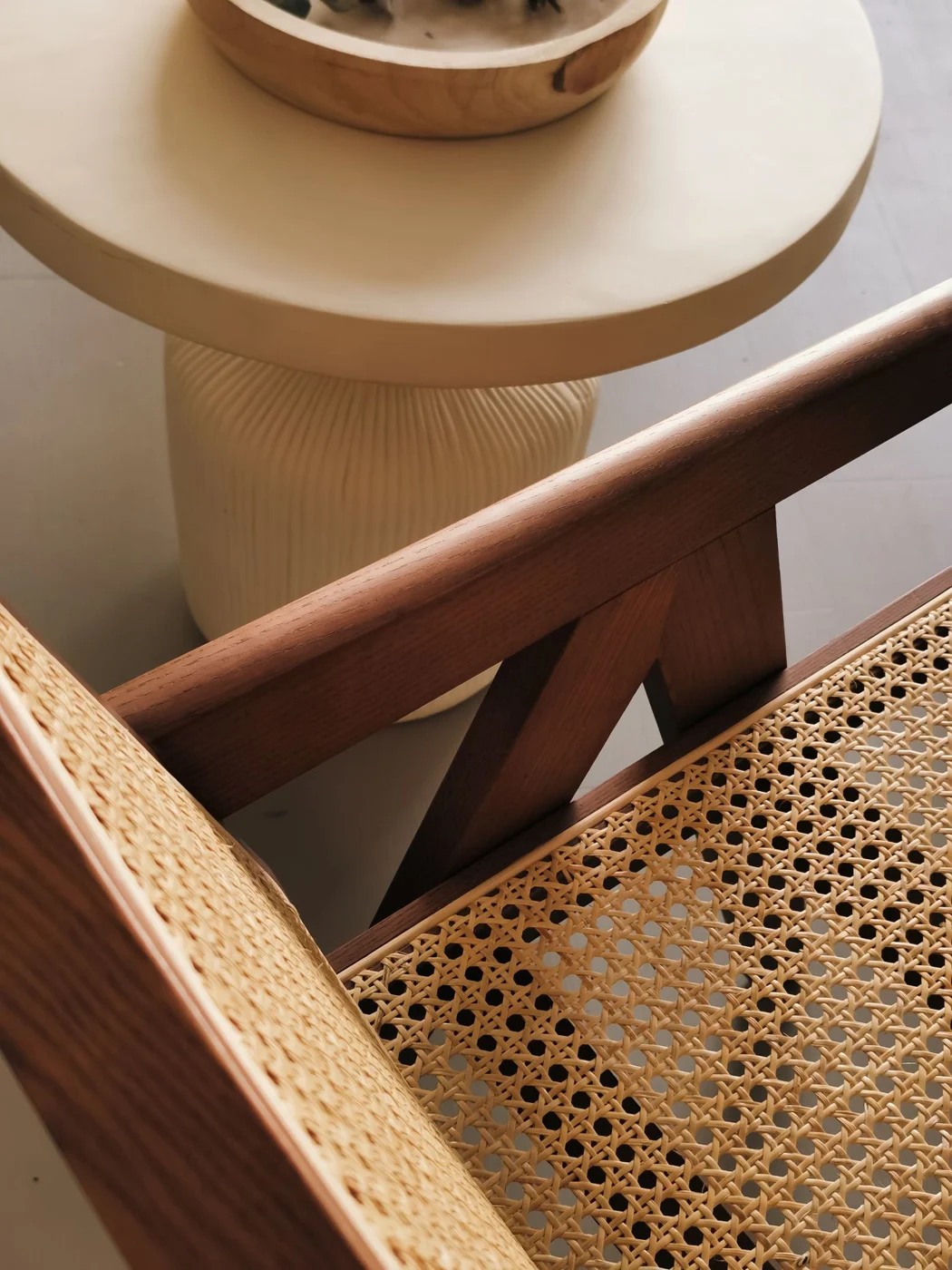 Materials & care
Dust collects between woven strands differently from on a flat panel. Use little pressure and identify the weave material before cleaning.
Read article ↗ Materials & care
A glass top can look clean while still carrying hard particles. Remove them before moving a cloth across the surface.
Read article ↗ Materials & care
Water rings often form beneath objects that rarely move. Looking under the vase, bottle and coaster is more useful than searching for a universal stain remedy.
Read article ↗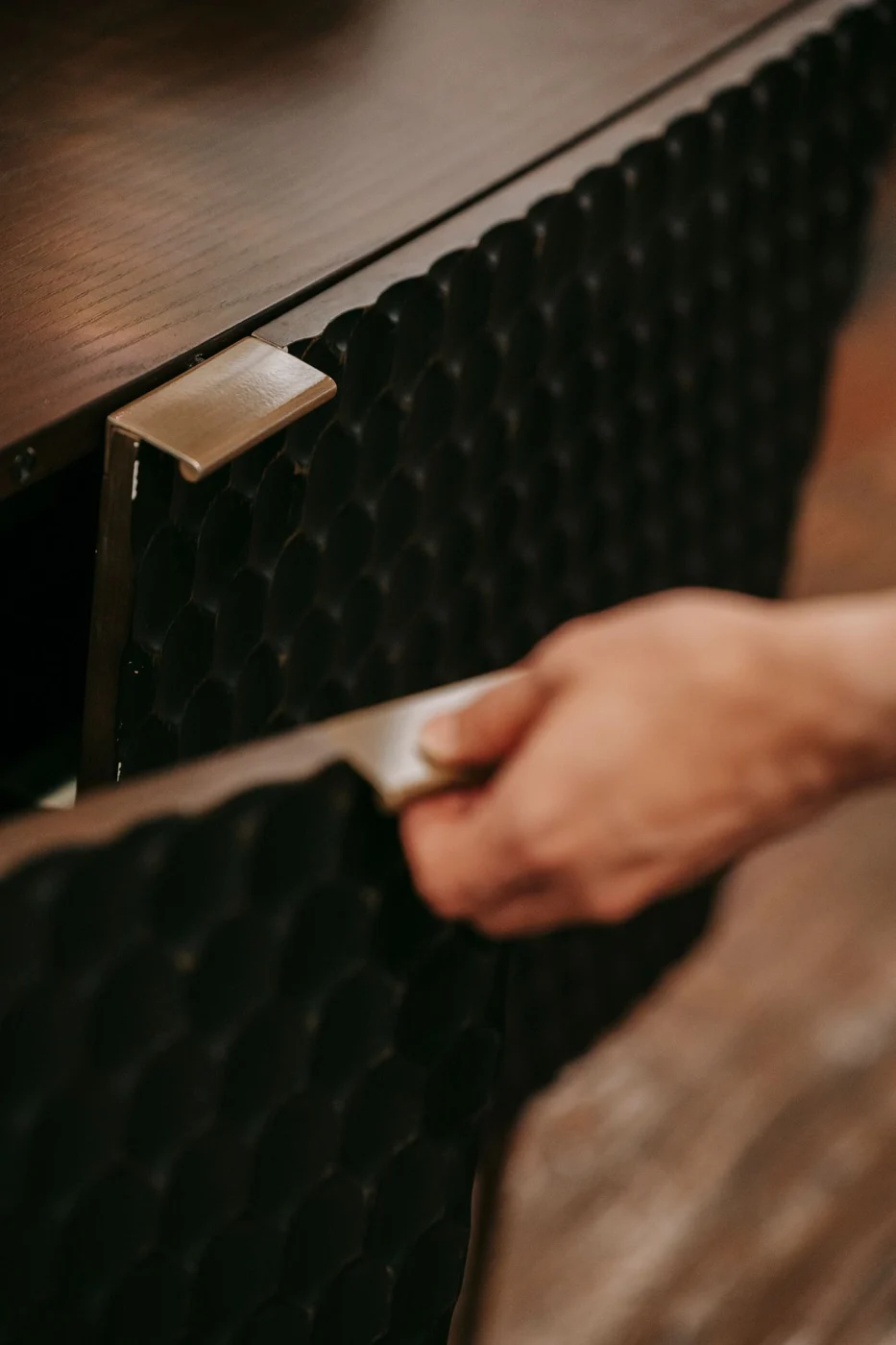 Materials & care
A door that will not close properly is not always a hinge problem. Check contents, free movement and the furniture's position before turning fittings.
Read article ↗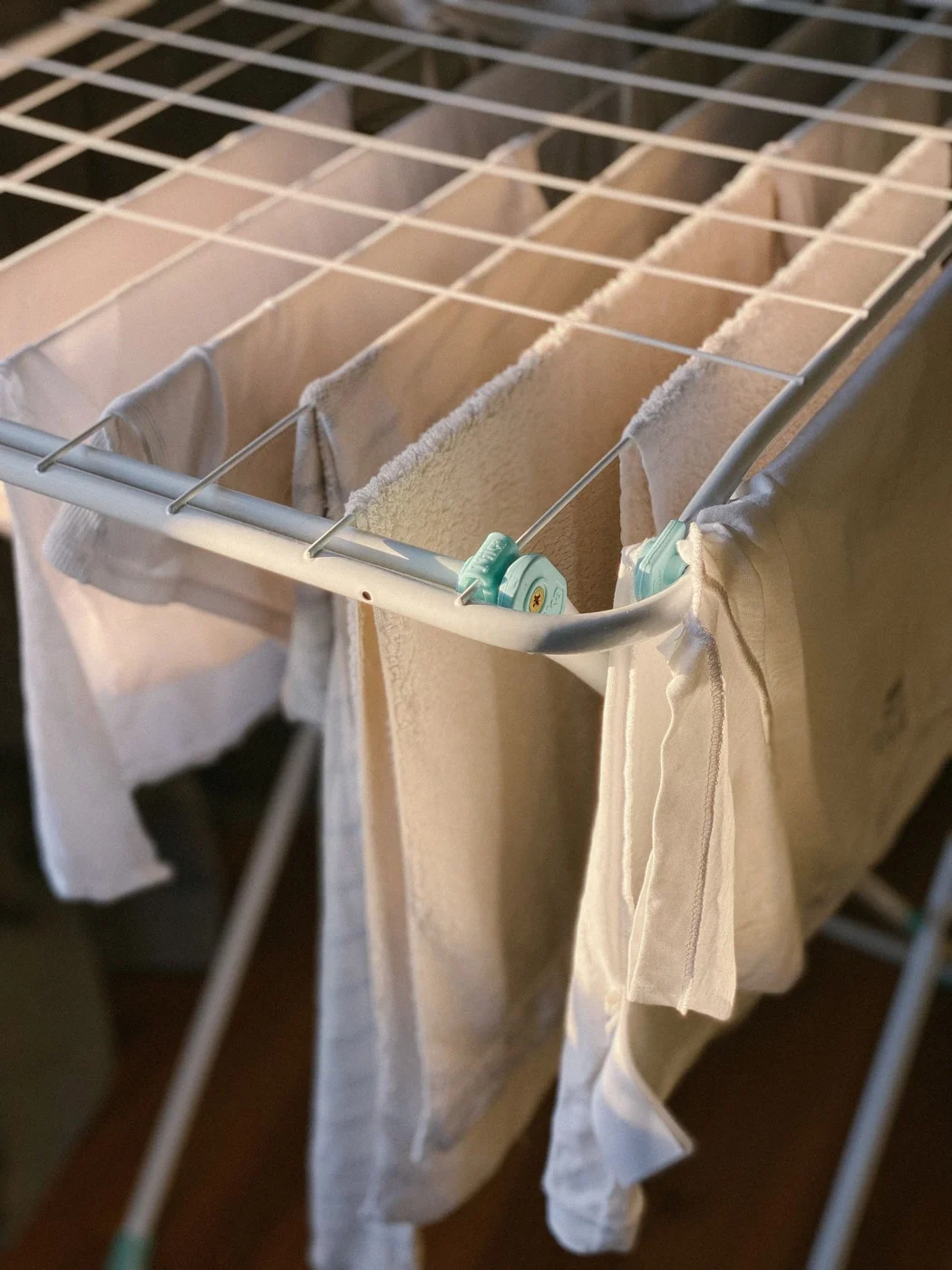 Materials & care
Before storage, consider moisture throughout the textile. Thick seams and several layers may remain damp when the outside already feels dry.
Read article ↗ Materials & care
Damage during rearranging often occurs at corners, feet and narrow passages. Prepare the route before moving the first piece.
Read article ↗ Materials & care
A second-hand rug should offer more than an attractive face. Backing, edges, smell and future cleaning all belong in the buying decision.
Read article ↗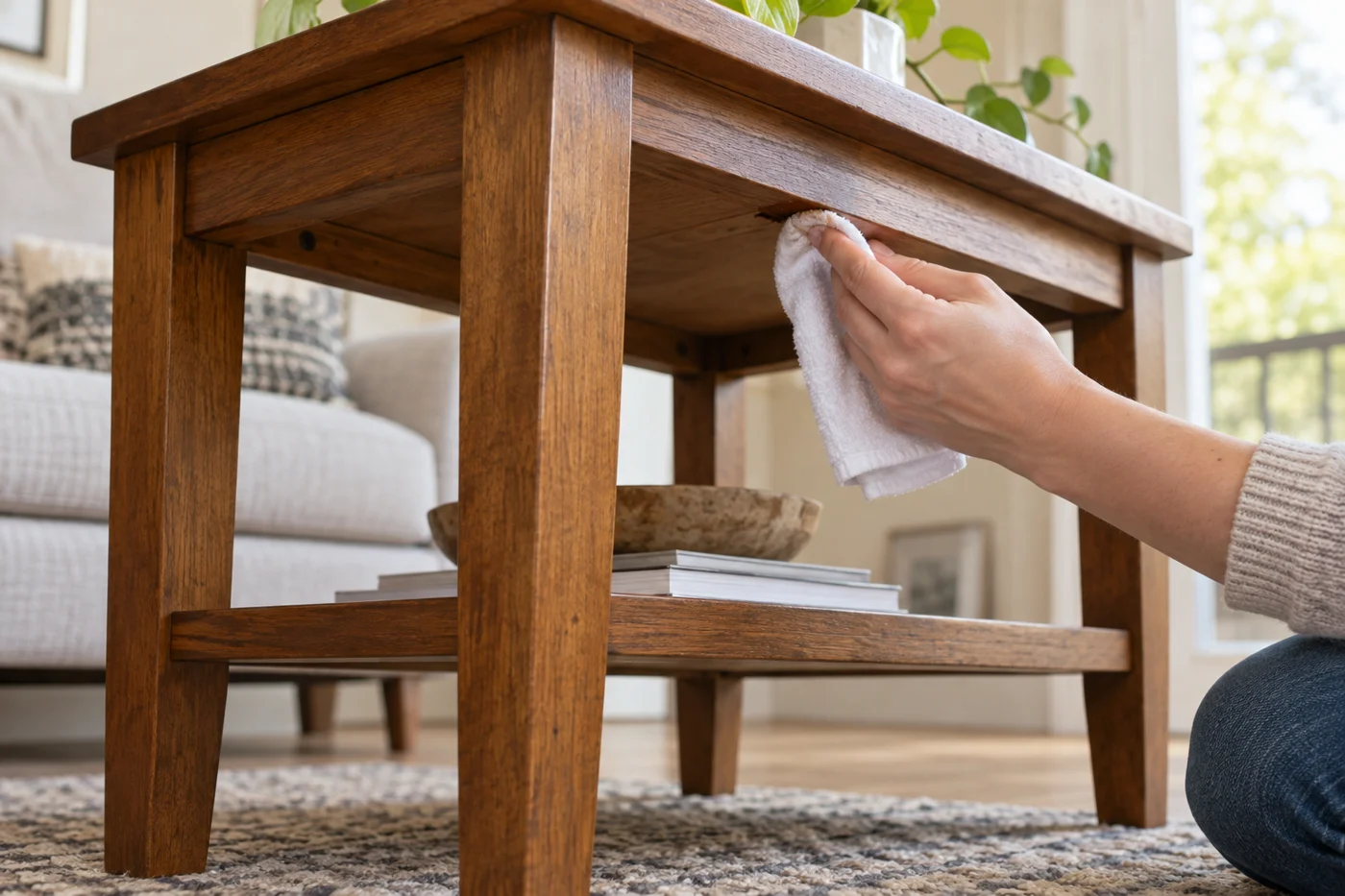 Materials & care
A hidden test can reveal an unwanted reaction early. It is useful only when the product is already intended for the surface in question.
Read article ↗ Materials & care
Before winter storage, clean with feet, joints and undersides in mind. Furniture should be dry before entering its intended storage arrangement.
Read article ↗ Materials & care
A small, clearly labelled care collection is easier to use than many similar bottles. Match each product to its surface.
Read article ↗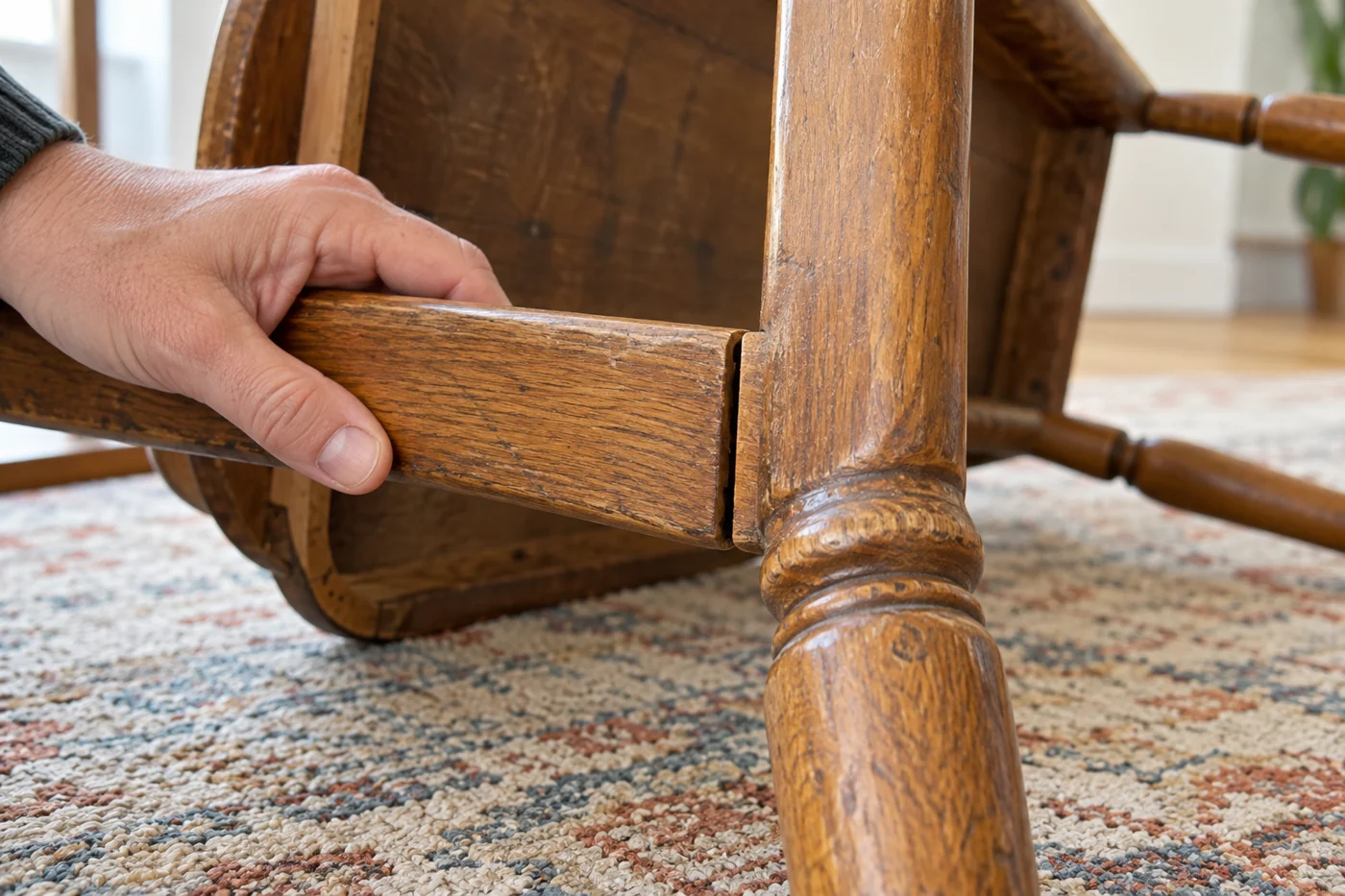 Materials & care
A rocking chair may be on an uneven floor or have a damaged joint. Do not confuse these causes.
Read article ↗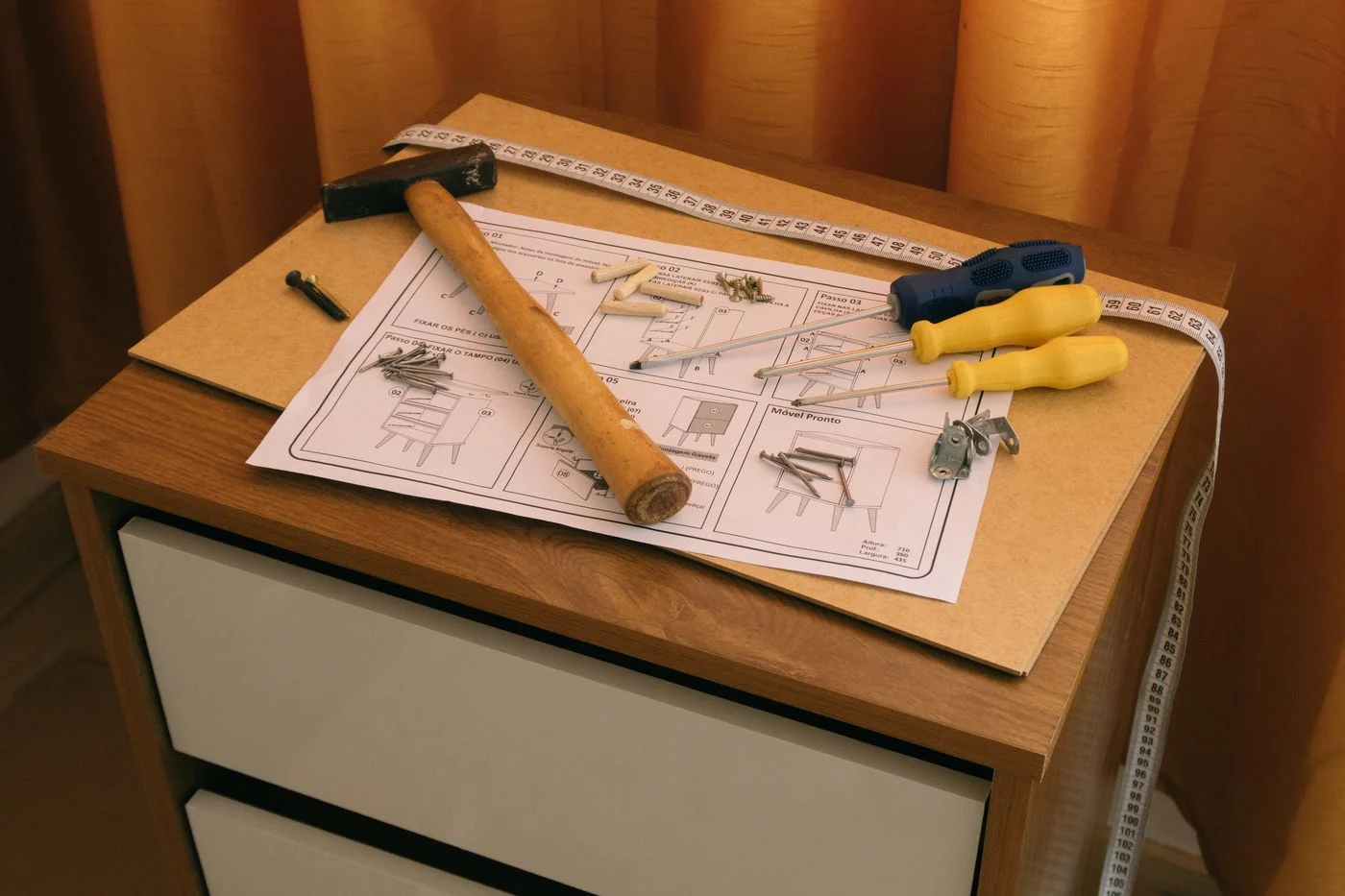 Materials & care
The correct care instructions may later be more useful than the large packaging. Keep product identity, finish and guidance together so they remain findable.
Read article ↗No matching articles. Try another search.