Equal size does not mean equal capacity
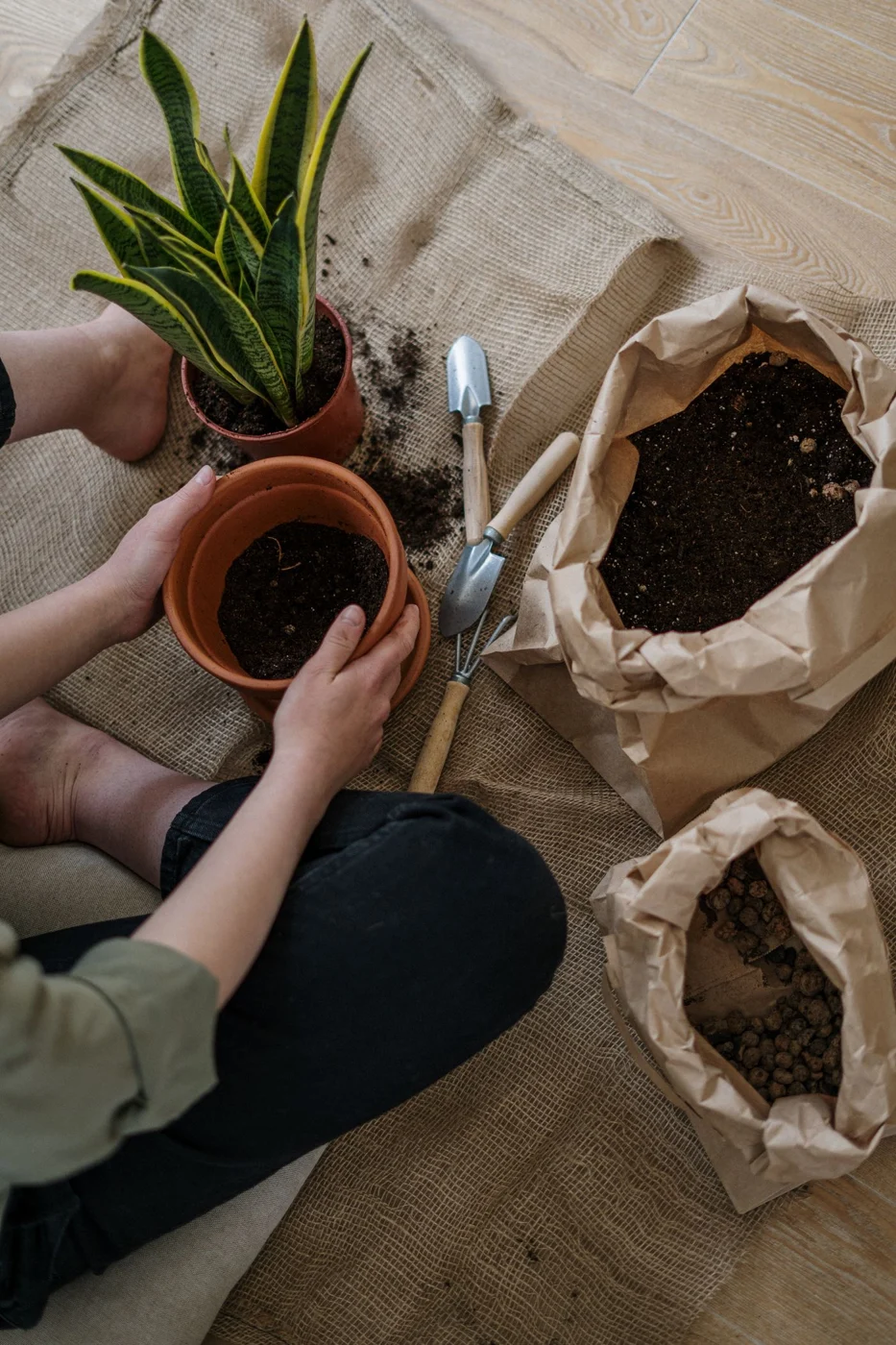
Begin by comparing pots with similar internal volumes. A thick rim or strongly tapered shape can leave less root space despite the same outside diameter. Check whether the vessel is actually intended as a growing pot with drainage. A decorative container without a hole has a different job, regardless of its material.
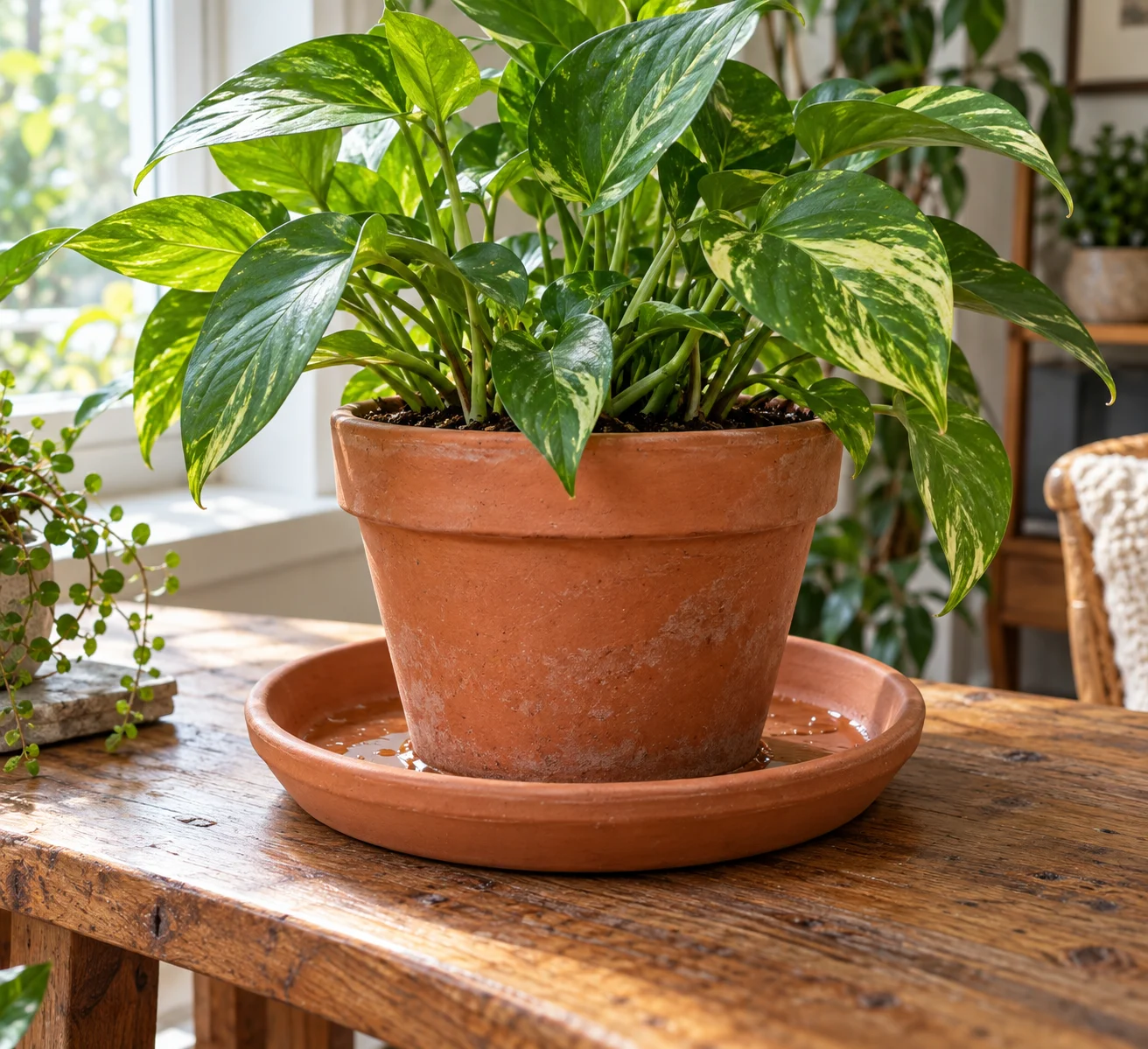
Unglazed terracotta is porous and can lose moisture through its walls. Plastic often retains water longer by comparison. Neither is universally better: the plant, compost and your watering habits need to fit the choice. Glazed clay also behaves differently from unglazed terracotta. Identify the actual product when comparing care advice rather than treating every ceramic container as the same thing.
Consider the working weight
A clay pot adds its own weight, which can be useful in some arrangements. When carrying it, however, you also lift the plant and damp compost. Test how you would grip the container for watering, cleaning or moving. A large specimen on a high shelf can be difficult to handle even when it looks well placed.
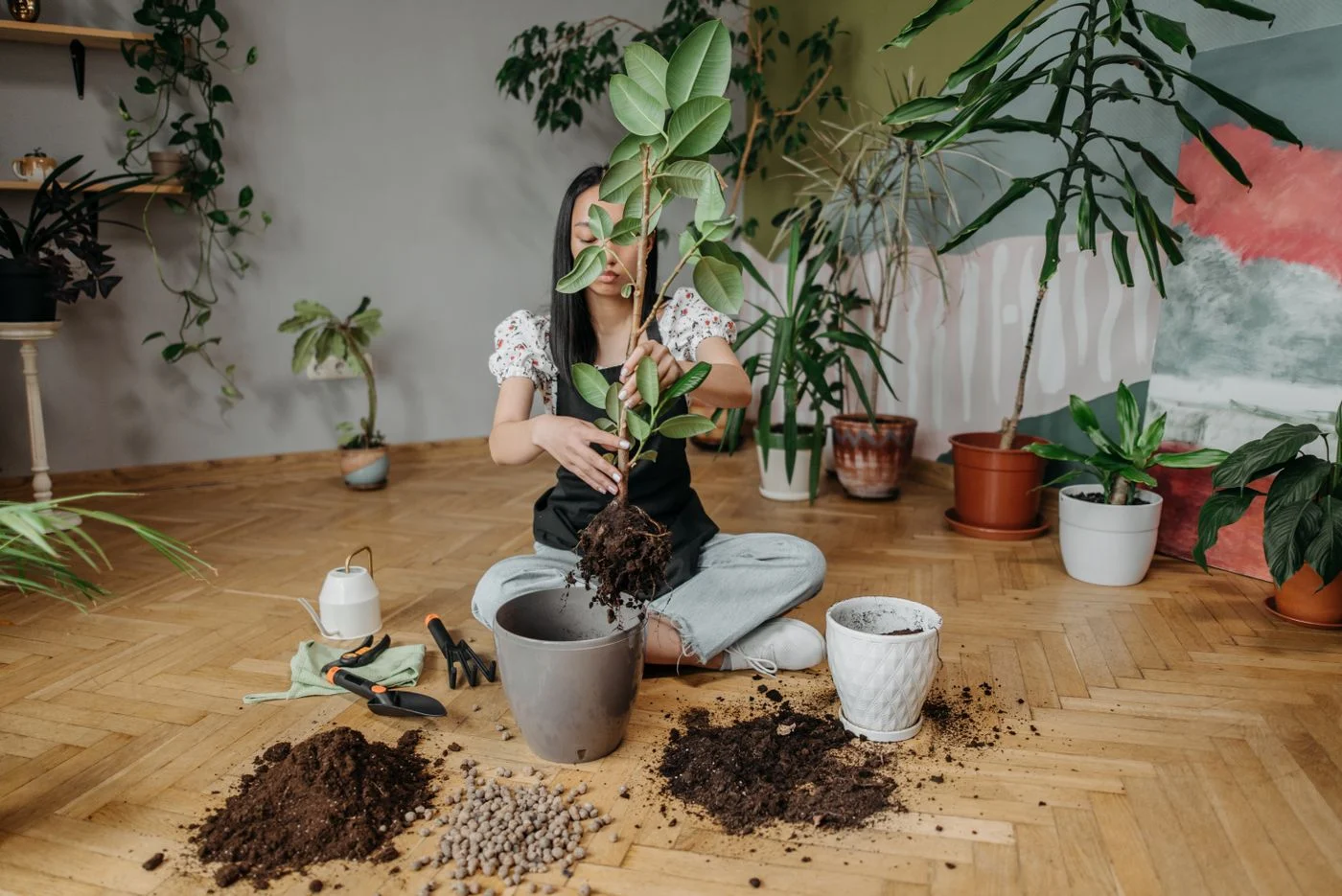
A plastic growing pot is often easier to lift out of an outer container. That helps when you water at a sink. Light weight does not automatically mean stability, though: a tall plant growing to one side may need a more suitable base. Judge the complete arrangement in its intended position rather than the empty vessel.
An outer pot changes the comparison
Compare materials in the arrangement you intend to use. A terracotta pot standing freely on a saucer differs from a plastic growing pot inside a watertight ceramic cover. In the second arrangement, the two containers perform separate jobs: the inner one holds roots and compost, while the outer one determines appearance and may collect water. You still need access to the growing pot and a way to inspect any collected water.
Take the existing inner pot, or accurate measurements of it, when choosing the cover. Check space beneath the rim and at the base, not just the top opening. A tapered container can wedge at the bottom even though it fits comfortably through the opening. If you cannot grip its rim, lifting it out later becomes awkward. An attractive outer pot can therefore be the less convenient everyday choice.
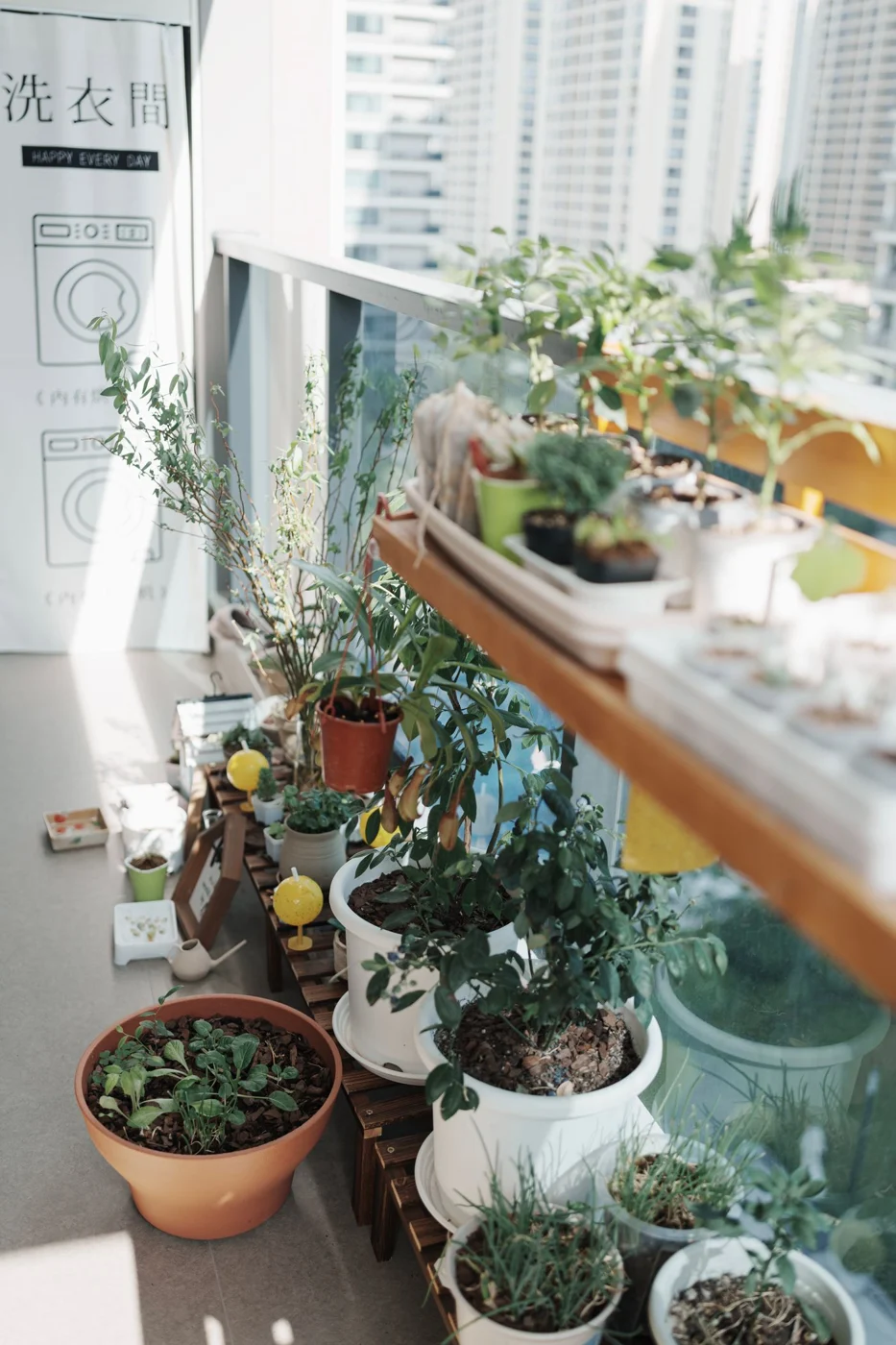
With a larger collection, try changing one suitable plant first. Observe the revised watering and carrying routine before replacing every container. This grounds the decision in your actual positions and habits. There is no need to choose the same material for everything: an easily lifted growing pot on a shelf and a freestanding clay container on the floor serve different purposes.
Surface and surroundings
Do not put porous or damp containers directly on sensitive furniture without checking suitability. Use an appropriate watertight protective surface and inspect beneath it regularly. An apparently dry exterior is not a substitute for checking. White deposits on terracotta are also a different issue from a crack; they should not both be treated with the same aggressive cleaning method.
For outdoor use, look for explicit weather and frost specifications. Not every clay pot suits every winter position, and plastic can also age differently between products. Read the manufacturer's guidance and consider the location. After changing a pot, observe the plant afresh: the watering interval that previously worked may no longer suit the new material and growing medium. Keep the old container only if it remains sound and can be cleaned for another appropriate use.