Name the reason for the move
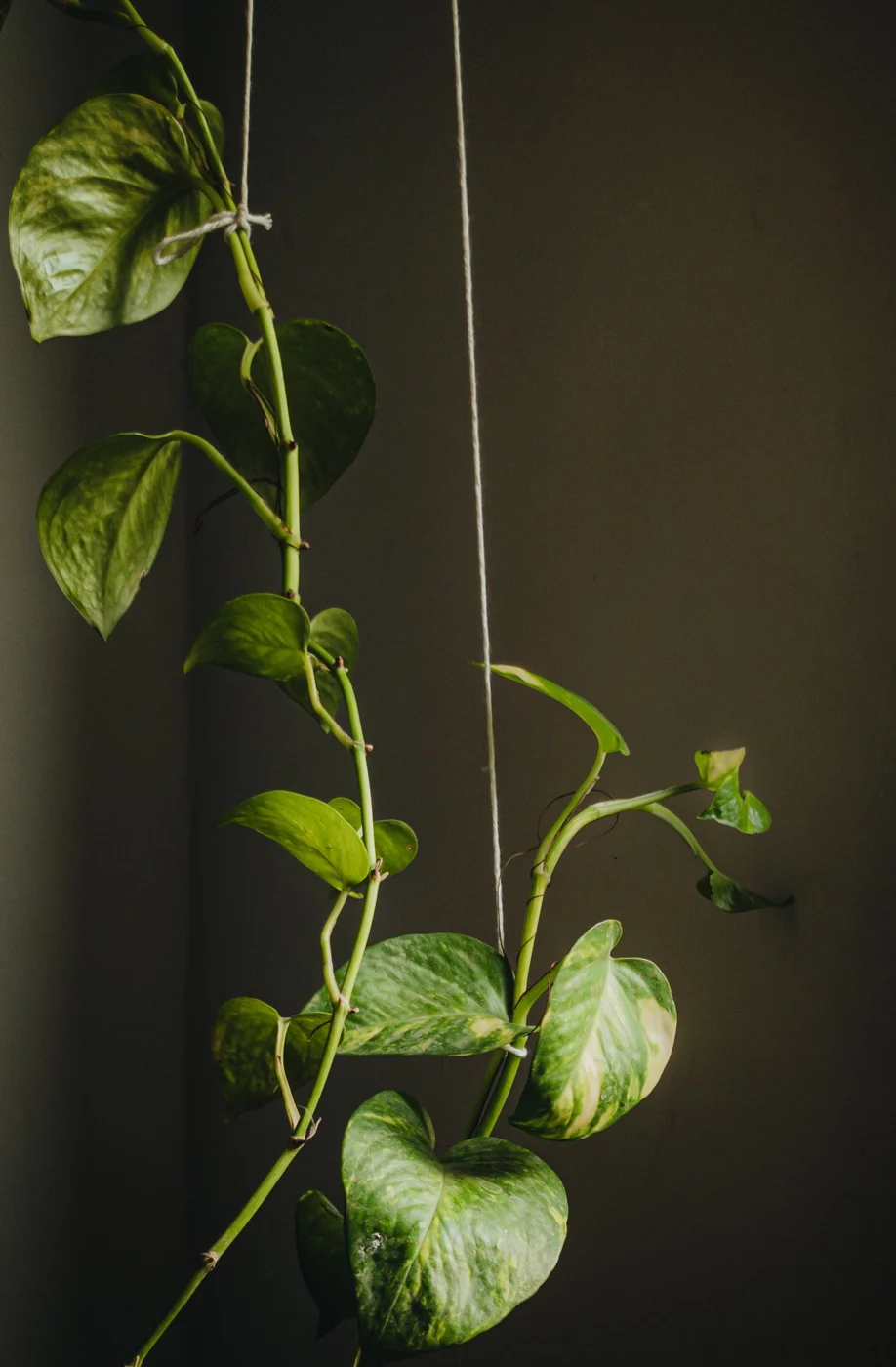
A houseplant may move because furniture has changed or because it is not growing well in its current position. Distinguish those reasons. A decorative rearrangement still needs to meet the species' requirements. If the old position is problematic, identify which condition the move is meant to improve.
Compare light, nearby radiators and possible cold draughts in both places. A bright-looking centre of the room does not automatically receive as much useful daylight as a sill. Observe the new location through the day. One sunny moment is not enough to establish its suitability.
Prepare the move
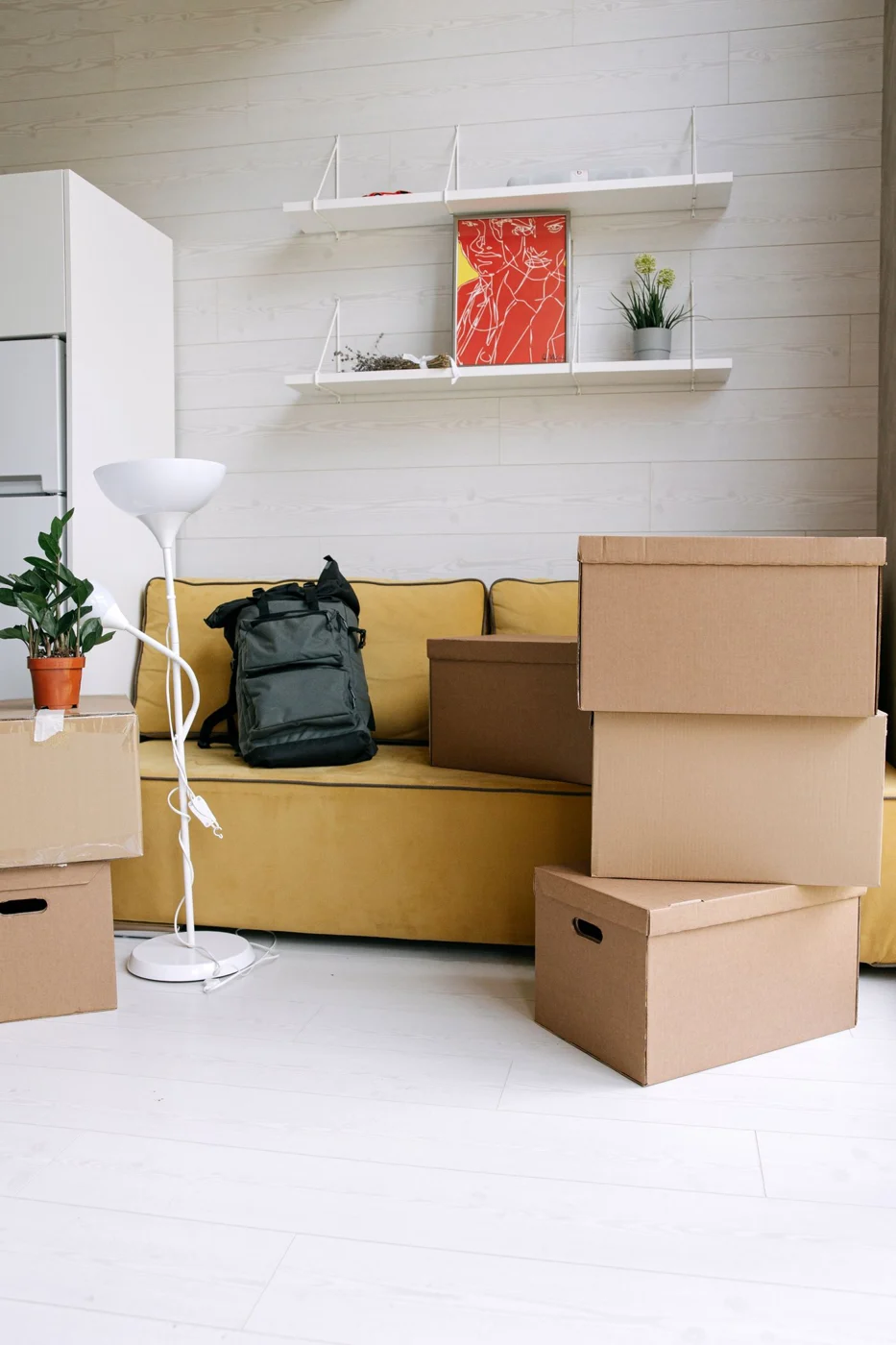
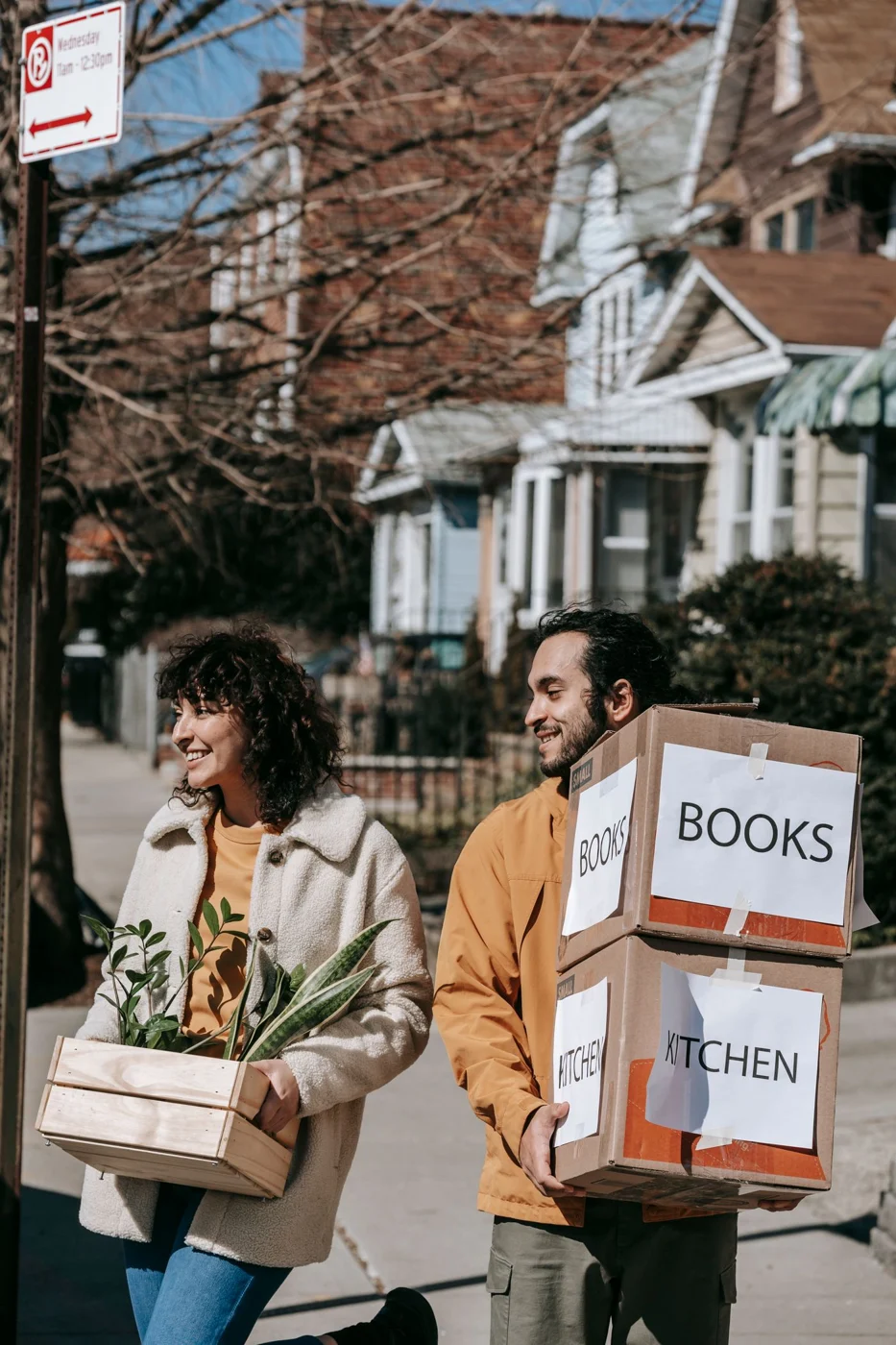
Clear the route and check that pot and foliage fit through narrow points together. Carry the container by a suitable part, not by leaves or stems. Large or heavy plants may need help or appropriate moving equipment. A heavy cachepot can be moved separately where the inner pot can be removed safely.
Check the saucer and pot base for water before carrying them over sensitive floors. Prepare suitable protection at the destination first. Avoid temporary placement on unstable furniture. Even a brief resting point needs adequate capacity, especially where the plant projects widely to one side.
Observe without changing everything at once
After moving, base care on actual moisture and the plant's needs. A new position can alter water use. Do not automatically add water because the move seems stressful for the plant. Inspect the growing medium first rather than assigning extra watering as a universal recovery measure.
Record the date and location if several plants are moved. Later changes become easier to relate to the move. Avoid simultaneously changing the pot, medium, feeding and position without a specific reason; a subsequent reaction then becomes harder to interpret. If the new place proves unsuitable, correct it according to the plant's requirements. The plant does not need to remain in a decorative position that worsens its conditions.