Clear the destination completely
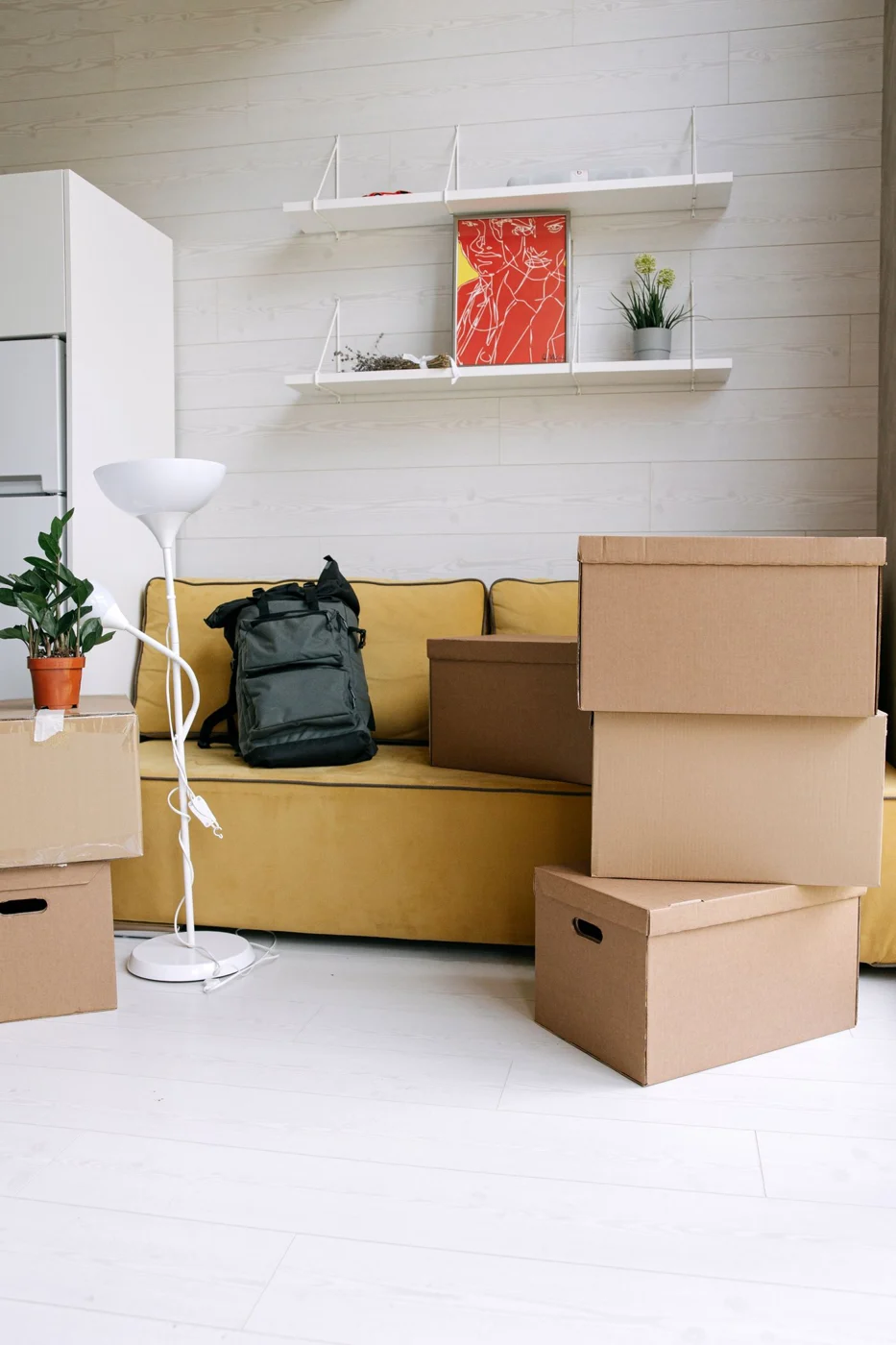
Measure the destination including skirting, radiators and moving doors. Remove loose objects from the floor and inspect the route. A rug edge, cable or low light fitting can obstruct carrying. Decide where the furniture will go before it is already partly lifted.
Check whether it should be dismantled or particular components removed for moving. Follow manufacturer guidance. Loose shelves, drawers and glass tops need securing or separate handling according to construction. Identify matching pieces and keep fittings organised. A full cabinet is not ready for transport merely because its doors close.
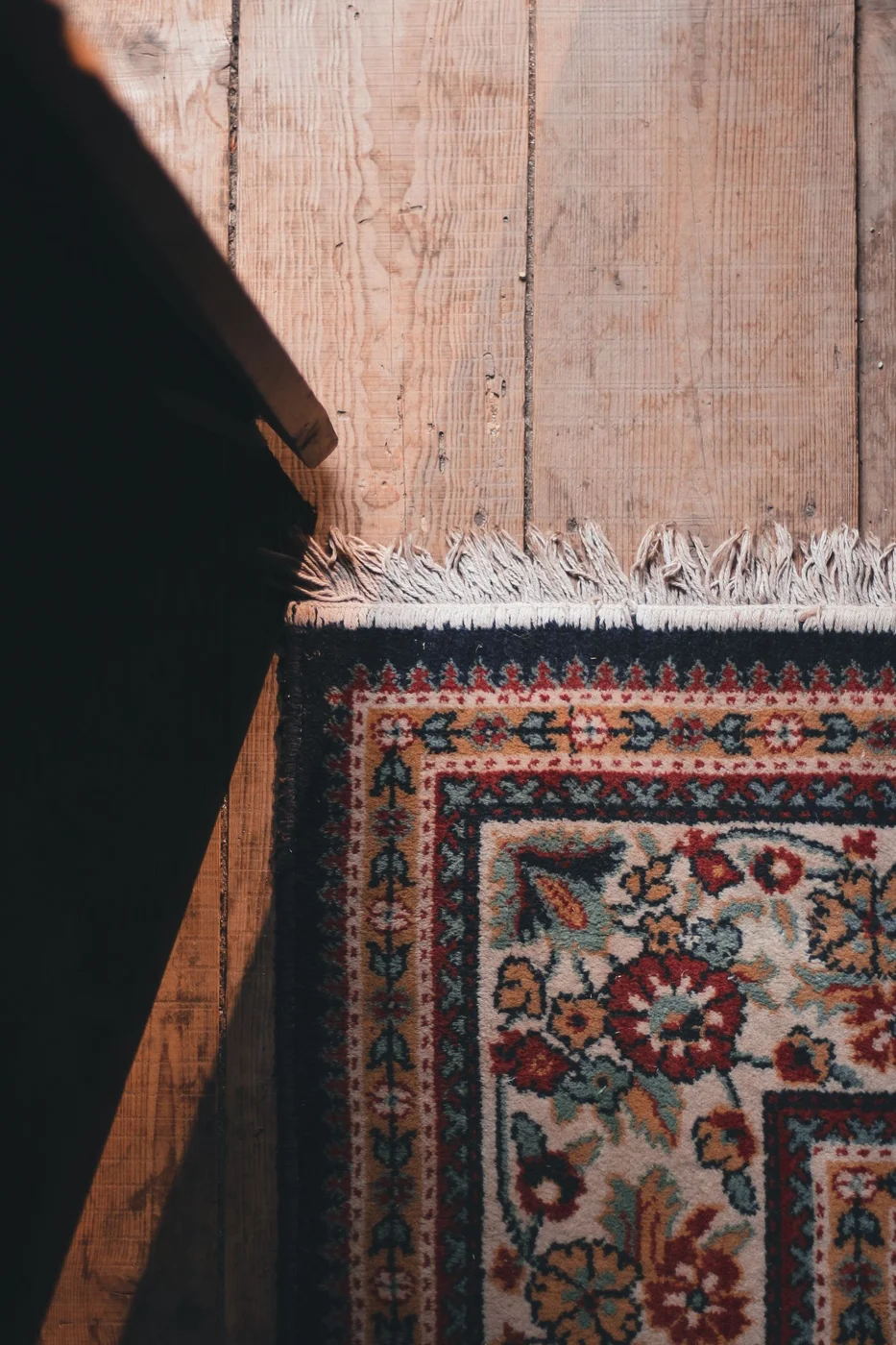
Consider moving a chest from one wall to the opposite side. The direct route looks short but crosses a rug edge. A slightly longer clear route may be easier to manage. Remove drawers where the instructions permit and identify their order. At the destination, also check that drawers can open fully. Otherwise, the piece may arrive undamaged only to need moving again shortly afterwards.
Hold at suitable points
Handles, armrests and thin tops are not automatically carrying points. Establish where the piece may be supported and how many people or which appropriate aids are needed. Obtain suitable help if weight, size or route is uncertain. Pulling a projecting component can strain connections before the furniture leaves the floor.
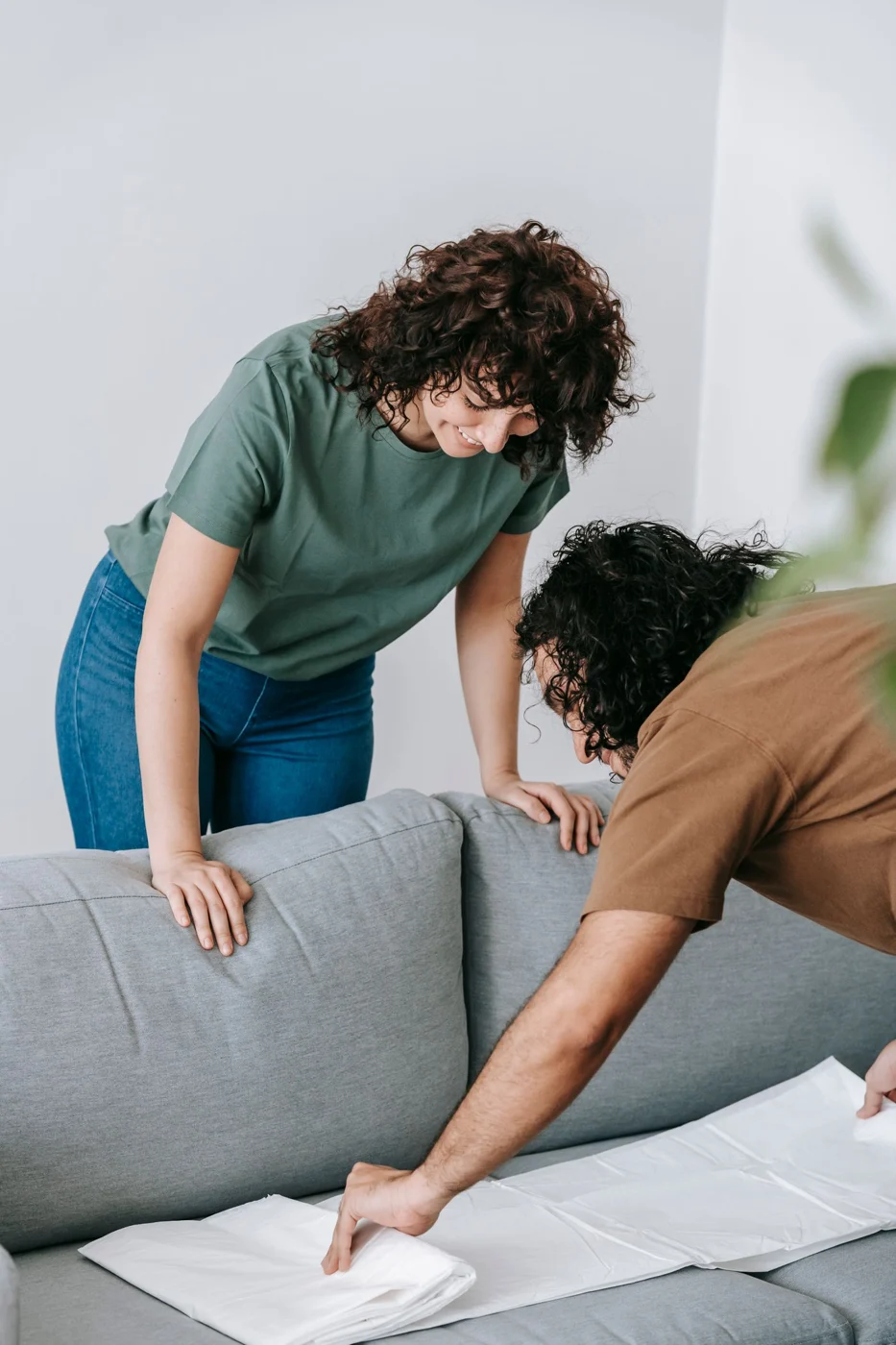
Protect sensitive surfaces with appropriate clean materials that do not trap coarse particles. Do not attach adhesive tape directly to an unidentified finish. Protective blankets must not compromise a secure grip. Agree the route and resting points with everyone involved rather than unexpectedly changing direction while carrying.
Assess floor and furniture separately
A glide suitable for ordinary use is not automatically a transport aid for every route. Sliding can strain delicate floors or furniture joints. Follow the intended handling method and use only equipment suitable for the weight, construction and surface. Thresholds and rug edges change the conditions; do not simply apply more force there.
After placing the piece, inspect feet, joints and intended stability. Correctly reinstate required restraints before normal use or loading. Then check doors and drawers. The new location may reveal a need for adjustment according to the instructions. Return contents and decoration only when the furniture stands appropriately. Keep any unused fittings clearly identified until the move is fully checked, rather than discarding a part that may belong to a required attachment.