Name the two functions
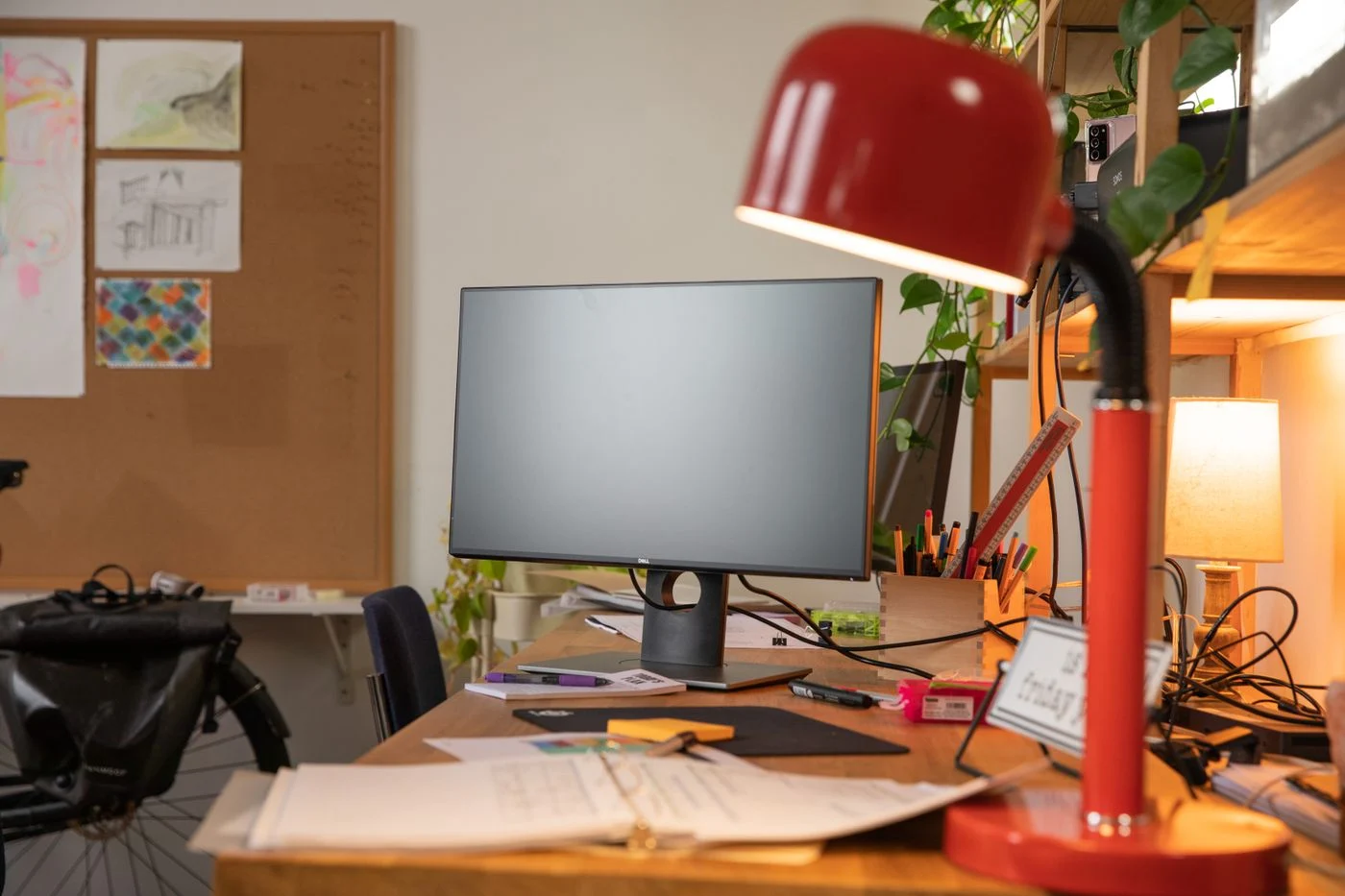
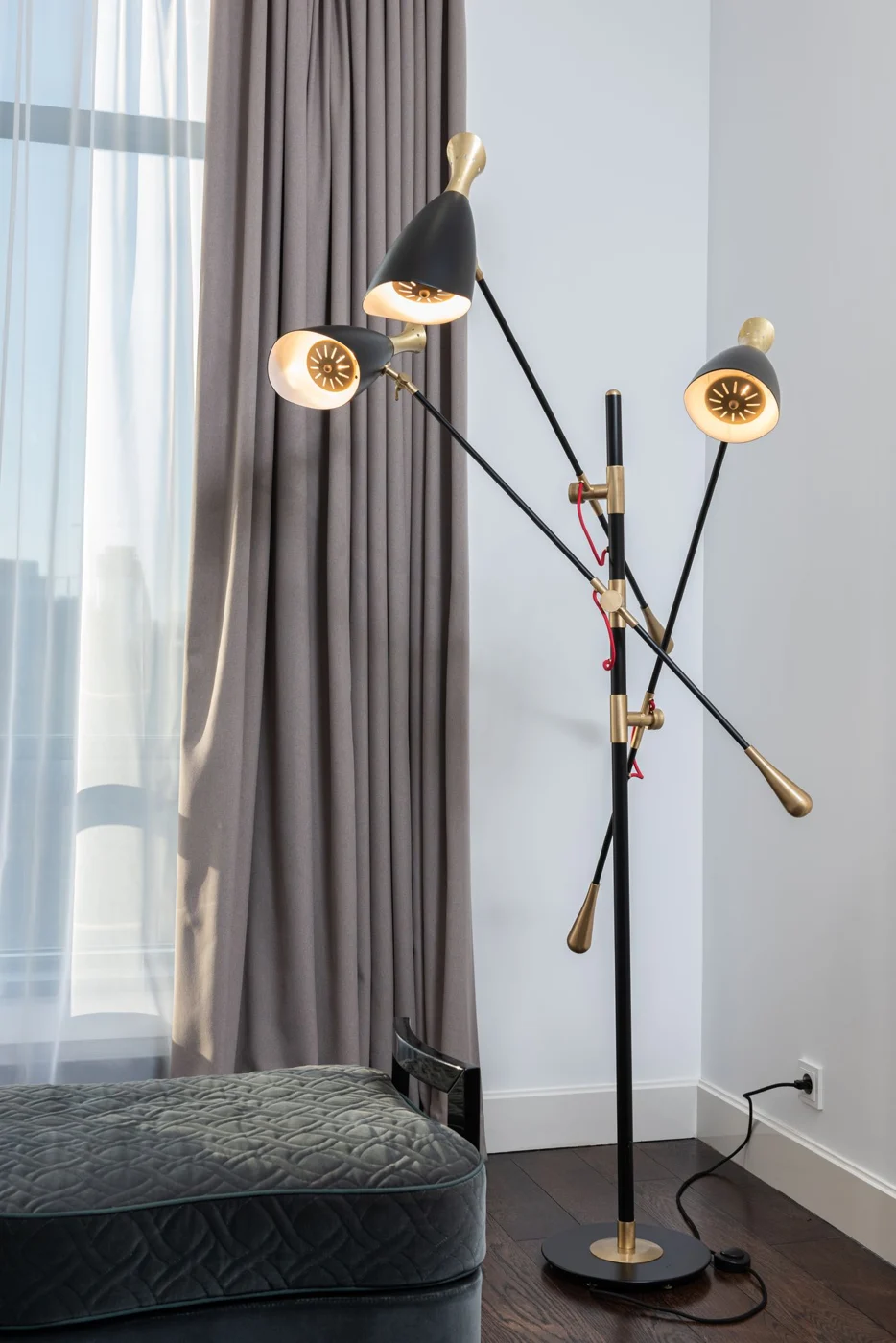
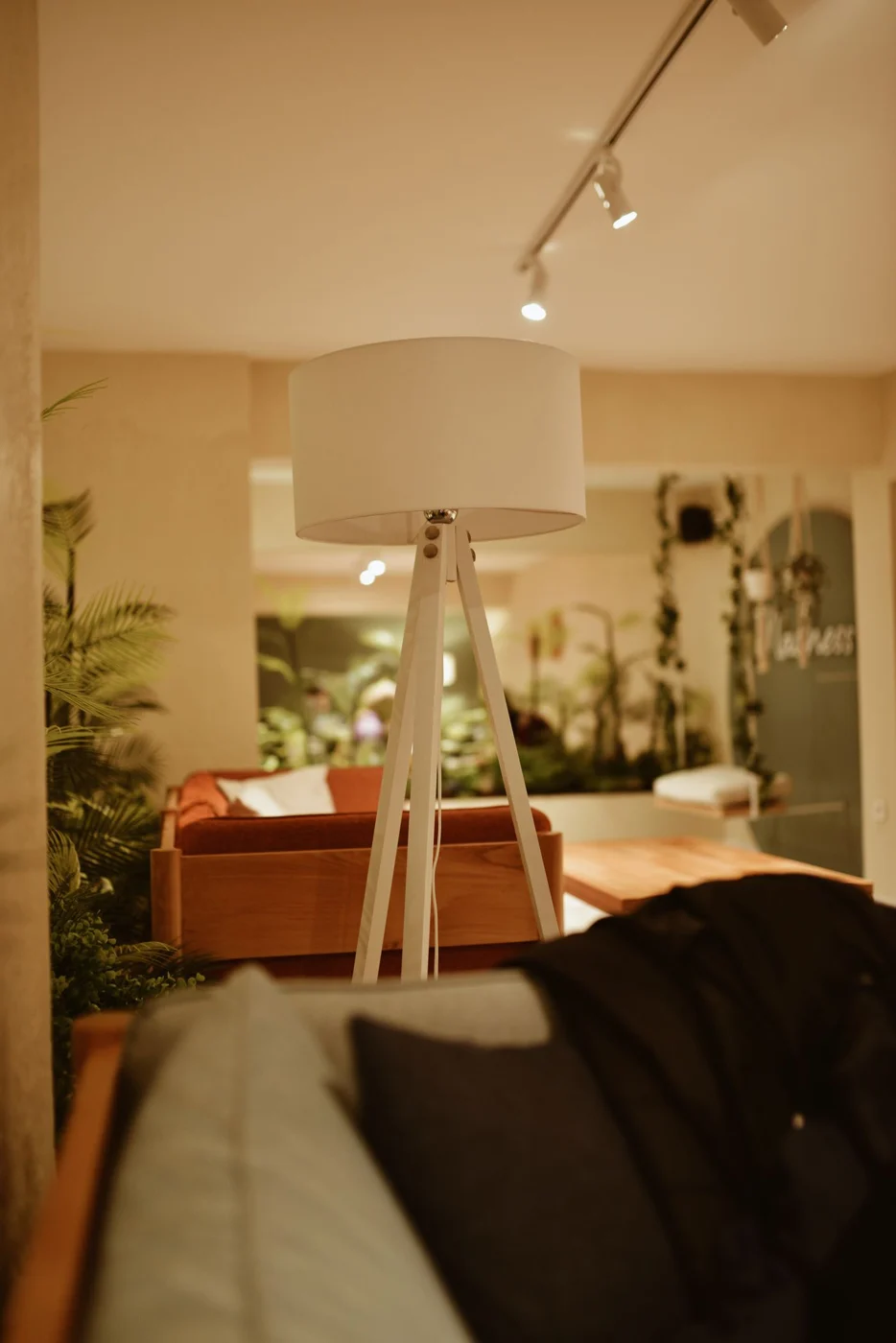
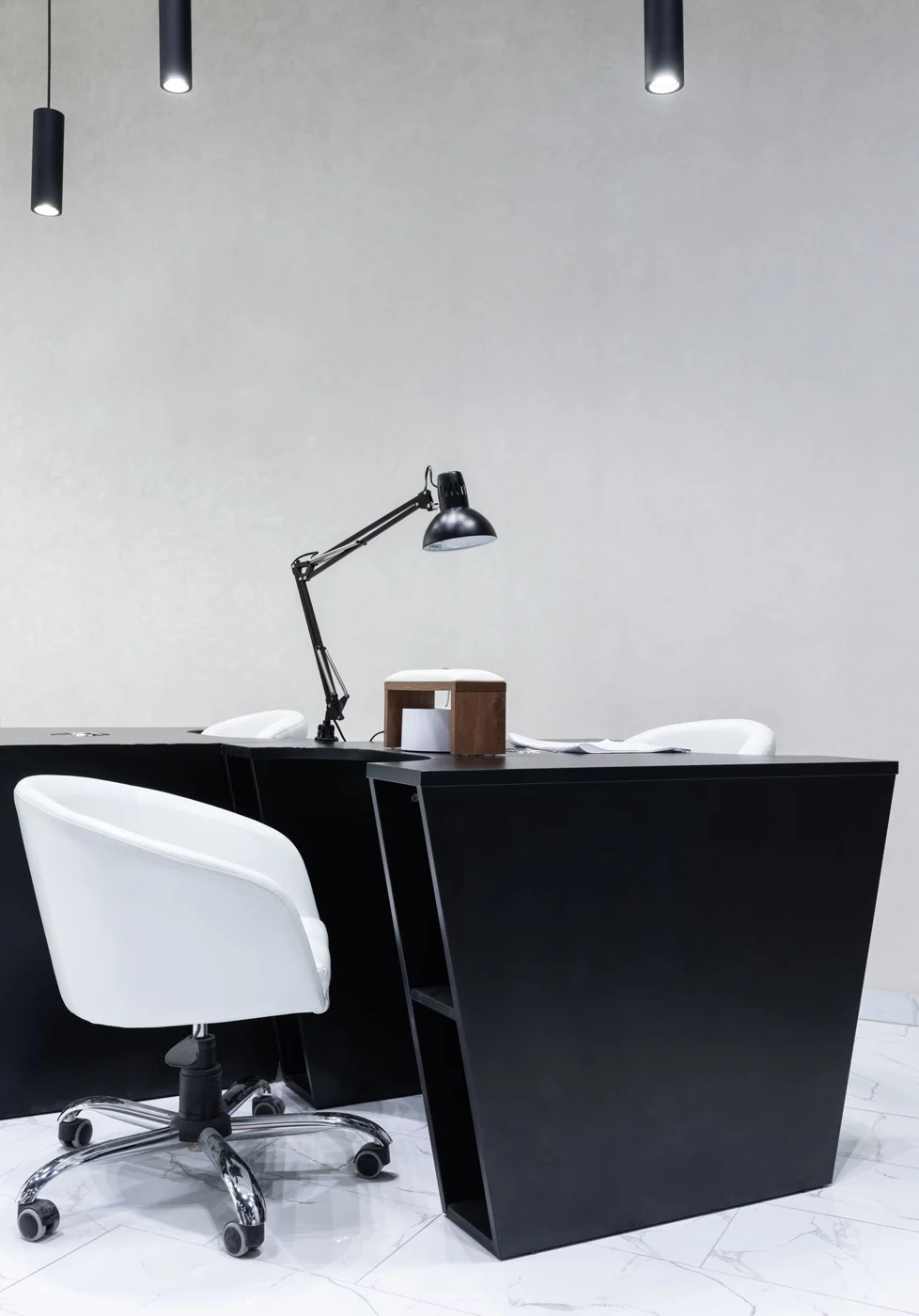
Room lighting reveals routes and surroundings. Task lighting supports a particular surface, such as a sheet of paper or craft work. With only a desk lamp in an otherwise dark room, the difference between task and surroundings can become pronounced. Do not try to solve both functions simply by making the local lamp progressively brighter.
Switch on the normal room lights first and identify what is still missing on the desk. Add illumination specifically there. Perhaps only a side area for papers needs support while the display is already clear. The lamp head need not point automatically at the centre of the whole table if that is not where the activity happens.
Assess them together from the seat
Sit down and examine the sources separately and together. Watch for exposed bulbs and reflections. A room fitting may appear in the display even when the task lamp is well aimed. Conversely, the local lamp can create a bright patch on a glossy desktop.
Consider colours too. Different light colours are not automatically wrong, but can become conspicuous on the same white surface. If that bothers you, compare suitable bulbs at similar brightness. Kelvin describes colour appearance rather than the quantity of light. Decide from the actual combination and required functions rather than treating one number as a complete specification.
Make the after-work change easy
The lights should be controlled so the work area can switch off while the room remains usable. A shared switch may make this unnecessarily awkward. Check the existing options before buying additional control technology. An accessible switch on the lamp itself may already provide the separation needed.
If others share the room, inspect the effect from their places. A focused workstation should not leave someone opposite looking into an open shade. Trial an ordinary evening with work and another activity happening together. The useful combination follows those situations, not the greatest possible number of lamps or preset lighting programmes. Keep the controls understandable enough that everyone can recreate the arrangement without instructions.