Observe before leaving
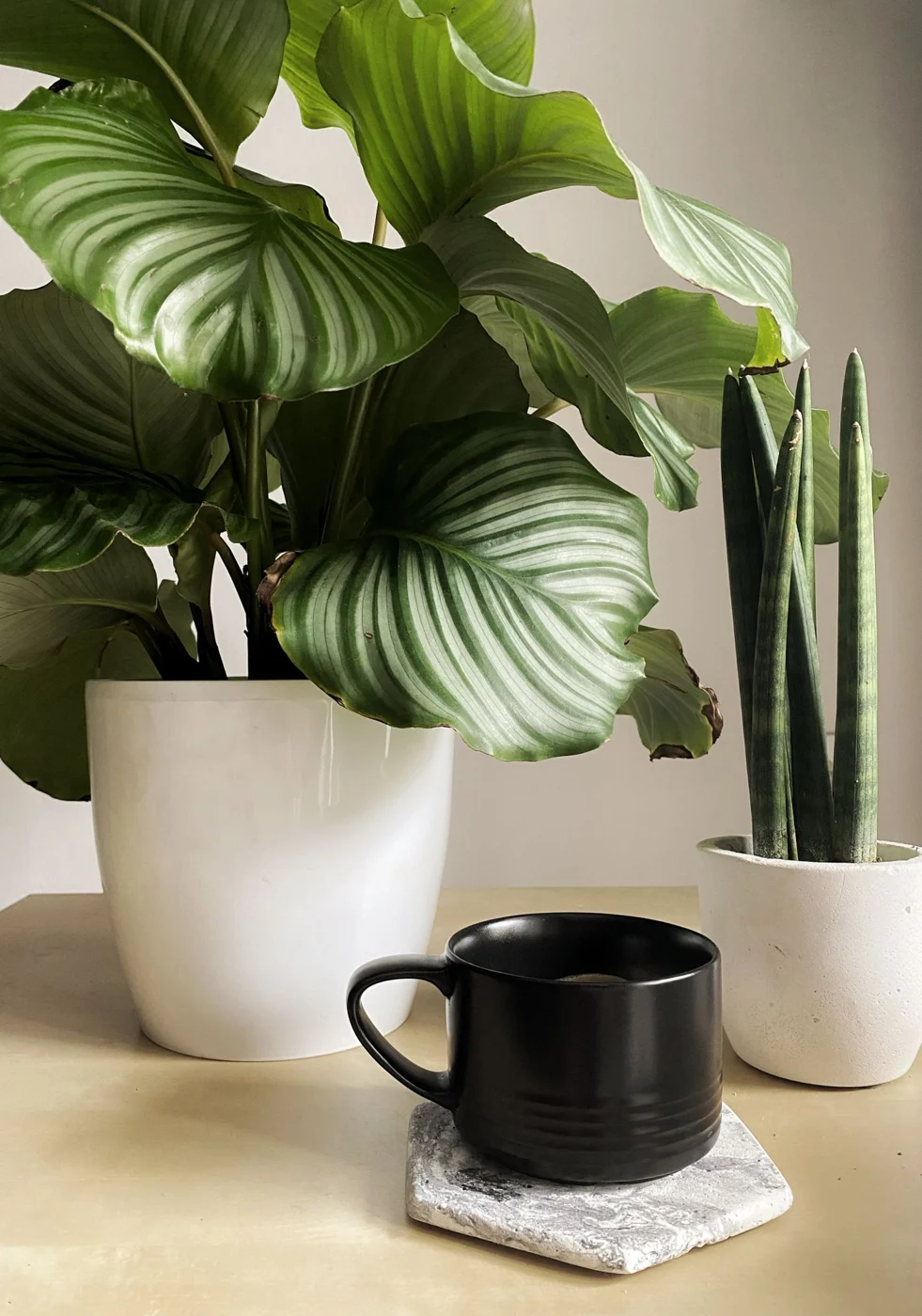
In the days before departure, notice which pots dry first and which remain moist longer. Position, container, plant size and weather change demand. Record the differences instead of preparing the same quantity of water for every plant. A short absence in a cool room differs from several hot days beside a sunny window.
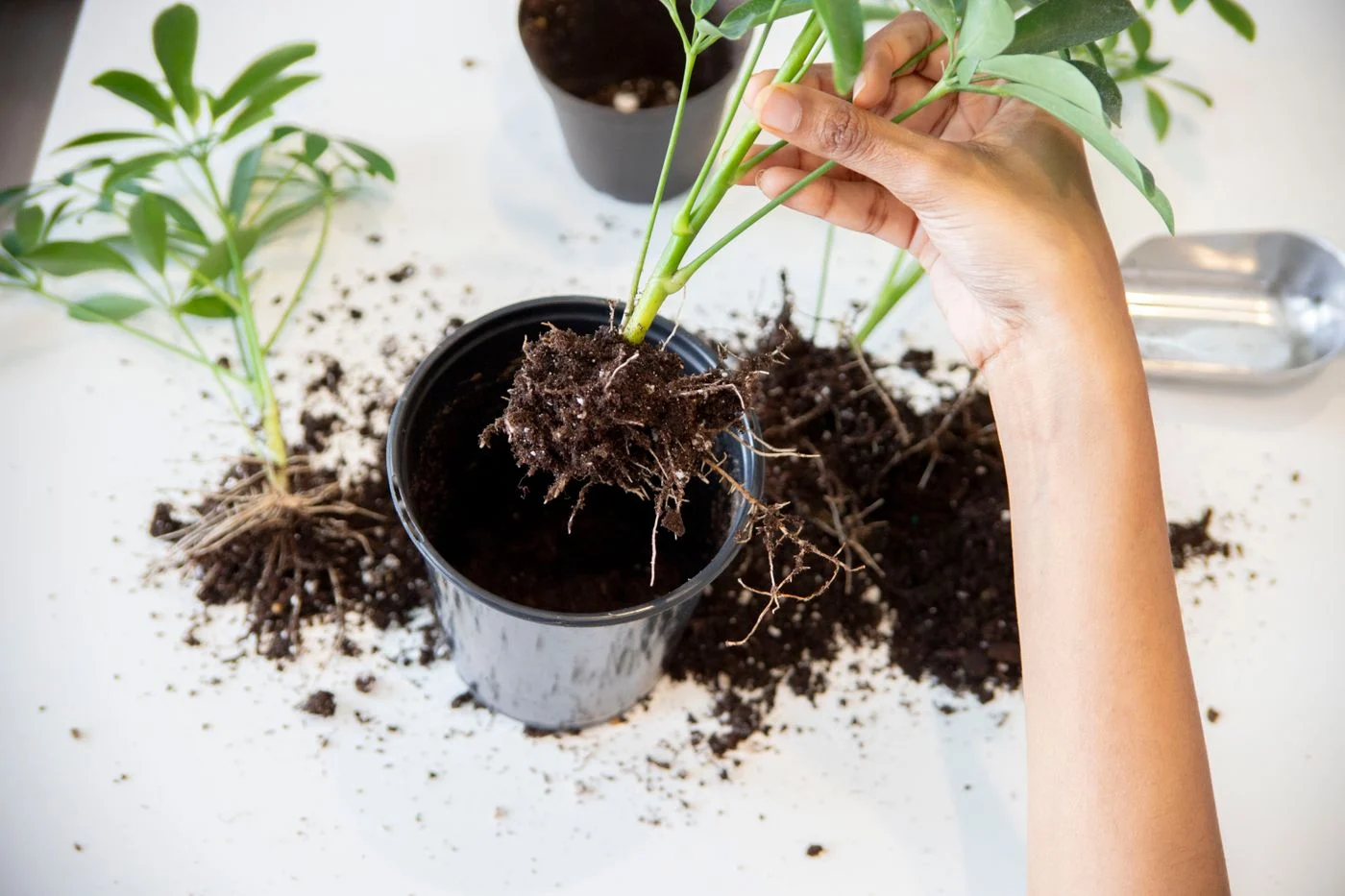
Remove dead plant material and inspect the containers. Resolve standing water in an outer pot or a blocked drainage hole before leaving. Avoid making several major changes whose effects you will not be present to observe. A new watering system needs a trial while you are still at home.
Brief the person helping
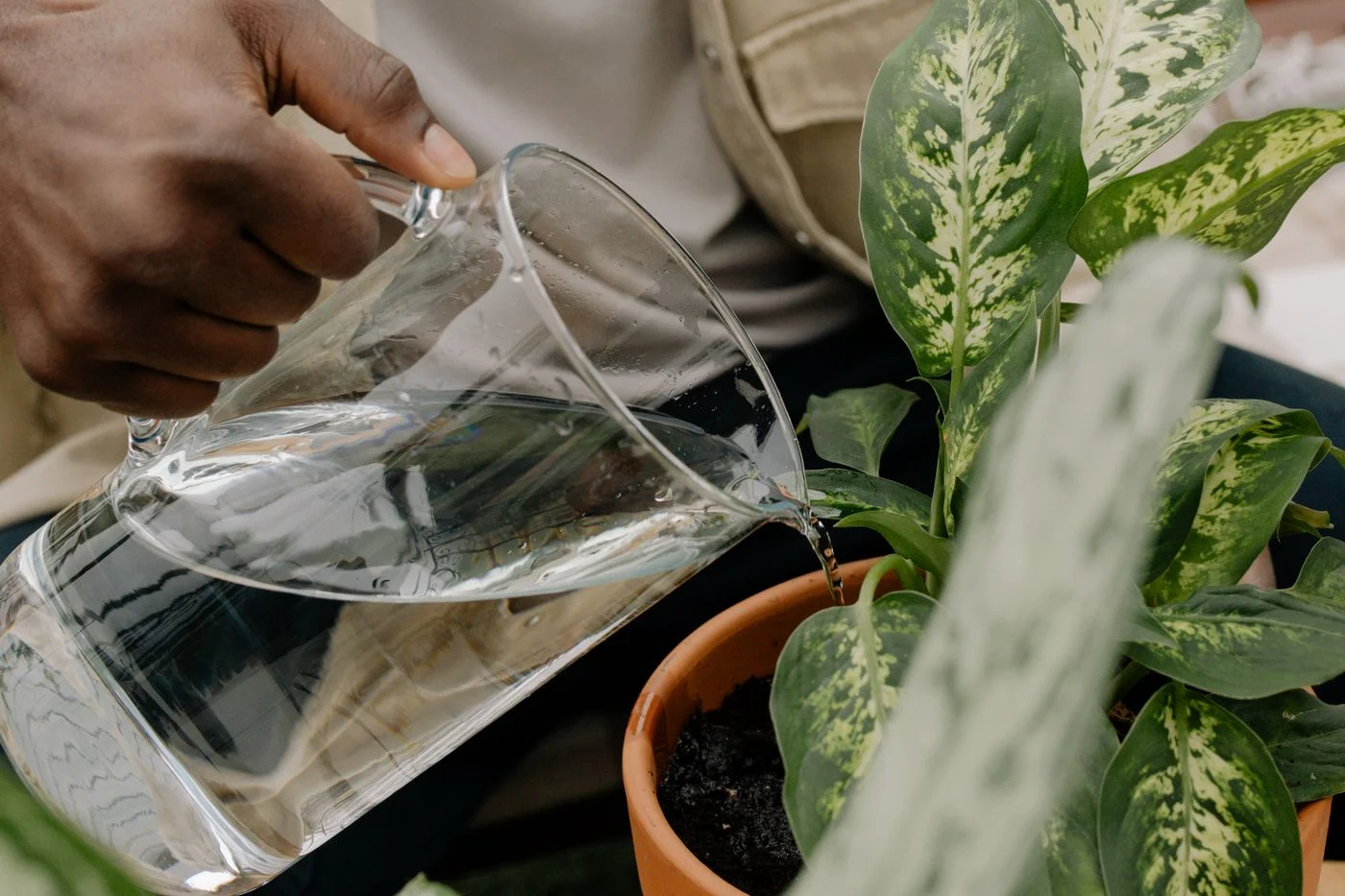
If somebody will water, arrange the plants clearly where possible and leave brief, specific guidance. Rather than writing “a little water”, explain what to check before watering and how to remove excess water. Demonstrate with the actual pots. A photograph can help when similar-looking plants need different care.
Leave the appropriate watering can ready and provide a contact for questions. The helper should not have to search through unlabelled bottles for supplies. Agree who will visit on which days so plants are neither watered twice nor missed because each person assumes the other has already been.
A handover without guesswork
Photograph the group and add short identifiers such as “large pot by the shelf” or “small pot at the kitchen window”. On the accompanying sheet, note the last watering and what should be checked before watering again. A label on the outer container alone is insufficient if several inner pots look alike or become mixed up at the sink. Match the saucers as well. The helper should be able to return each pot to its intended position.
Walk through a visit together. Can the person actually lift the heavy container? Can excess water be removed without spilling over the windowsill? If not, change the procedure before departure. A large container might stay in place while water is managed through a suitable collection arrangement, but that arrangement must fit the particular pot. Do not leave behind an improvised setup that will only receive its first trial while you are away.
Agree what happens when something is unclear. A photograph of the pot and a question are more useful than precautionary watering at every visit. Record completed care on a sheet or in a shared message. A second helper can then see whether somebody has just watered. If the weather changes substantially, you can discuss the affected plants instead of applying a new rigid schedule to the entire collection.
Trial any equipment
Wicks, watering cones and reservoirs depend on their setup. Height, material, container size and compost affect performance. Follow the product instructions and observe over several days whether the supply suits the plant. A full reservoir does not prove that the correct amount reaches the roots. Protect the supporting surface against accidental leakage.
Some systems are better suited to a long-term growing arrangement than a last-minute holiday measure. Do not stand a plant deeply in water as a precaution if its species cannot tolerate that. A dark storage room is not a general solution to high water demand either. Continue to account for light requirements when moving plants.
Inspect on return
Check each plant individually before reverting to your old watering routine. Remove inappropriate standing water and assess the growing medium. Record what worked and which pots will need different arrangements next time. These observations produce a dependable solution for your own collection rather than a blanket rule for every future trip. Keep the helper's notes too: they may have noticed a difficult-to-reach pot or a container that was hard to drain.