Select documents while unpacking
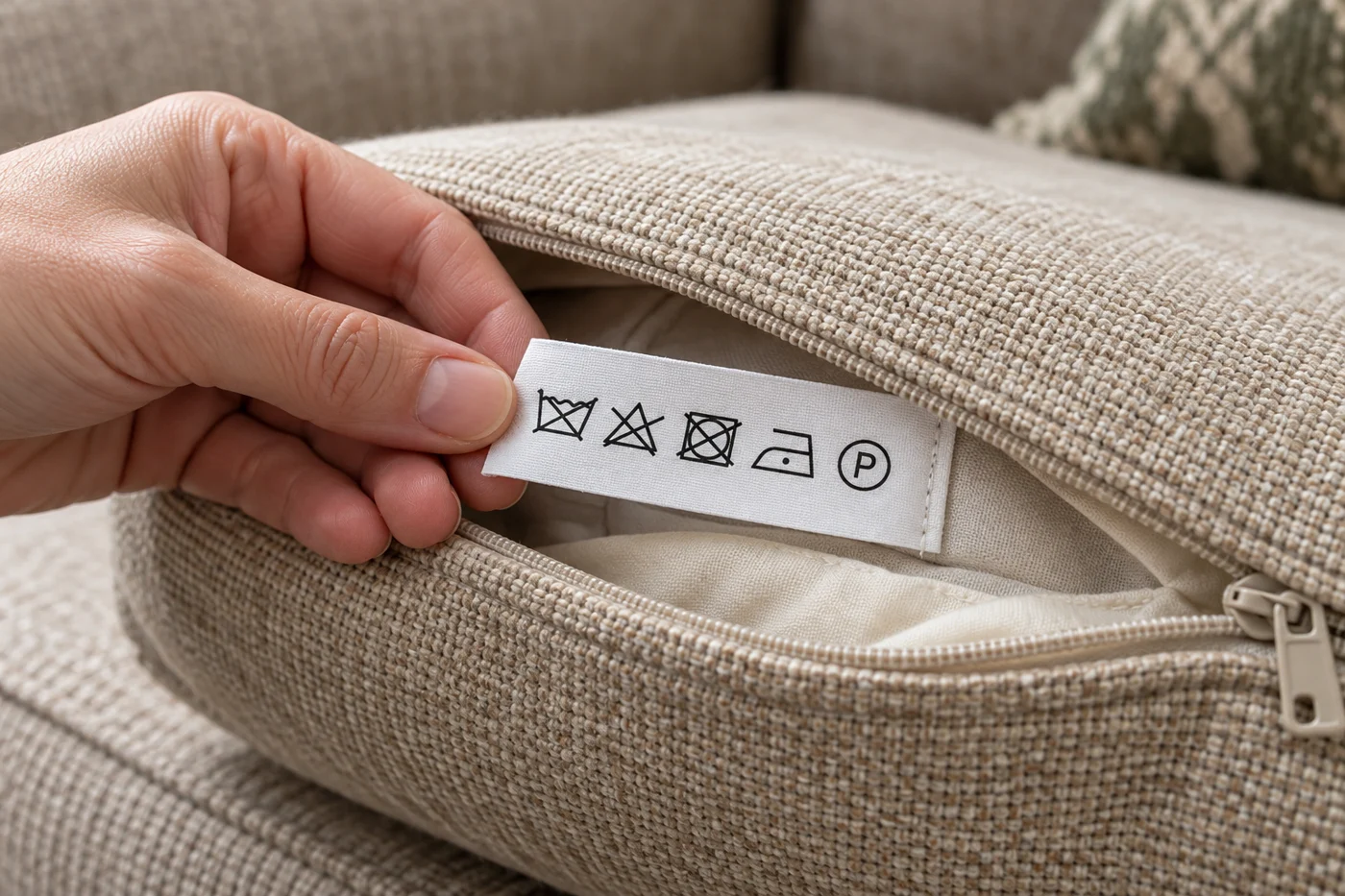
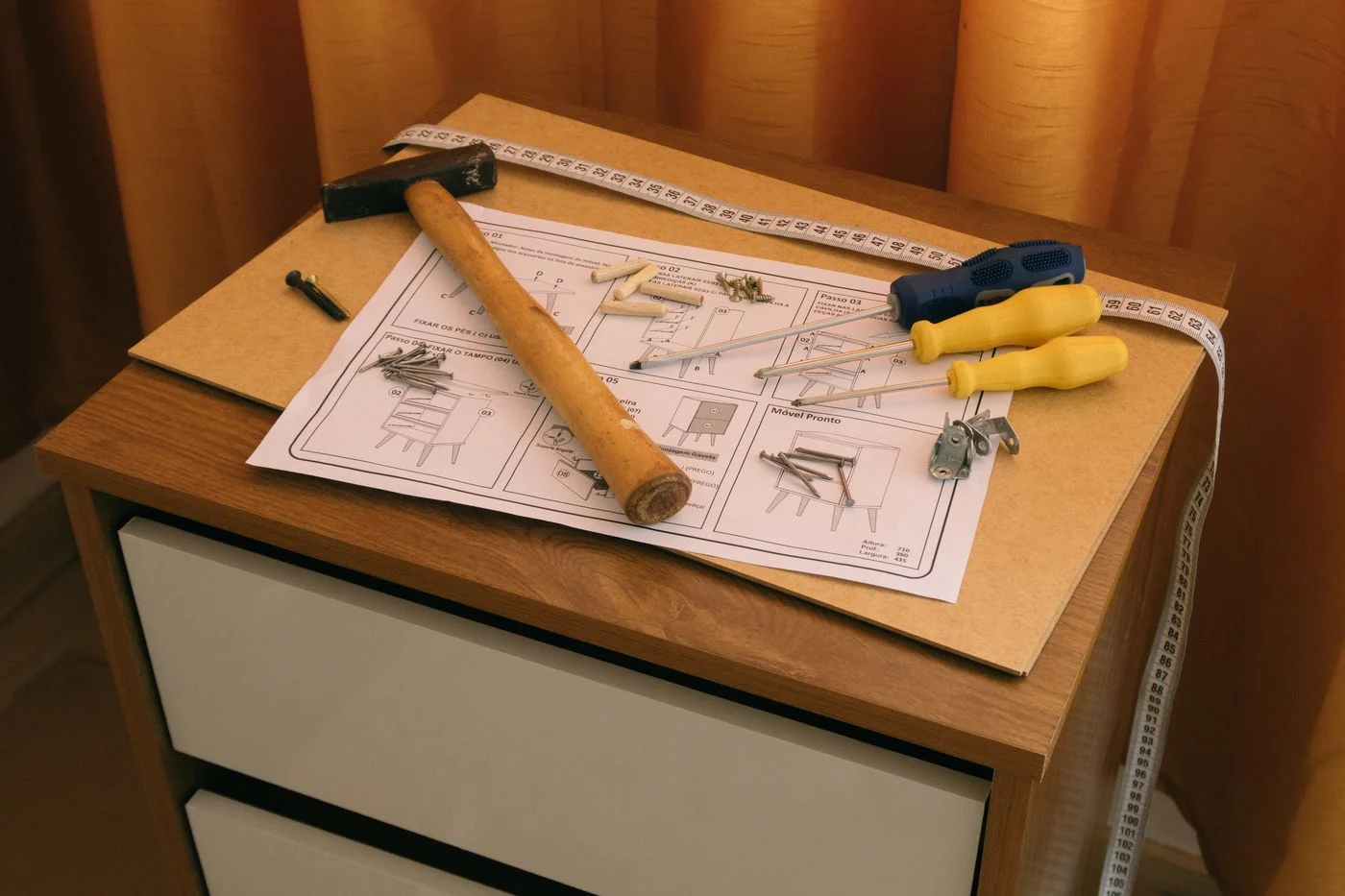
Set assembly instructions, care sheets and product labels aside from packaging. Identify the details that specify the furniture: model, article number, version and any production series. Upholstered furniture also needs its fabric variant; wood furniture needs its finish. A photograph of the completed piece complements these details but does not replace them.
Many documents cover several versions. Mark yours on a copy or in a note without hiding other information. If instructions are available only through a QR code, open it and save the matching document where provided. A photograph of the code alone is less helpful if the destination changes or a connection is unavailable later.
File by furniture rather than paper type
A folder named “Living room – dining table” can be easier to use than separate collections of invoices, photographs and care sheets that lose their connection. Paper or digital storage can work. The important part is finding the needed information without a long search. Name digital files for the piece and version rather than retaining only a generic download title.
Protect sensitive purchase records appropriately. Everyday care may require only copies of relevant pages without personal payment details. If several people clean the furniture, care information should be accessible without sharing every purchase document. A short summary can point to the complete instructions but should not shorten away or alter their restrictions.
Record changes
Note later treatments and repairs with dates. An originally oiled table may have received another finish; a sofa may have a replacement cover. The original instructions alone may then no longer describe its current condition. Add new product information and identify the version now applicable. Do not hastily discard the earlier history, which may help a specialist assessment.
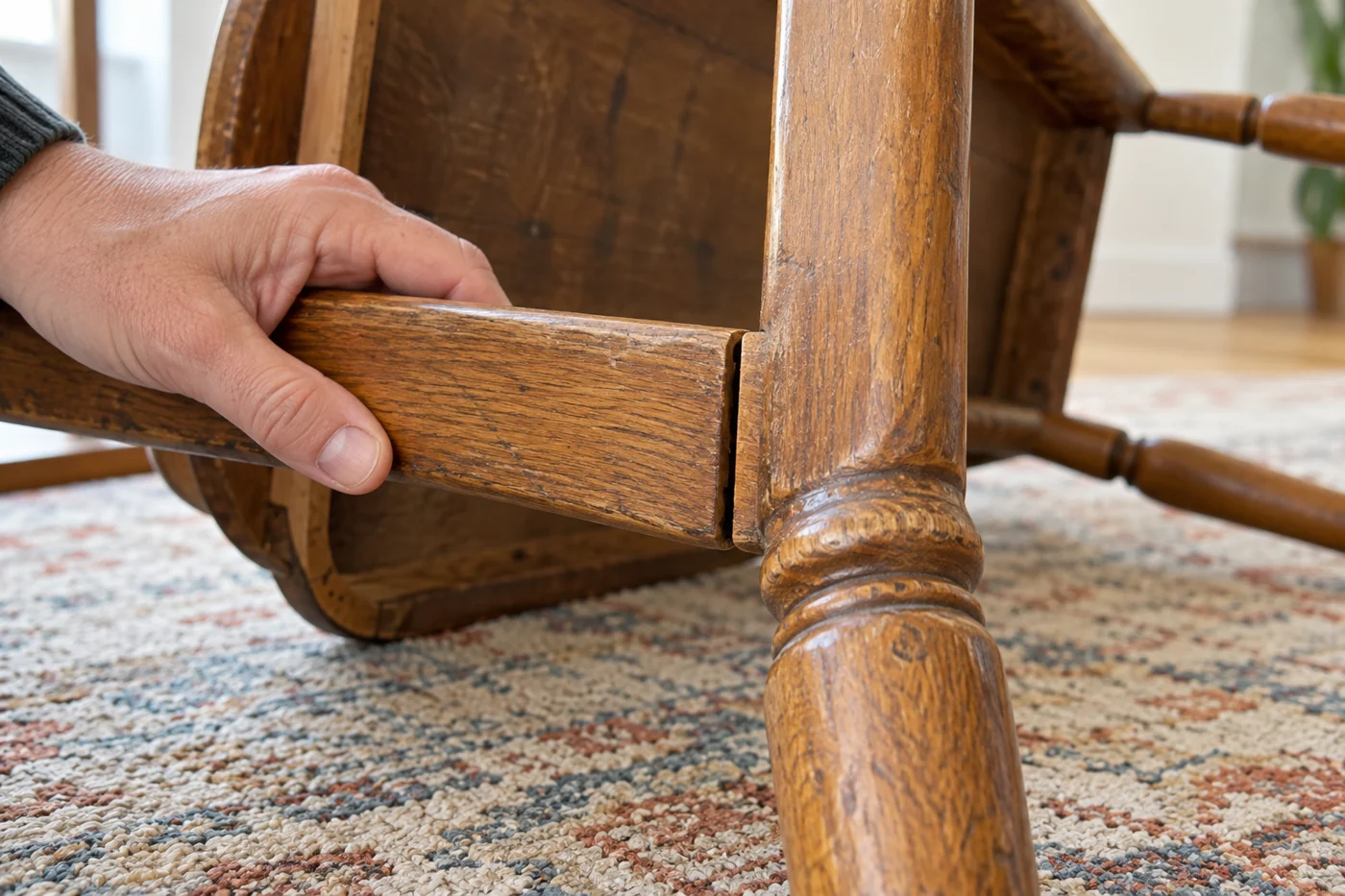
For replacement parts, record the number, location and supplier. Before-and-after photographs make identification easier. Keep spare components in a labelled bag assigned to the furniture where retention is appropriate. Loose screws without an origin are rarely helpful later. Preserve any instruction stating that a component must not be reused.
A record that follows changes
For example, you buy a table with a particular surface treatment and later have it refinished. Keep the receipt and original instructions, but place a dated note describing the current finish at the top, alongside the refinisher’s documentation. Mark the old instructions as belonging to the earlier version. The next person cleaning the table will not have to guess which of two sets of information still applies.
A sofa may need the same update after its covers are replaced. Keep the frame’s model information and the new cover’s article details distinct, but link them in the same furniture folder. A photograph of the current label helps establish the connection. Do not fill missing details from uncertain memory: leave an unresolved question clearly marked until it can be answered. The value of the collection is not the number of files it contains, but how readily someone can find the information that matches the furniture as it is now.
Make documents accessible during a move
Before moving, keep dismantling and assembly guidance somewhere reachable during packing. A folder inside an already sealed cabinet does not help with dismantling. Photograph the existing arrangement when that clarifies parts, and keep relevant instructions with fittings. After assembly, check that required attachments and care conditions still apply at the new position.
Prepare for transfer
When selling or giving the piece away, include the relevant instructions and known treatment history. Remove personal data from copies without losing product information. Distinguish what is known from what remains uncertain. The next owner then need not guess from appearance how the finish should be cared for or the furniture assembled. An orderly record supports continued use better than an incomplete pile of unrelated brochures. Keep a final copy if you may need to answer a question about the transfer, while avoiding unnecessary retention of another person's details.