Decide what can stay until tomorrow
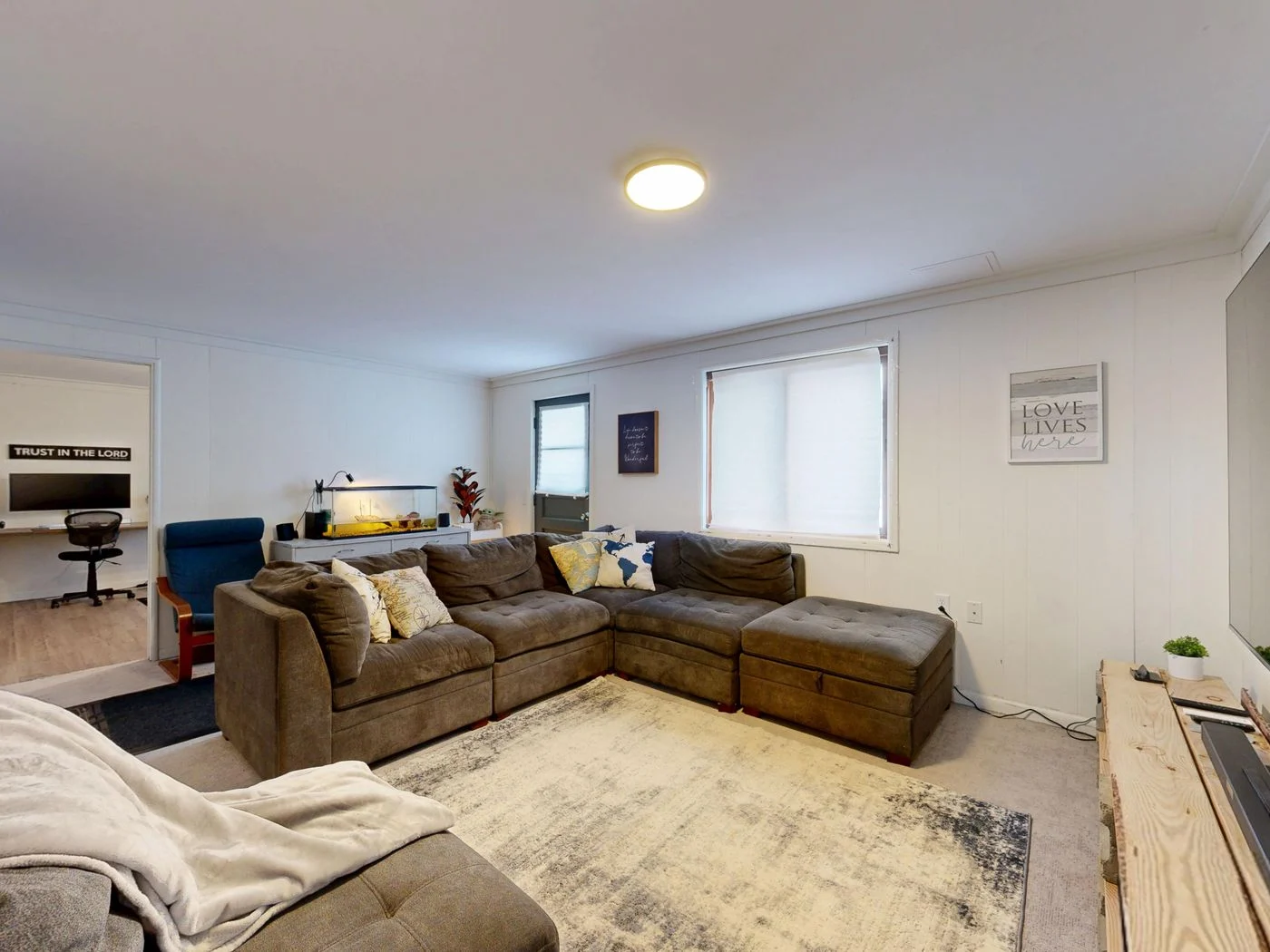
A workspace does not have to vanish every evening. What matters is how the surface will be used next. A dedicated desk can keep its monitor and keyboard in place. A dining table needs room for plates and glasses again. Start by identifying what should be ready in the morning and what is obstructing the room this evening.
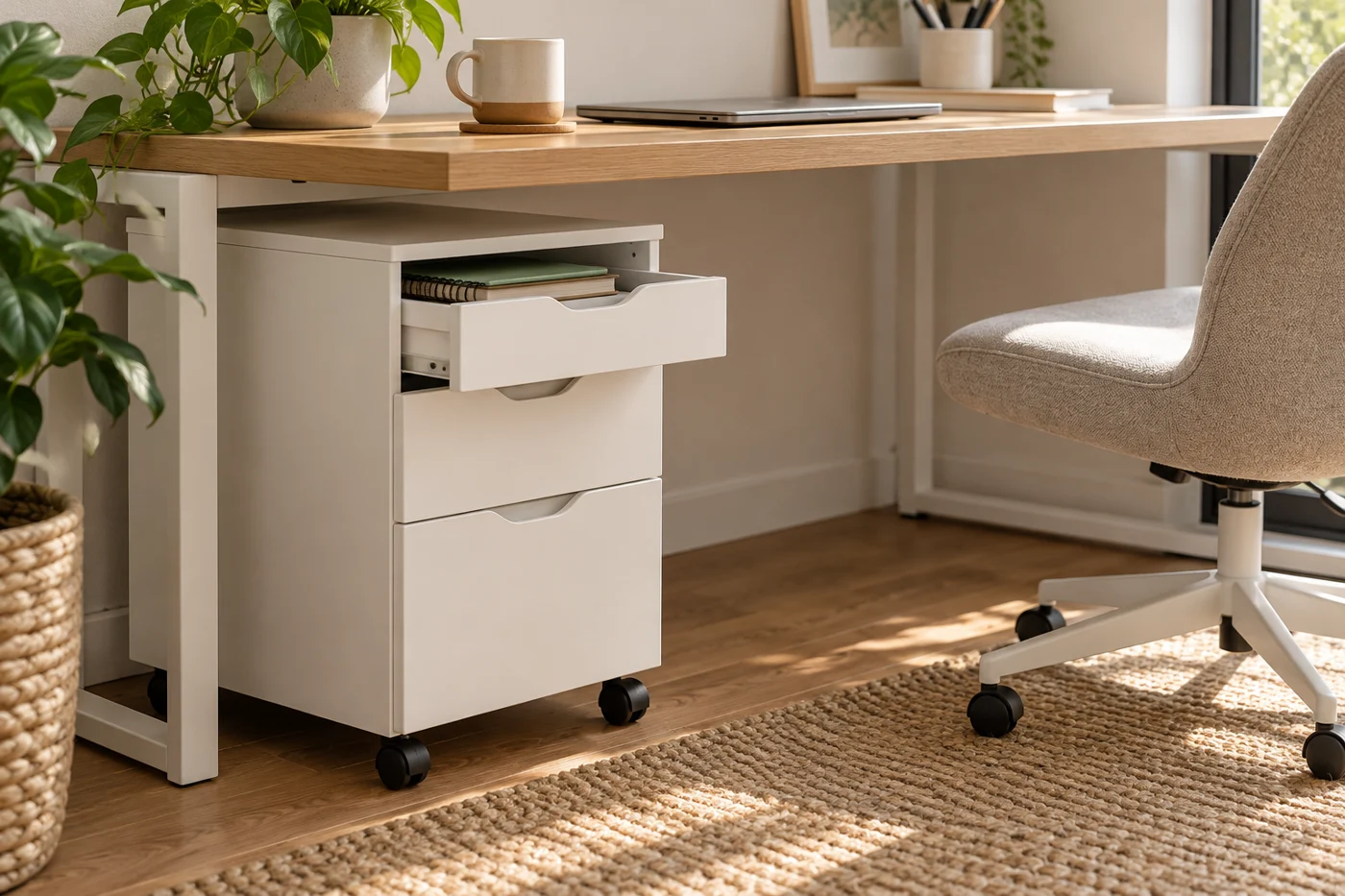
Separate active papers from spare supplies. The document needed for the next task belongs in an accessible folder; unopened stationery can remain in a cupboard. Putting everything into one box does not create a useful system. Without this distinction, the next working day begins with a search and tidying becomes more laborious than necessary.
Choose storage that can make the journey
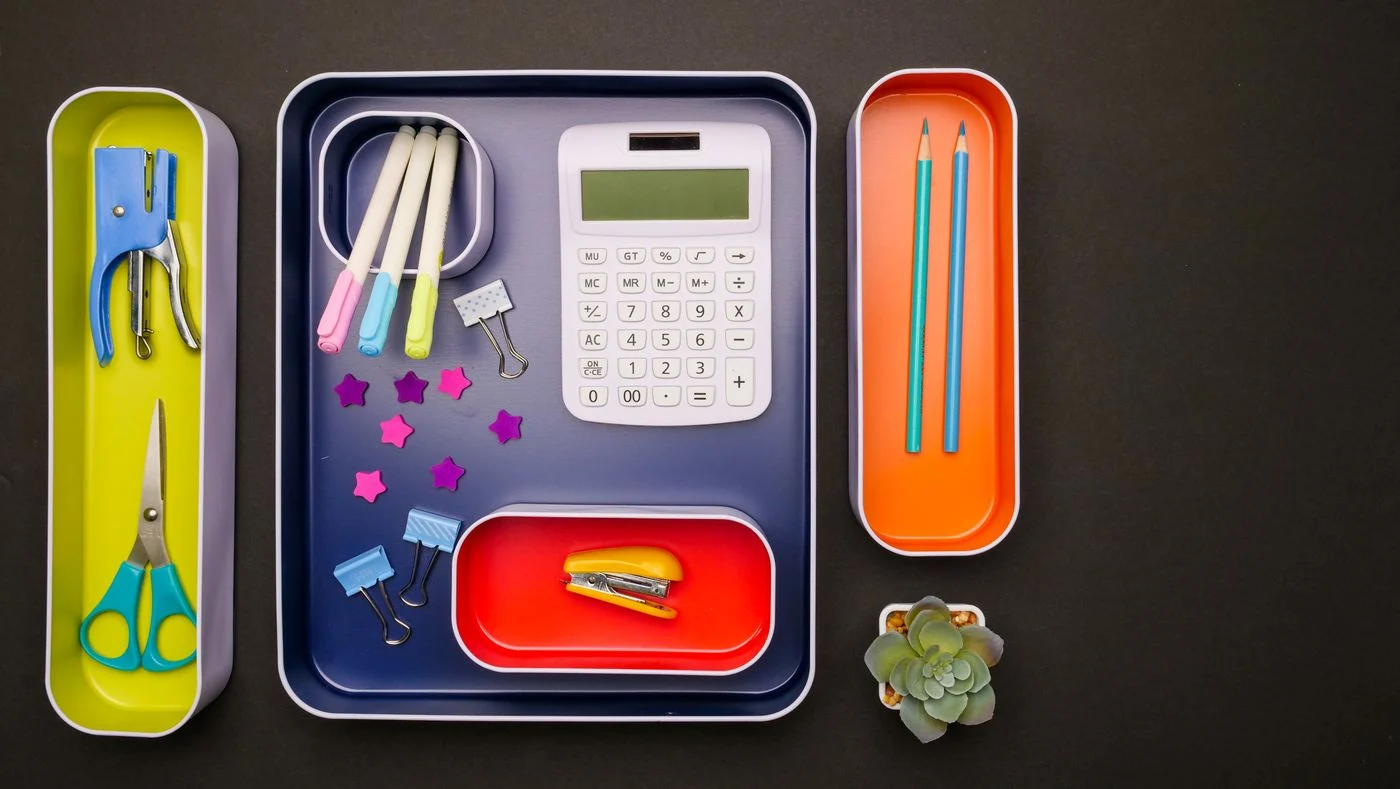
A shallow tray can carry a notebook, pens and a small folder together. Try your actual belongings on it before buying. Does it fit the intended shelf, can you grip it comfortably, and is it still easy to carry when full? A deep container holds more but can conceal small items and encourage an unsorted pile.
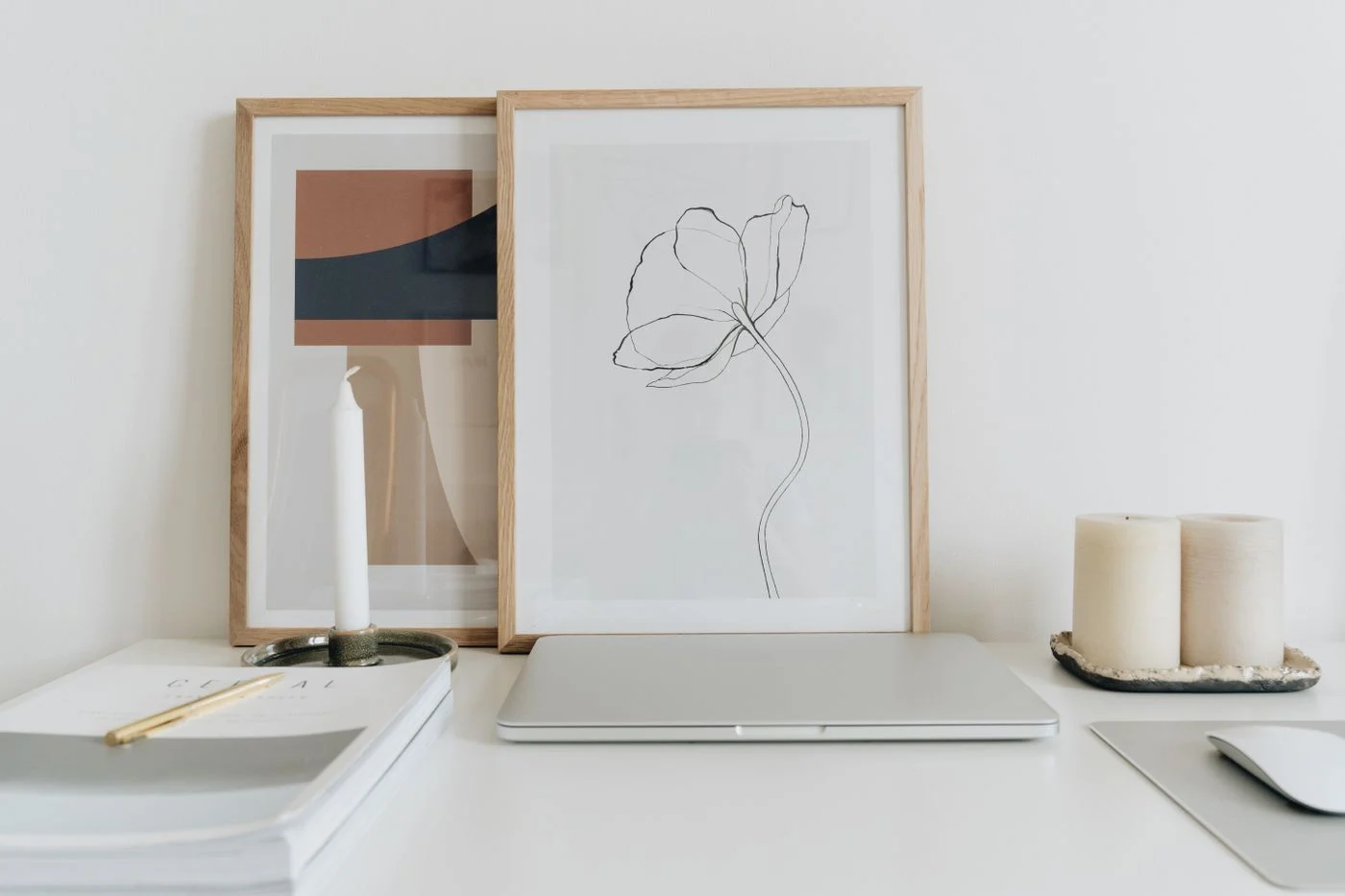
A laptop needs a suitable, stable storage position rather than a decorative arrangement. Do not wedge it among loose objects that can press against the casing. Follow the manufacturer's instructions about cooling and storage. Cables should be put away without pulling on connectors or ports. A permanent charging position may reduce daily reconnecting, provided it does not restrict the device's ventilation.
Prepare the next beginning
Before closing the computer, write down the next specific action. “Review documents” may be too vague; “add the two missing figures to the table” gives you a clearer point of return. Keep this note with the active papers rather than among household shopping lists. Confidential documents need an appropriate protected storage place, especially in a room used by other people.
Then put things away in a consistent order: collect the papers, gather the writing materials, finish with devices according to their instructions and release the surface needed for home life. The sequence should suit your setup. If one object blocks several others every evening, change where it lives rather than repeating the same awkward movement.
Mark the end without rebuilding the room
The change can be small: switch off the task light, return the chair and prepare the table for its next use. In a living room with a permanent desk, a closed folder may be enough without a large screen around the furniture. After several days, look at the things that still remain outside the system. They may lack an accessible home, or they may still be needed.
Adjust the arrangement accordingly. A container closer to the table can achieve more than another cupboard at the opposite end of the home. The aim is a surface you can reliably use in the evening and an orderly starting point in the morning, rather than a desk that looks completely empty in every photograph.