Look from the seat
Sit in the intended chair and identify where overlooking occurs. A neighbouring window above the balcony calls for a different approach from a seating area directly beside it. Hold a piece of cardboard temporarily in the relevant position without attaching it outside. This can define the affected area more accurately than looking from the apartment doorway.
Repeat the exercise standing up and with the balcony door open. A screen that feels comfortable while seated may restrict access to the railing or make cleaning difficult. Decide which use has priority. Completely enclosing a balcony may remove more daylight and outlook than the privacy problem requires.
Narrow down the unwanted view
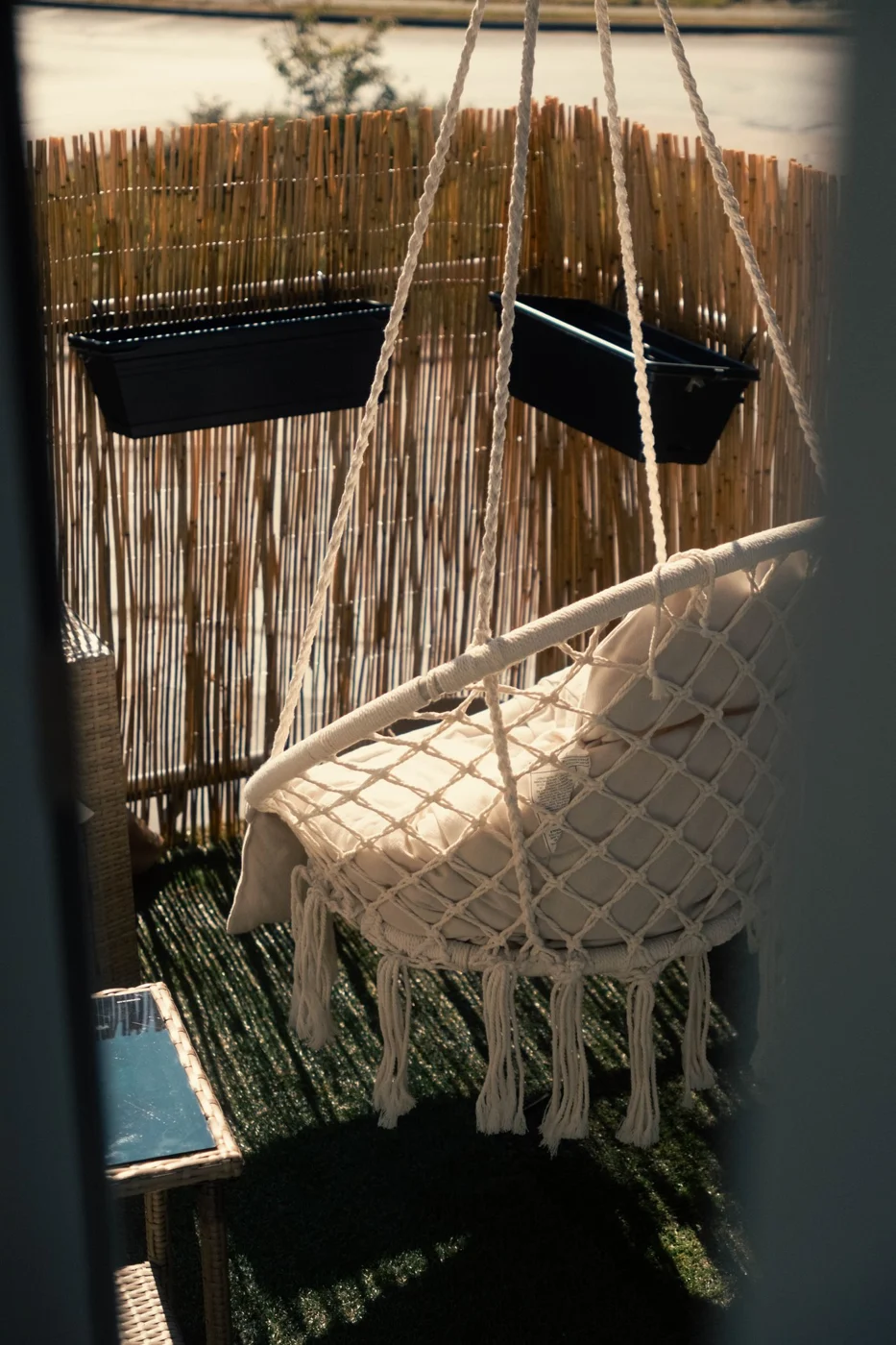
If the unwanted view comes from the side at the same level, a limited side panel near the seat may be enough. If it comes from a higher window, that same panel might hide only the railing. Sketch the direction of the view and try changing the chair position first. Turning a chair can reveal that you need a side boundary rather than a high enclosure all around. This is a comparison of your own arrangement, not a universal recommendation for a particular screen height.
Have another household member sit on the balcony during the trial. From inside the apartment, check whether the proposed panel darkens the room noticeably or obscures access to the chair. Photograph the temporary arrangement from the usual seat and from indoors. The two views make the exchange between privacy and daylight easier to judge.
Compare products by usable width, transparent sections and the floor area needed for their bases. A broad product photograph tells you little about how much balcony space the feet will occupy. Mark that footprint as well. If the chair becomes accessible only by squeezing sideways, change the arrangement before ordering materials.
Attachment is part of the choice
Check which alterations are allowed before buying. Construction, tenancy arrangements and building management requirements can limit the options. A screen's size also changes the area exposed to wind. Fixings must suit the particular system and supporting structure; an arbitrary piece of string is not a replacement for a specified bracket.
Choose the material and attachment system together using the supplier's instructions. Obtain a competent assessment if the mounting method is unclear. Do not drill speculatively into railings, façades or waterproofing. Freestanding elements also need a suitable base and must not become obstacles in the narrow space. Keep installation and weather guidance rather than discarding it with the packaging.
Light, air and plants
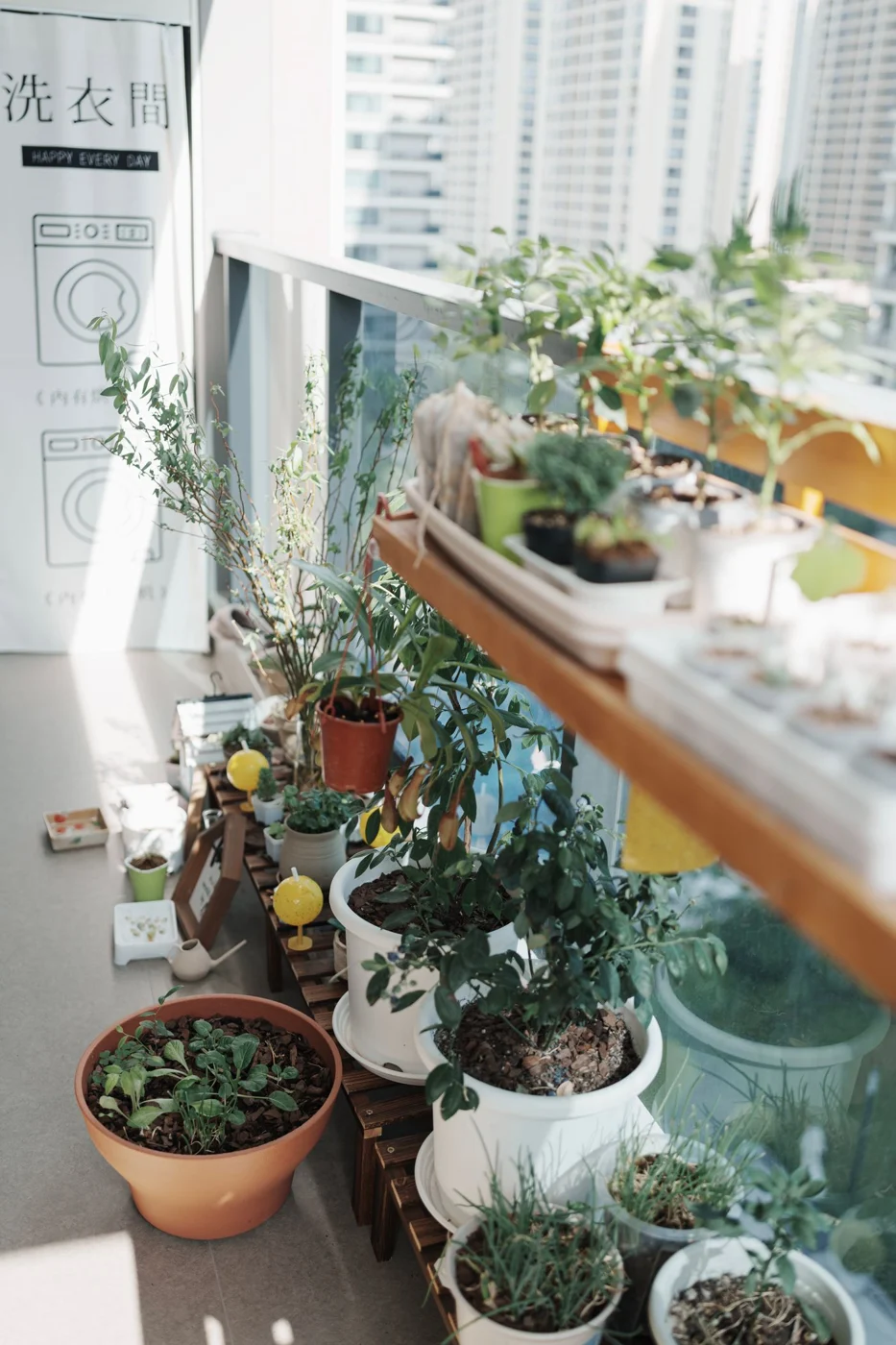
Observe the shade a screen would cast on existing plants. A previously bright corner may become much darker. Plants can themselves provide loose screening, but they need suitable growing conditions and adequate container space. Do not expect a small new specimen to create a solid barrier immediately.
Avoid placing pots so that only the front plant remains accessible for watering. A movable container may help if its weight, stability and the floor permit it. Do not add heavy pots merely to weigh down an otherwise unstable divider.
Check the everyday arrangement
After installation, inspect access and moving parts. Can the door open fully, can you reach drainage points, and can the screen be secured or removed in adverse weather as its instructions require? Check attachments regularly for visible changes. A small, carefully positioned screen can leave more usable space on some balconies than a continuous covering around every side.