Find the quieter edge
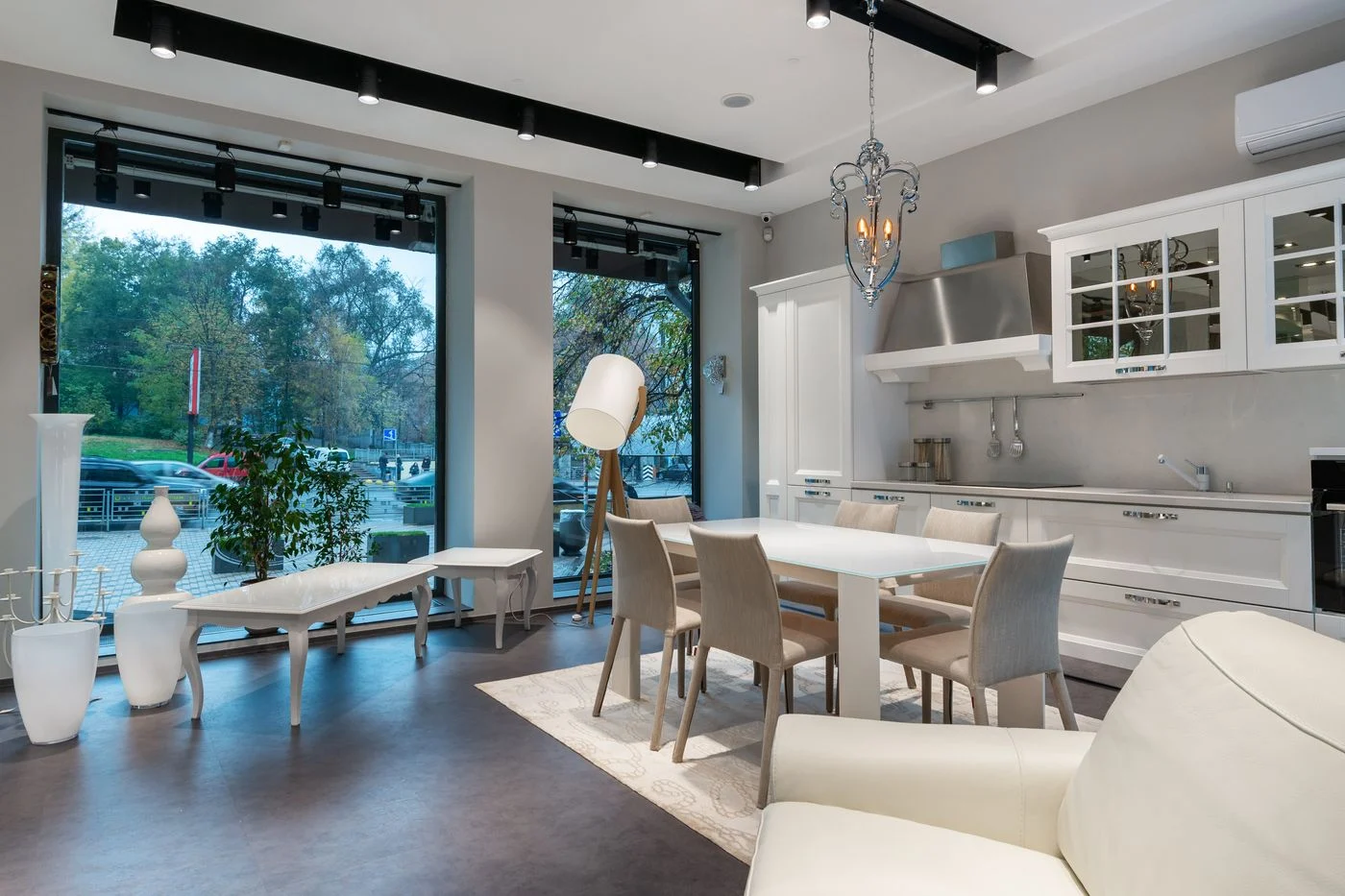
Notice where most movement occurs. A position directly between the door and sofa remains a passage even behind a plant. A place beside the main routes is usually easier to use. Check that it still has light, a surface and comfortable access.
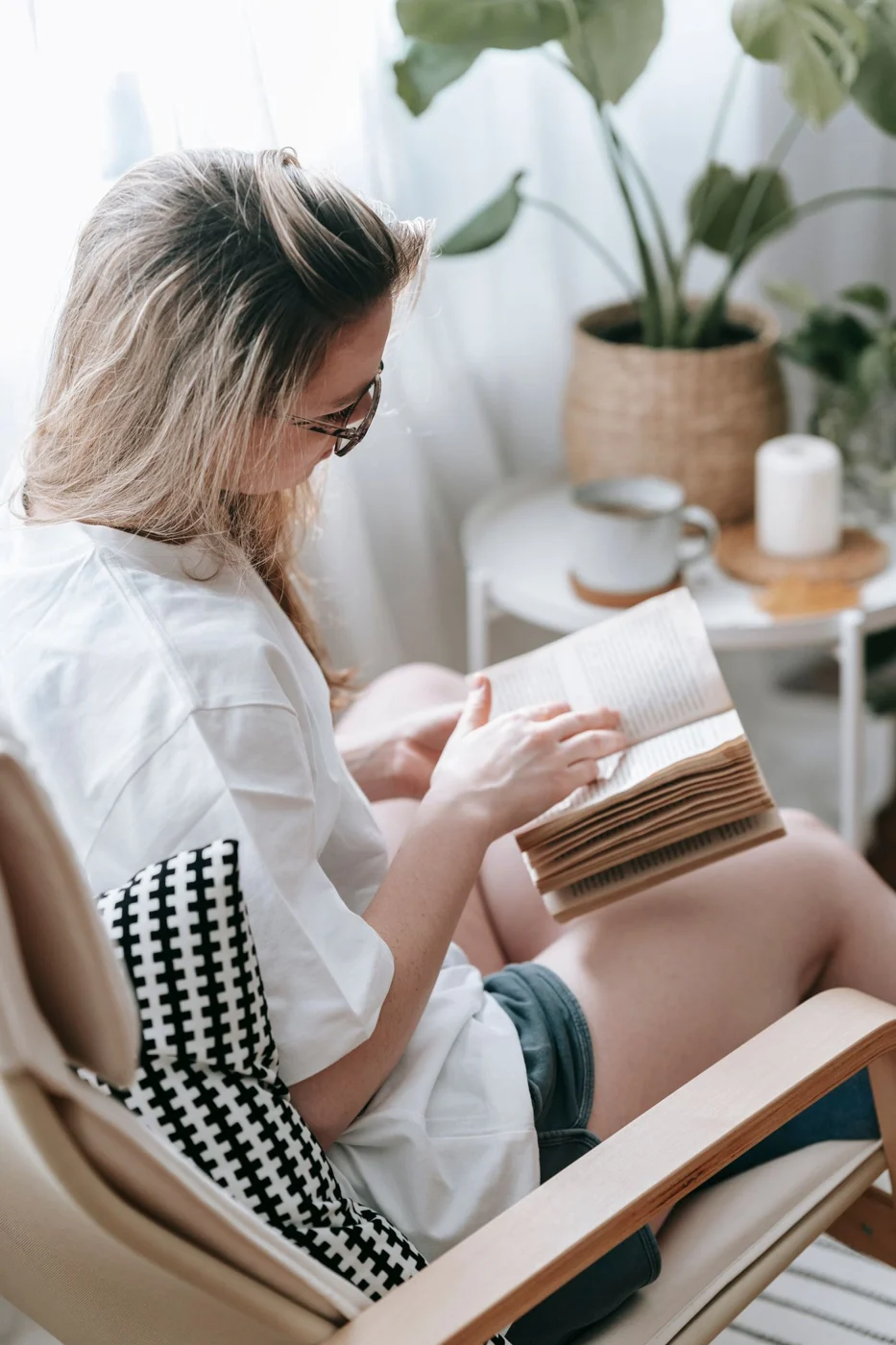
Facing a different direction can help someone focus on their own activity. An armchair towards a side wall or window creates a different point of attention from a seat directly opposite the television. It need not turn its occupant away from every conversation. A modest angle may support both uses.
Visual screening is not sound separation
Open shelves, curtains or a group of plants can interrupt a view. They do not automatically make a television or conversation quiet. Do not expect a lightweight divider to create acoustically separate rooms. Its effect depends on the material and the surrounding space.
If noise is the underlying issue, discuss timing and volume. Headphones may suit some activities, depending on the users' needs. An agreed quiet half-hour may help more than another large piece of furniture that only blocks the view.
Keep the equipment limited
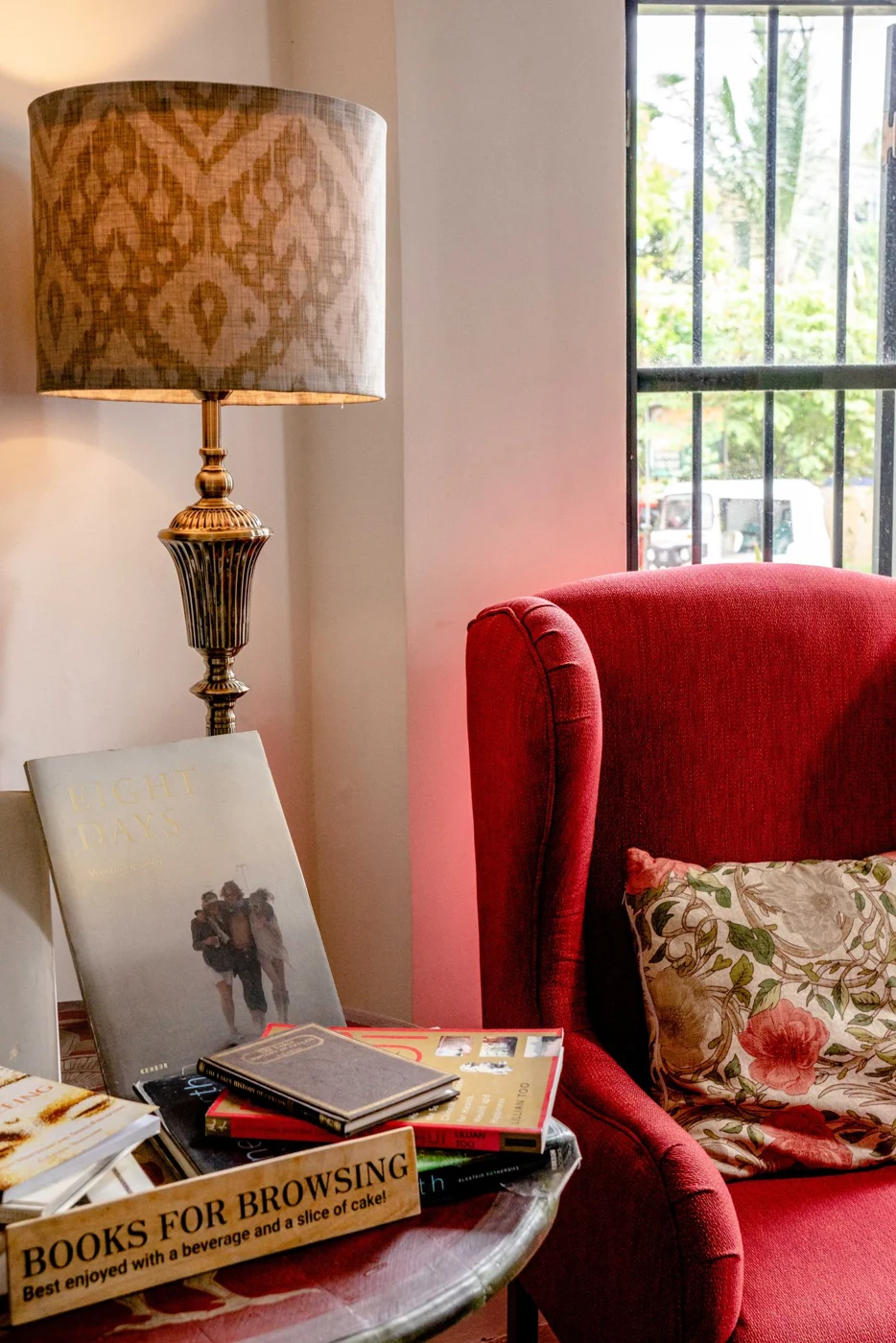
Reading, needlework or a short break may need only a seat, lamp and small surface. Every extra storage piece consumes space and requires upkeep. A portable basket for the current project may be more useful than a permanently full bookcase beside the chair.
Agree whether the place should always be available or shared by several people. Personal belongings can have their own container so that changing users remains simple. The surrounding common area should still be accessible to everyone.
Review the arrangement after a few days. Is the quiet place actually used, or does it collect bags and laundry? In the latter case, what is missing may be a better position or clearer agreement rather than more furniture. Small changes to viewing direction and daily habits are easier to test than a permanent partition.